
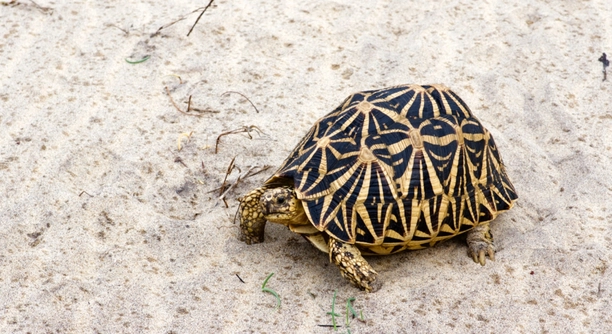
Turtles are fascinating creatures, and it’s always interesting to observe their behaviors. One action that might puzzle you is when your turtle starts climbing on everything in sight. Understanding why this happens can help you better care for your pet.
Turtles may climb on things for various reasons, including seeking out food, finding a better spot for basking, or even out of curiosity. It’s a natural behavior that can also indicate that your turtle is exploring or trying to escape its environment.
There are several factors at play, and learning more about them can help you ensure your turtle stays healthy and happy.
Seeking Better Basking Spots
Turtles are cold-blooded animals, meaning they rely on external heat sources to regulate their body temperature. When your turtle climbs, it might be searching for a better spot to bask. A warm, elevated area can provide the perfect environment for them to absorb heat, which is essential for digestion and overall health. This is why you often see them scaling objects, trying to find that perfect sunlit spot.
It’s crucial to ensure that your turtle’s habitat has appropriate basking areas with both heat and light.
If your turtle seems to be climbing often, check the temperature of their basking area. A comfortable spot should have a heat lamp with a temperature between 85 and 90°F. If your turtle doesn’t feel it’s warm enough, it may start exploring new places in search of a better spot to rest and warm up. Consistent access to proper heat is vital for their well-being. If your turtle is still climbing after you’ve adjusted their basking area, it could be a sign that they are simply more active by nature.
Exploring for Food
Sometimes, climbing is a sign that your turtle is on the hunt for food.
Turtles are naturally curious creatures, and they will climb to investigate their surroundings, especially if they detect something edible. This might include plants, insects, or even food in their habitat. By climbing, they might be trying to get closer to potential food sources they can’t reach directly. Make sure their diet is balanced and varied to keep them satisfied. If you’re unsure about the types of food your turtle enjoys, consider introducing some new items. Keep their living space clean and check for any food or treats that could be attracting them to climb.
Climbing Due to Stress or Boredom
Turtles can climb as a response to stress or boredom. If they feel trapped or unchallenged in their environment, they might start exploring the area more aggressively.
If your turtle is not getting enough mental stimulation, they may turn to climbing to relieve boredom. Turtles need enrichment, such as new objects to investigate or time outside of their enclosure. Regular interaction can also help them feel more secure and less stressed. Check for signs of distress like excessive pacing or hiding. A simple change in their environment, such as adding more hiding places or rearranging the decor, might help.
In some cases, an overly small or cramped living space may be the root cause of their climbing behavior. If a turtle feels confined, it will instinctively search for an escape route or try to climb out of the space. Consider upgrading your tank size or adding more space for your turtle to explore. A more spacious and dynamic environment can reduce stress and encourage healthy behavior, ensuring your turtle has enough room to move and thrive.
Seeking Social Interaction
Turtles are not necessarily social creatures, but they do have instincts that sometimes drive them to seek out others.
If there’s another turtle or pet nearby, your turtle might climb in an attempt to interact. This could be their way of trying to reach out and explore the space. When you add another turtle to your tank, they may become more active and attempt to climb to investigate or get closer to their potential mate. In some cases, turtles will climb to escape from potential threats or to get away from another animal they feel uncomfortable with. Adding more animals can lead to more climbing if the turtles are not properly adjusted to the new environment.
It’s also worth noting that turtles have individual personalities. Some are naturally more curious or active than others. If you notice your turtle is climbing excessively without a clear reason, it might just be their personality at play. Understanding your turtle’s behavior is key to providing a balanced and happy living environment. Consider their history, and how long they’ve been in your care, as this can also influence how they act.
Natural Exploration Instincts
Turtles are naturally curious animals. Climbing may be part of their instinct to explore and understand their environment better.
If there are objects in the tank or area that are within reach, they may climb to investigate them. This behavior is completely normal, as turtles are naturally inclined to explore new territory, especially when they’re given access to new elements. A variety of objects in their habitat can encourage this natural curiosity and help keep them engaged.
Physical Development
As turtles grow, they may develop stronger limbs and a greater ability to climb objects.
Young turtles, in particular, can become more active as they grow older, and their physical strength allows them to explore their space more. This development means they may attempt to climb higher objects or explore areas they couldn’t reach before. Providing a stable environment where they can test their new skills is important for their growth. Avoid placing objects that could be dangerous to them, like sharp edges or unstable items, as this could cause injury.
Seeking Escape Routes
Sometimes turtles climb in an attempt to escape.
If their tank is too small or they feel restricted, they may try to climb the sides of the tank. It’s essential to check if the enclosure is secure and that there are no openings. Turtles can be surprisingly good at finding ways to escape when they are determined enough. If you’ve noticed your turtle climbing more often, take a look at the structure of their tank to ensure it’s escape-proof. Adding a higher, secure lid or making sure the walls are tall enough can prevent this behavior from becoming a problem.
FAQ
Why does my turtle climb on the glass?
Turtles often climb on the glass when they’re exploring their surroundings or looking for a way out. This could be due to curiosity, boredom, or stress. If the glass is too low or there’s something they’re trying to reach, such as food or light, they might try to climb to get closer. Ensure their environment is engaging and spacious to reduce this behavior.
How can I stop my turtle from climbing?
To stop your turtle from climbing, you first need to identify the reason for the behavior. If it’s boredom, offer more enrichment like hiding spots, objects to climb on safely, or even time outside the tank. If it’s due to stress or a cramped space, consider upgrading their tank size and providing a more stable, stress-free environment.
Can my turtle hurt itself from climbing?
Yes, climbing can potentially harm your turtle, especially if they fall from a height or if there are sharp edges in their enclosure. Be mindful of the objects in your turtle’s environment and make sure everything is secure. Avoid items that could be easily knocked over or cause injury if your turtle climbs on them.
Should I be worried if my turtle climbs a lot?
Climbing is usually normal behavior, but excessive climbing can be a sign of underlying issues. If your turtle is climbing constantly, it could indicate that they are bored, stressed, or trying to escape. Assess their habitat to ensure it is comfortable, spacious, and free from stressors like overcrowding or poor tank conditions.
Do all turtles climb?
Not all turtles climb, but it’s a behavior commonly seen in active or younger turtles. Some species, like box turtles, are more likely to climb, while others, like aquatic turtles, might not engage in climbing behaviors as often. Understanding your turtle’s species and behavior will give you a better idea of what’s normal for them.
Is climbing a sign that my turtle is trying to escape?
Climbing can be a sign that your turtle is attempting to escape. If the tank is too small or feels restricted, turtles may try to climb to find a way out. Ensure your turtle has enough space to roam comfortably, and check that there are no gaps or openings in the tank.
Why does my turtle climb even after I give it a large tank?
Even with a large tank, your turtle might still climb due to stress, boredom, or an instinct to explore. Check the environment for other factors, such as temperature or lighting. Sometimes, turtles need more mental stimulation like new objects, plants, or things to interact with to keep them from climbing excessively.
Does climbing affect my turtle’s health?
If climbing leads to stress or injury, it can negatively affect your turtle’s health. Constant climbing could also be a sign that the turtle is not satisfied with its environment, which could affect its overall well-being. It’s essential to create a comfortable, enriching habitat for your turtle to avoid these issues.
How can I tell if my turtle is climbing out of stress or curiosity?
If your turtle climbs when there is nothing specific it’s trying to reach (such as food or light), it’s likely acting out of curiosity. If it seems agitated or constantly searching for a way out, stress could be the cause. Observe their behavior and adjust their tank setup to see if it makes a difference.
Can I add more turtles to reduce climbing?
Adding more turtles might reduce climbing if the behavior is due to loneliness or lack of social interaction. However, it’s essential to monitor how the turtles interact, as they can sometimes be territorial or aggressive. If you’re considering adding more turtles, ensure your tank is large enough and that each turtle has enough space to avoid conflict.
Final Thoughts
Turtles climbing on everything can seem puzzling at first, but it’s usually a natural behavior driven by curiosity, the search for food, or the need to find a better spot for basking. As reptiles, turtles are instinctively curious creatures, and climbing allows them to explore their environment and find new places to rest or bask in the warmth. If you notice your turtle frequently climbing, it’s important to consider whether their living conditions are suitable and if they have enough space to feel comfortable. A well-sized tank with enough room to move around and objects to interact with can reduce the need for climbing as a way to explore.
However, climbing can also be a sign of stress or boredom. If your turtle feels confined or lacks stimulation, they might climb more often. This is why providing enrichment and ensuring they have a comfortable and safe environment is essential. Regularly checking the temperature, light, and humidity levels in their tank will help ensure that their needs are met. Adding objects such as rocks, logs, or plants can make their environment more engaging and encourage natural behaviors. Turtles thrive when they have opportunities to explore, hide, and bask in different areas of their habitat.
Lastly, while climbing is generally normal for turtles, it’s important to monitor your pet closely to make sure the behavior doesn’t become a sign of discomfort or stress. If climbing becomes excessive, or if your turtle seems to be trying to escape, it may be a good idea to reassess their living situation. Providing a spacious, secure, and enriched habitat can make all the difference in ensuring your turtle stays healthy and happy.

Hello,
If you enjoy the content that we create, please consider saying a "Thank You!" by leaving a tip.
Every little bit helps us continue crafting quality advice that supports the health, happiness, and well-being of pets around the world, for pets of all shapes, sizes, and species.
We really appreciate the kindness and support that you show us!