
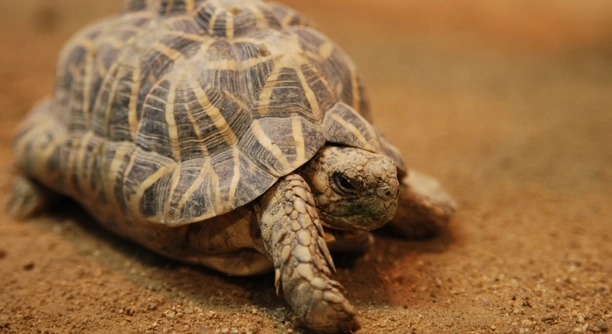
Turtles are fascinating creatures, and observing their behavior can be a rewarding experience. If you’ve noticed your turtle digging in the substrate, you may be wondering what’s causing this behavior.
Turtles dig in their substrate for several reasons, including creating a comfortable nesting site, seeking food, or simply engaging in natural behaviors. It can also be linked to stress, habitat issues, or the need for exercise.
Understanding why your turtle is digging can help you address any concerns and improve its living conditions. Keep reading to learn the possible reasons and how to ensure your turtle’s well-being.
Natural Behavior
Turtles are instinctively inclined to dig, and this is a natural part of their behavior. In the wild, they often dig to create burrows for protection or to hide from predators. When kept in a tank, your turtle may be mimicking these actions. Digging can help your turtle feel safe and secure in an environment that closely resembles its natural habitat. For aquatic turtles, digging also serves as a way to explore their surroundings. You might notice them digging around plants, rocks, or any loose substrate you’ve added to their tank.
This behavior is entirely normal and shows that your turtle is engaging with its environment. It can also be a sign of mental stimulation, as they are using their natural instincts to interact with the space they occupy.
Providing an environment where your turtle can dig will make them feel more at home. Adding some extra substrate or even a hiding spot could encourage this behavior and give your turtle the comfort it needs. If they’re digging more than usual, it may be a sign they’re simply having fun.
Nesting
If your turtle is a female, nesting could be the reason for the digging. Female turtles dig to lay eggs, and they will often start digging when they feel the need to find a safe spot to bury them. In captivity, female turtles may dig in search of a proper nesting area, even if they haven’t mated. Sometimes, they may exhibit nesting behavior when there are no eggs to lay. This can be a bit tricky for pet owners to manage, especially if their turtle doesn’t have access to the right nesting conditions.
To address this, ensure that your turtle’s habitat includes a section with enough substrate for digging. The area should be deep enough to let her dig and feel secure. If your turtle has laid eggs before, providing an appropriate nesting spot becomes even more important.
Make sure your turtle has an area with the right temperature and humidity to simulate the conditions she would have in the wild. This will give her the best chance at feeling comfortable and reduce stress. You can also monitor her behavior and see if the digging continues, which may indicate nesting behavior.
Stress and Anxiety
Stress can lead your turtle to dig as a coping mechanism. Changes in their environment, like a new tank or different lighting, can cause anxiety. When turtles feel threatened or unsettled, digging helps them feel safer. If the environment feels too busy or noisy, this can also increase their stress levels.
It’s important to observe your turtle for signs of stress, such as excessive digging, hiding, or a lack of interest in food. If you suspect stress, try to minimize disturbances and ensure the tank is quiet. Also, check the tank’s temperature, humidity, and lighting, as imbalances can also trigger anxiety in turtles.
A well-maintained environment will help keep your turtle calm. Providing plenty of hiding spots and keeping the area peaceful can make a huge difference. Sometimes, adding a simple log or rock for them to hide under may offer them the refuge they need.
Habitat Issues
Improper tank conditions are a common cause of digging behavior. If the water or substrate isn’t suitable, your turtle may dig to try and create a more comfortable environment. For example, if the water is too cold, they might dig to regulate their body temperature. Similarly, if the substrate is too shallow or not the right texture, they could be trying to find a more comfortable place to rest.
A simple way to resolve this is by adjusting the substrate and ensuring it’s deep enough for digging. Make sure it’s soft enough for your turtle to dig through but also provides stability. You may want to experiment with different types of substrates, such as coconut fiber or fine sand, to see what your turtle prefers.
Always monitor the water temperature closely. Cold water may stress your turtle, causing them to dig in search of warmth. Similarly, check the basking area’s temperature to make sure it’s adequate for your turtle’s needs. Making these adjustments can reduce unnecessary digging and improve your turtle’s overall comfort.
Hunger or Hunting Instinct
If your turtle is digging, it could be looking for food. Turtles are natural hunters and may dig through the substrate, searching for anything to eat. This behavior is especially common in species that forage in the wild. They might be trying to find hidden food that’s not visible.
To prevent this, ensure your turtle is fed regularly and has a well-balanced diet. If they’re still digging after feeding, it may be a sign that they need more food. Be sure to offer a variety of foods and monitor their eating habits. If you’re feeding them in the same area, try hiding the food to encourage them to forage.
Sometimes, adding some live food or worms can satisfy their natural hunting instincts. Ensure that you’re meeting their dietary needs to help reduce this behavior.
Boredom and Lack of Stimulation
Turtles are intelligent animals, and when they’re bored, they might start digging as a way to entertain themselves. Without enough stimulation, they may resort to digging or other repetitive behaviors. It’s important to create an enriching environment that encourages them to engage in natural activities.
You can add items like floating logs, rocks, or plants for your turtle to interact with. Toys or even a shallow water area for them to explore will keep them active and reduce the chance of digging out of boredom. Regularly changing their environment can also keep things interesting and provide mental stimulation.
Health Issues
Sometimes, digging can be a sign of health problems. If your turtle is feeling unwell, it may dig more than usual as a way to seek comfort. Illness can cause stress or discomfort, leading to abnormal behavior. If the digging is accompanied by other symptoms, like lack of appetite or lethargy, a visit to the vet might be needed.
FAQ
Why is my turtle digging so much?
Turtles dig for several reasons, including creating a comfortable space for themselves, exploring their environment, or seeking food. It can also be a natural behavior that mimics what they would do in the wild. Female turtles may dig to lay eggs, and sometimes turtles dig out of stress or boredom. If your turtle is digging excessively, it’s worth checking their habitat and health to see if any changes need to be made.
Is digging a sign of stress in turtles?
Yes, digging can be a sign of stress. Changes in their environment, like a new tank, new tankmates, or a noisy area, can cause anxiety. Turtles often dig to try and find a safe space when they feel threatened or uncomfortable. Ensuring your turtle’s tank is quiet and stable can help reduce this behavior. Also, check the temperature and lighting to make sure they’re within the ideal range for your turtle species.
What type of substrate should I use for my turtle’s tank?
The substrate you choose should be safe and suitable for your turtle’s species. Fine sand, coconut fiber, or reptile-safe soil are good options. Make sure the substrate is deep enough for them to dig through if they want. Avoid using substrates that are too large or sharp, as they could hurt your turtle. Keeping the substrate clean and dry is also important for preventing health issues.
How deep should the substrate be for a turtle to dig?
The substrate should be deep enough for your turtle to dig comfortably, usually about 4 to 6 inches deep. This allows them to engage in natural behaviors like digging, burying themselves, or exploring. If your turtle is digging excessively or acting frustrated, you may need to add more substrate to give them more space to dig.
Can I stop my turtle from digging?
While digging is a natural behavior, you can minimize excessive digging by ensuring your turtle’s environment is comfortable. Make sure they have enough food, proper lighting, and a quiet, safe space. If your turtle is digging out of boredom, adding items like plants, logs, or rocks can keep them engaged. You may also want to check if there are any stress factors that could be triggering the digging.
Should I worry if my turtle is digging all the time?
If your turtle is digging constantly, it may be worth checking their environment and health. It could be a sign of stress, hunger, or boredom. In some cases, constant digging may indicate that your turtle is preparing to lay eggs. If the digging is accompanied by other unusual behavior, such as lack of appetite or lethargy, it’s best to consult with a vet to rule out any health issues.
How can I make my turtle’s tank more interesting?
To prevent boredom-related digging, you can add items to your turtle’s tank that encourage exploration and exercise. Floating logs, rocks, or plants can provide hiding spots and places for your turtle to climb. Changing up their environment occasionally can also keep things fresh for them. Toys, shallow water areas, or tunnels can add variety and help reduce the urge to dig out of boredom.
Does digging help my turtle stay healthy?
Digging can be a sign of natural behavior, helping your turtle stay mentally stimulated and active. It mimics the actions they would take in the wild to find shelter or search for food. However, constant or excessive digging might indicate that something is wrong in their environment, such as incorrect temperature, stress, or hunger. Ensure that your turtle’s habitat encourages healthy behaviors and addresses any possible issues that could lead to excessive digging.
Why do female turtles dig?
Female turtles often dig to create a nest for laying their eggs. Even if they haven’t mated, female turtles may still dig as part of their natural nesting instinct. If your turtle is digging frequently and it’s around breeding season, it could be related to this behavior. Providing a substrate deep enough for nesting is important if you want to meet her needs. If you’re unsure whether it’s related to egg-laying, consider a vet visit to rule out any issues.
Can my turtle’s digging affect its health?
Excessive or unusual digging can sometimes be linked to health problems, such as stress or discomfort. If your turtle is digging a lot and not eating or seems lethargic, it could be a sign of an underlying health issue. Make sure to check the tank’s conditions, including water temperature, humidity, and lighting. If the digging continues and is accompanied by other health concerns, consult with a vet to ensure your turtle’s well-being.
How often do turtles need to dig?
Turtles don’t need to dig all the time, but they do engage in this behavior naturally. It’s common for them to dig for nesting, exploring, or finding food. In captivity, they may dig more or less depending on their environment and needs. If your turtle is digging excessively, it’s essential to evaluate their habitat and ensure they’re not feeling stressed or bored.
Final Thoughts
Turtles are naturally curious and active animals, and digging is a normal part of their behavior. Whether they’re creating a comfortable space, seeking food, or just exploring their environment, digging provides them with mental and physical stimulation. It’s important to recognize that this behavior isn’t always a sign of a problem. In many cases, turtles dig because it’s part of their natural instincts. Ensuring that your turtle’s tank mimics their natural environment as closely as possible will help them feel secure and engaged.
However, excessive digging could indicate an underlying issue. If your turtle is digging more than usual, it’s worth investigating their environment to see if there are factors causing stress. Temperature, lighting, and substrate all play crucial roles in your turtle’s comfort. Additionally, if your turtle is digging along with other signs of distress, like loss of appetite or lethargy, it might be time to consult with a vet to rule out any health concerns. Addressing these environmental and health factors will not only reduce unnecessary digging but also promote your turtle’s overall well-being.
Ultimately, creating a healthy and enriching environment for your turtle will reduce stress and provide them with the space they need to express their natural behaviors. By offering a suitable substrate for digging, providing hiding spots, and ensuring they’re well-fed and comfortable, you can create a habitat where your turtle feels secure. Whether it’s nesting, hunting, or just exploring, understanding why your turtle digs will help you respond to their needs more effectively. A little effort in managing their space can lead to a happier and healthier turtle.

Hello,
If you enjoy the content that we create, please consider saying a "Thank You!" by leaving a tip.
Every little bit helps us continue crafting quality advice that supports the health, happiness, and well-being of pets around the world, for pets of all shapes, sizes, and species.
We really appreciate the kindness and support that you show us!