
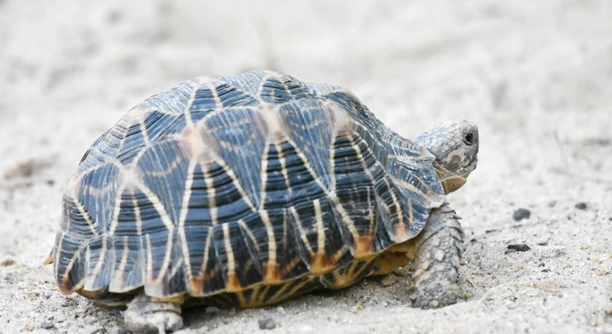
Turtles can be fascinating and calming pets, but sometimes their behavior can leave you puzzled. One common issue many turtle owners face is frequent digging. Understanding the reasons behind this behavior can help improve your turtle’s environment and well-being.
Turtles dig for various reasons, including searching for food, seeking a comfortable resting place, or trying to regulate their temperature. They may also dig as part of their natural instincts to create shelter or during the breeding process.
Uncovering the causes behind your turtle’s digging behavior will help you make adjustments to its habitat, ensuring a healthier and happier environment for your pet.
Natural Behavior
Turtles are naturally inclined to dig as part of their instinctive behavior. In the wild, they dig to create burrows, find food, or shelter. Even pet turtles, when placed in environments similar to their natural habitat, will exhibit these behaviors. Digging is an essential action for them, especially when they feel the need to hide or regulate their body temperature. This can be seen in species that are accustomed to living in areas with varying temperatures, as they dig to find cooler or warmer spots.
Digging is also part of a turtle’s hunting and foraging strategy. Many turtles dig to uncover food that may be buried in the substrate. This digging is typically not a sign of distress or anxiety but rather an expression of their instincts.
When your turtle digs, it’s crucial to provide a substrate that allows them to dig comfortably, such as sand or soil, to help them feel secure. This setup mimics the natural conditions where they would dig to find food or make a shelter.
Temperature Regulation
Turtles dig to adjust their body temperature. They rely on the environmental conditions to stay at an optimal temperature. If a turtle gets too hot or too cold, it will dig to find a more comfortable spot. The digging behavior may increase during the summer or winter months, depending on the temperature shifts in their tank or enclosure.
The turtle’s body is highly sensitive to temperature changes, and they will instinctively seek the right area for warmth or cooling. Ensuring your turtle’s habitat has both warm and cool areas gives them the ability to regulate their body temperature through digging, which keeps them healthier.
A proper habitat with varied temperatures is essential for a turtle’s well-being. Provide a heat lamp to create a warm spot and an area with cooler, shaded spots where your turtle can retreat when it feels the need to regulate its body temperature.
Nesting Behavior
Turtles may dig when they are preparing to lay eggs. This behavior is a natural part of their reproduction cycle. Female turtles often dig to create a nest for their eggs, ensuring that they are laid in a safe and secure spot. This action is most common in species that require nesting sites for their eggs to incubate.
If your turtle is digging frequently, especially during the warmer months, it may be trying to find a place to lay eggs, even if there’s no male present. Female turtles can produce eggs without mating, so it’s important to be prepared for this possibility. The substrate should be deep enough for her to dig a suitable nest, as this will provide her with the space she needs to feel comfortable.
Providing your turtle with a proper nesting area will help reduce unnecessary stress and ensure that she can lay her eggs safely. A soft, moist substrate like damp soil or sand can make a difference, as it mimics the conditions found in the wild.
Stress or Anxiety
Turtles can also dig when they’re feeling stressed or anxious. Changes in their environment, such as new tank mates or unfamiliar surroundings, can lead to this behavior. Stress is a natural response when a turtle feels threatened or uncomfortable. Digging, in this case, is often a coping mechanism.
If your turtle’s habitat isn’t ideal, they might dig more as a way to express discomfort. This can happen if the tank is too small, overcrowded, or has sharp objects. Stress can also be caused by inconsistent lighting, temperature fluctuations, or an unclean habitat. Observing your turtle’s behavior can give you clues as to whether stress is the cause.
To reduce stress-related digging, ensure that your turtle’s enclosure is properly sized, well-maintained, and free of stressors. Keep the lighting, temperature, and humidity stable to provide a calm and secure environment for your pet.
Excess Energy
If your turtle isn’t getting enough stimulation, it may dig to release excess energy. Turtles are active animals that need both mental and physical enrichment to stay happy. When they don’t get enough exercise or interaction, they may resort to digging as a way to entertain themselves.
Providing more space, enrichment, and activities can help redirect their energy. You can add hiding spots, water plants, or objects to climb on to create a more engaging environment. Without proper stimulation, turtles may become frustrated and dig more often. Ensuring your turtle has enough to do will prevent boredom-driven behavior.
Feeding Behavior
Some turtles dig in search of food. This can be particularly true for species that naturally forage for food in the wild. They may dig to uncover hidden insects or plants, mimicking the way they would behave in their natural habitat.
To reduce this behavior, make sure your turtle is well-fed with a balanced diet. It can also help to create feeding schedules so that your turtle doesn’t feel the need to dig out food. Consistency in feeding time and portion size will keep your turtle satisfied and prevent unnecessary digging.
Mating Instincts
Mating behavior can lead to digging, especially if there is a female in the tank. Male turtles often dig as part of their courtship rituals, attempting to impress a potential mate. This behavior can be more pronounced during breeding seasons when their instincts are heightened.
In the absence of a mate, male turtles may continue digging out of habit or frustration. Ensuring a proper living space and environment can help calm these instincts. Adding hiding spots or distractions can give your turtle other outlets to manage their behavior.
FAQ
Why is my turtle digging so much?
Digging is a natural behavior for turtles, often linked to their instincts and needs. It could be for temperature regulation, nesting, or simply exploring their environment. If your turtle is digging more than usual, it’s important to check the temperature, humidity, and other conditions in their habitat. Make sure there is enough space for them to move around and that the environment mimics their natural surroundings as closely as possible.
Can digging be a sign of stress in my turtle?
Yes, stress can lead to excessive digging. Changes in the environment, such as new tank mates, noisy surroundings, or improper water conditions, can cause your turtle to feel anxious. This anxiety might lead them to dig more as they try to find comfort or shelter. To help reduce stress, ensure that your turtle’s habitat is stable, quiet, and clean. Keep temperature and humidity levels consistent and make sure the tank is the appropriate size.
How can I stop my turtle from digging?
To prevent your turtle from digging, you need to address the underlying cause. If they’re digging due to nesting, provide a suitable area for them to lay eggs, such as soft soil or sand. If it’s due to stress, check the water quality, temperature, and living conditions. Offering more space, enrichment, and variety in their habitat can also help. Make sure they have enough things to explore and interact with, so they don’t resort to digging out of boredom.
Is it normal for my turtle to dig in the water?
Yes, it’s normal for some turtles to dig in the water. Aquatic turtles may dig to create a hiding spot or just as part of their foraging behavior. Some species naturally dig around rocks, plants, or other objects in the water. If your turtle’s water area is too shallow or lacks hiding spots, they may dig more in search of comfort. Ensure the water is deep enough for them to feel secure, and provide hiding spots or a soft substrate where they can dig if needed.
Can my turtle dig too much?
Excessive digging can sometimes be a sign that something is off in your turtle’s environment. If they’re digging constantly, check if they’re bored, stressed, or uncomfortable. A healthy amount of digging is normal, but if it seems excessive, assess their habitat and make adjustments. It may also be useful to observe their behavior for signs of illness, as some turtles dig more when they’re feeling unwell.
How deep should the substrate be for my turtle to dig?
If you want to encourage natural digging behavior, make sure the substrate is at least a few inches deep. For aquatic species, a depth of 2-4 inches is often enough, while land-based species may require deeper soil to create proper burrows. The substrate should also be soft and easy to dig through, such as sand or moist soil. If you provide a nesting area, make sure it’s deep enough for your turtle to create a proper nest.
Why is my turtle digging around the edges of the tank?
Digging near the edges of the tank could indicate that your turtle feels confined or stressed. It may also dig near the edges to search for a way out or because it feels the need to escape. Check for any barriers or stressors in their environment, such as high noise levels or cramped spaces. Providing a larger tank or more enriching activities can help reduce this behavior.
Can I reduce my turtle’s digging behavior with a bigger tank?
A bigger tank can definitely help reduce digging behavior, especially if the turtle feels cramped. Providing a larger space gives your turtle more room to explore and move around, which can reduce stress and boredom-driven behaviors like digging. A larger tank also allows for more temperature gradients and better water circulation, which can contribute to overall well-being.
Is it okay to stop my turtle from digging entirely?
It’s important to remember that digging is a natural behavior, and while it can sometimes be excessive, it should not be entirely prevented. Instead, focus on understanding why your turtle is digging. If it’s related to nesting, temperature regulation, or stress, addressing these factors will help manage the digging. A balanced approach is key.
Should I be worried if my turtle digs and then buries itself?
It’s normal for some turtles, especially land-based species, to dig and then bury themselves. This is often part of their natural behavior to find shelter or regulate temperature. However, if your turtle buries itself for extended periods and doesn’t come out, it may be a sign of illness or discomfort. Ensure your turtle has access to fresh water, proper lighting, and temperature regulation. If the behavior continues, consult a vet.
Can digging indicate that my turtle is sick?
In some cases, digging can be a sign of illness. Turtles may dig more when they’re feeling unwell or stressed. If your turtle is digging excessively and showing other signs of illness, such as lack of appetite, lethargy, or abnormal behavior, it may be time to consult a veterinarian. Digging on its own is not a direct indication of illness, but combined with other symptoms, it’s worth investigating.
How often should I clean the substrate if my turtle is digging?
The substrate should be cleaned regularly to maintain a healthy environment for your turtle. If your turtle is digging often, you may need to clean the substrate more frequently to prevent it from becoming too dirty. For aquatic turtles, remove uneaten food and waste daily. For land-based turtles, clean the substrate every few weeks, but spot-clean areas that get soiled from digging. A clean environment helps reduce stress and keeps your turtle happy.
Final Thoughts
Understanding why your turtle digs is key to ensuring its well-being. Digging is a natural behavior for turtles, and it can be linked to many different factors such as temperature regulation, nesting, stress, or even boredom. Each turtle is unique, and what might cause one turtle to dig might be completely different for another. By paying close attention to your turtle’s behavior and environment, you can determine the root cause and make the necessary adjustments.
If your turtle is digging excessively, it’s important to evaluate its habitat. Check if the temperature and humidity are suitable, if the tank size is appropriate, and whether the substrate allows for natural digging behavior. Making sure your turtle has enough space to move, proper hiding spots, and the right enrichment can help reduce unwanted digging. Sometimes, small changes in its environment can make a big difference in their behavior. Addressing stress factors and making the habitat as natural as possible can often solve the issue.
While digging is mostly normal, it’s important to stay mindful of how much and how often it occurs. If the digging seems abnormal, or if it’s accompanied by other signs of distress like loss of appetite, lethargy, or unusual behavior, it might be time to consult a veterinarian. Digging should be a natural part of your turtle’s life, not something that causes concern. With the right care and attention to detail, you can help your turtle live a healthy, happy life.

Hello,
If you enjoy the content that we create, please consider saying a "Thank You!" by leaving a tip.
Every little bit helps us continue crafting quality advice that supports the health, happiness, and well-being of pets around the world, for pets of all shapes, sizes, and species.
We really appreciate the kindness and support that you show us!