
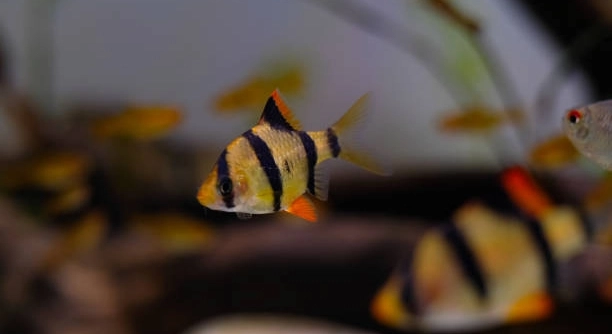
Are your Tiger Barb tank smells becoming unpleasant despite regular cleaning? Many aquarium owners face this issue without fully understanding the reasons behind it. This article will explore common causes of odors in your fish tank.
The main reasons your Tiger Barb tank smells include leftover food, poor filtration, excess waste buildup, decaying plants, improper water changes, overcrowding, and bacterial growth. These factors create an environment where odors develop and persist if not managed properly.
Identifying these causes will help you maintain a fresher tank and a healthier environment for your fish over time.
Leftover Food and Uneaten Waste
Leftover food is often the primary reason your Tiger Barb tank starts to smell. When fish do not eat all the food provided, it sinks to the bottom and begins to rot. This decay releases harmful substances and odors into the water. Uneaten waste from the fish also contributes to the buildup of organic matter. Over time, this organic material breaks down and encourages bacterial growth, which adds to the smell. Regularly feeding your fish the right amount and promptly removing uneaten food can help prevent these problems. Consistent cleaning of the tank substrate is also important to avoid waste accumulation. This keeps the water cleaner and reduces odor-causing elements.
Removing leftover food quickly prevents odors and helps maintain water quality. Feeding smaller amounts is often better than overfeeding.
Cleaning your tank’s substrate regularly and using a siphon to remove debris can reduce the buildup of decayed food and waste. This practice keeps the tank healthier and more pleasant to be around.
Poor Filtration
A weak or poorly maintained filter can lead to a smelly tank. Filters remove waste and toxins from the water, helping to keep it clean. When filters become clogged or are not running properly, waste and particles remain in the water, causing unpleasant odors. It is important to clean or replace filter media regularly according to the manufacturer’s guidelines. Using a filter with enough capacity for your tank size and the number of fish is also crucial. Without proper filtration, harmful substances build up faster, affecting both the smell and health of your Tiger Barbs.
Maintaining the filter well is essential for a fresh-smelling and healthy aquarium. It prevents the accumulation of waste that contributes to odor.
A good filtration system is the backbone of a healthy tank. Mechanical filtration removes solid particles, while biological filtration helps break down harmful ammonia and nitrites produced by fish waste. Without these processes functioning properly, water quality declines rapidly. This decline causes fish stress and increases odor problems. Routine filter maintenance includes rinsing filter media in tank water to preserve beneficial bacteria, replacing carbon media when necessary, and ensuring the filter pump operates smoothly. Choosing a filter rated for slightly more than your tank size ensures efficient cleaning. These steps maintain water clarity, reduce odor, and support the overall well-being of your Tiger Barbs.
Decaying Plants
Dead or decaying plants in the tank can cause a noticeable smell. When plants start to rot, they release organic matter into the water, promoting bacterial growth and unpleasant odors. Removing dead leaves and trimming plants regularly helps reduce this problem.
Decaying plant matter breaks down and adds excess nutrients to the water, which feeds bacteria and algae. This process can make the tank smell musty or sour. Keeping live plants healthy and removing dead parts quickly prevents these odors from developing. Using fast-growing plants that absorb nutrients can also help control waste buildup.
If you prefer artificial plants, ensure they are cleaned regularly to avoid trapping debris. For live plants, maintaining proper lighting and fertilization supports their health. Both approaches reduce the chance of decay and keep the tank smelling fresher for longer periods.
Improper Water Changes
Infrequent or insufficient water changes allow waste and toxins to build up, leading to a smelly tank. Even with a good filter, regular water replacement is necessary to keep the environment clean for your Tiger Barbs.
Neglecting water changes causes dissolved organic compounds and harmful chemicals to accumulate in the tank. These compounds result from fish waste, leftover food, and decaying matter. Over time, they degrade water quality and produce foul odors. Regular partial water changes dilute these pollutants, improve oxygen levels, and support beneficial bacteria that help break down waste.
A good schedule is to change 20-30% of the water weekly, depending on tank size and fish load. Using a water conditioner during changes removes chlorine and chloramine, which can harm fish and beneficial bacteria. This routine is vital for maintaining both water quality and the overall health of your Tiger Barbs.
Overcrowding
Too many fish in one tank leads to excessive waste, which quickly degrades water quality. This creates an environment where odors can develop more easily. Maintaining an appropriate number of Tiger Barbs helps keep the tank balanced and fresher.
Overcrowding stresses the fish and strains the filtration system. More waste means faster buildup of ammonia and other harmful substances. This not only causes bad smells but also harms fish health. Following stocking guidelines ensures your tank remains clean and safe.
Bacterial Growth
Bacteria naturally live in aquariums and help break down waste. However, excessive bacterial growth, especially of anaerobic bacteria, can produce strong odors. Proper tank maintenance controls bacterial levels and prevents unpleasant smells.
Poor Tank Cleaning
Regular cleaning is necessary to prevent buildup of debris and algae that cause odors. Skipping or delaying cleaning routines allows waste to accumulate and the tank to smell.
FAQ
Why does my Tiger Barb tank smell even after cleaning?
Sometimes cleaning the tank isn’t enough if key areas are missed. Leftover food stuck in decorations, substrate, or filter media can continue to decay and cause odors. Also, if water changes are infrequent, waste compounds build up even after cleaning. Proper filter maintenance and regular partial water changes are essential to fully control smells.
How often should I change the water in my Tiger Barb tank?
It is best to change 20-30% of the tank water every week. This frequency helps remove dissolved wastes and toxins that filters cannot fully eliminate. Regular water changes support a stable environment, reduce odor, and promote fish health.
Can overfeeding cause bad smells in my tank?
Yes. Overfeeding leaves uneaten food to decay at the bottom of the tank, which produces foul odors. Feeding small portions that your fish can eat within a few minutes prevents this issue and keeps the tank cleaner.
What kind of filter is best for a Tiger Barb tank?
A filter rated for at least the size of your tank is necessary, with both mechanical and biological filtration. Mechanical filtration traps particles, while biological filtration breaks down harmful ammonia and nitrites. Canister filters or hang-on-back filters with replaceable media work well.
Are live plants helpful or harmful for tank smell?
Live plants generally help by absorbing excess nutrients that feed bacteria and algae. However, decaying or dead plants cause bad smells. Maintaining plant health and promptly removing dead parts prevents odors.
Can poor water quality make my Tiger Barbs sick?
Yes. Waste buildup and toxins from poor water quality cause stress and illness in fish. Keeping the tank clean with regular water changes and filtration prevents disease and improves fish vitality.
How do I clean the filter without harming beneficial bacteria?
Rinse filter media gently in water taken from the tank during water changes. Avoid using tap water, which contains chlorine that kills beneficial bacteria. This method keeps helpful bacteria alive while removing debris.
Is overcrowding a common reason for tank odor?
Overcrowding produces excess waste that overwhelms filtration and leads to odor problems. Following recommended stocking levels for Tiger Barbs helps maintain a balanced ecosystem and reduces smells.
Can algae cause my tank to smell?
Algae itself usually doesn’t cause strong odors, but decaying algae and trapped debris can produce smells. Regular cleaning and controlling light exposure limit algae growth and reduce odor.
Should I use water conditioners to reduce tank smell?
Water conditioners help by removing chlorine and chloramine from tap water during changes, which supports fish health and beneficial bacteria. While they don’t directly reduce odors, they help maintain a stable environment that prevents odor-causing imbalances.
Final Thoughts
Keeping a Tiger Barb tank free of unpleasant smells requires attention to several important factors. Regular maintenance is key, including proper feeding, timely water changes, and effective filtration. Overfeeding or letting leftover food sit can quickly cause odors, so feeding the right amount and cleaning uneaten food is essential. Water changes help remove dissolved waste that filters cannot eliminate on their own. Without these steps, waste and toxins build up, leading to a smelly and unhealthy environment.
Filtration plays a critical role in maintaining water quality. Filters remove solid waste and support beneficial bacteria that break down harmful substances. However, filters need routine care to function well. Cleaning or replacing filter media at recommended intervals ensures they work efficiently. Using a filter rated for your tank size helps avoid waste buildup and odors. Without proper filtration, water conditions worsen quickly, and smells become more noticeable.
Finally, other factors like overcrowding, decaying plants, and bacterial growth also contribute to tank odors. Keeping the fish population appropriate for your tank size reduces waste production. Removing dead or dying plants prevents organic matter from decaying in the water. Managing bacteria through good tank hygiene and water quality control helps prevent foul smells. Taking care of these details creates a cleaner, fresher tank that supports the health and happiness of your Tiger Barbs. Regular care not only improves the environment but also makes your aquarium a more pleasant place to enjoy.

Hello,
If you enjoy the content that we create, please consider saying a "Thank You!" by leaving a tip.
Every little bit helps us continue crafting quality advice that supports the health, happiness, and well-being of pets around the world, for pets of all shapes, sizes, and species.
We really appreciate the kindness and support that you show us!