
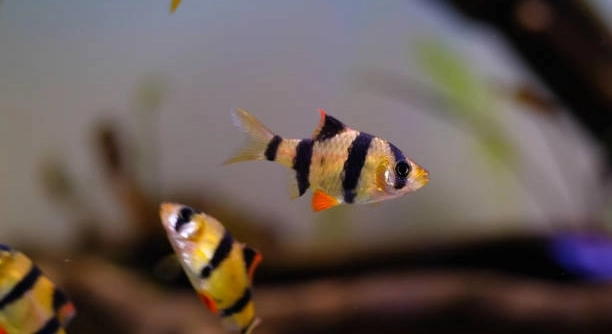
Tiger barbs are lively and colorful fish that many aquarium lovers enjoy. Sometimes, their fins may clamp tight, signaling that something might be wrong. Knowing why this happens helps keep them healthy and happy.
Clamped fins in tiger barbs usually indicate stress, illness, poor water quality, or discomfort in their environment. Identifying the root cause is essential to address the problem and improve the fish’s wellbeing effectively.
Recognizing the reasons behind clamped fins can prevent bigger health issues. Let’s look closer at the common causes and what you can do to help your tiger barb feel better.
Poor Water Quality
Poor water quality is one of the most common reasons tiger barbs clamp their fins. When the water in the tank has high levels of ammonia, nitrites, or nitrates, it creates an unhealthy environment. Dirty water can stress fish and damage their delicate fins. It is essential to test the water regularly and perform partial water changes to keep it clean. Filters help maintain water clarity and remove harmful substances, but they need proper care and cleaning to work well. Sometimes, overfeeding can cause leftover food to decay, making water quality worse. Keeping a consistent cleaning schedule and avoiding overcrowding the tank also helps maintain good water conditions for your tiger barbs.
Regular water testing and maintenance will keep your fish healthier and more comfortable in their tank.
Consistent care is key to preventing poor water quality. When the water is clean and balanced, tiger barbs feel safe and less stressed. This reduces fin clamping and helps your fish show their natural behavior. Use water test kits to check parameters like pH, ammonia, nitrite, and nitrate levels. If anything is off, act quickly with water changes or filtration fixes. Small, regular changes work better than sudden, large ones. Monitoring your tank’s environment closely can make a big difference in your tiger barbs’ health over time.
Stress from Tankmates or Environment
Tiger barbs are active and can become stressed if tankmates are too aggressive or incompatible. They may clamp fins as a sign of discomfort. Too much noise, sudden changes, or overcrowding also cause stress. Watching how your fish behave together can help you spot problems early.
Stress affects tiger barbs physically and mentally, leading to clamped fins and lowered immunity. It’s important to choose peaceful tankmates and provide enough space for each fish. Decorations and hiding spots create a safe feeling. Avoid sudden changes like loud noises or moving decorations often. Keeping a stable environment helps reduce stress levels.
If your tiger barbs are stressed, observe their interactions carefully. Sometimes, separating aggressive fish or adding more hiding spots calms the tank. Stress can also come from poor water quality, so maintaining cleanliness is important. A calm, balanced tank encourages healthy fins and bright colors. Paying attention to the fish’s behavior and environment will help you create a comfortable home where they thrive.
Disease or Parasites
Diseases and parasites can cause tiger barbs to clamp their fins as a response to irritation or discomfort. Common infections include fin rot and ich, which affect their health directly.
Fin rot is a bacterial infection that causes the fins to fray and look unhealthy. It often starts when fish are stressed or in poor water conditions. Ich, a parasite, appears as white spots and makes fish scratch against surfaces. Both conditions weaken the fish and cause fin clamping as they try to protect themselves. Treatment usually involves improving water quality and using medication recommended for these issues. Early detection is important to prevent further damage.
Parasites may also attach to the skin or gills, causing irritation and fin clamping. Quarantining new fish before adding them to your tank helps reduce the risk of disease spreading. Maintaining a clean tank and monitoring fish behavior regularly allows you to catch infections early and act quickly. This protects your tiger barbs from prolonged stress and health problems.
Temperature Stress
Tiger barbs are sensitive to sudden changes in water temperature. If the tank water is too cold or too warm, they may clamp their fins as a reaction to discomfort or shock.
Maintaining a stable temperature within the recommended range, typically 74°F to 79°F (23°C to 26°C), is crucial for their health. Using a reliable heater and thermometer helps keep the temperature steady. Avoid placing the tank near drafts, heaters, or windows where temperature fluctuates. Sudden drops or spikes can stress the fish, leading to clamped fins and weakened immunity. Gradual temperature changes during water changes are better than abrupt shifts.
Temperature stress can also slow the fish’s metabolism and make them more vulnerable to disease. Keeping the environment stable reduces stress and promotes better health. If you notice your tiger barb clamping fins after a temperature change, check the heater and adjust the room conditions. A consistent temperature ensures your fish stay comfortable and active.
Overcrowding in the Tank
Overcrowding creates stress for tiger barbs, causing them to clamp their fins. Too many fish in a small tank limit space and increase waste buildup.
Limited space means less room to swim and hide. This can lead to aggression and tension among fish, making them uncomfortable and more prone to fin clamping.
Poor Nutrition
A poor diet lacking essential nutrients can weaken your tiger barb’s immune system. This makes them more likely to show signs of stress, including clamped fins. Feeding a balanced diet with quality flakes, pellets, and occasional live or frozen foods supports their health.
Sharp or Rough Decorations
Sharp decorations in the tank can injure fins, causing them to clamp as a protective response. Using smooth, fish-safe decorations helps prevent damage and promotes a safer environment for your tiger barbs.
New Tank Syndrome
New tanks often have unstable water conditions, which can stress fish and lead to clamped fins. Cycling the tank before adding fish reduces this problem.
FAQ
Why do my tiger barbs keep clamping their fins even though the water looks clean?
Clean water is important, but it’s not the only factor. Sometimes, harmful substances like ammonia or nitrites are still present but not visible. Using a water test kit can help check these levels. Also, sudden changes in temperature or stress from tankmates may cause clamping, even if the water looks clear.
How can I tell if clamped fins are due to illness or stress?
Look for other signs like loss of appetite, lethargy, or visible spots on the body. Illness usually shows more symptoms such as discoloration, frayed fins, or abnormal swimming. Stress might be caused by overcrowding, poor water conditions, or aggressive tankmates, and often comes with changes in behavior but fewer physical signs.
Can clamped fins heal on their own?
If the cause is mild stress or minor environmental issues, fins may improve with proper care and stable tank conditions. However, if the problem is due to disease or injury, treatment is necessary to prevent permanent damage or worsening health.
What is the best way to improve water quality quickly?
Performing a partial water change of about 25-30% can help remove toxins and refresh the tank. Avoid changing too much water at once, as this can shock your fish. Also, clean or replace filter media as needed, but don’t clean everything at once to preserve beneficial bacteria.
How often should I test my tank water?
Testing water at least once a week is a good routine, especially in new or heavily stocked tanks. For well-established tanks, testing every two weeks may be sufficient unless you notice changes in fish behavior or appearance.
Are there specific tankmates I should avoid with tiger barbs?
Tiger barbs can be fin nippers but are also sensitive to aggressive fish. Avoid keeping them with overly aggressive or much larger species that may bully them. Peaceful, similarly sized fish usually make better companions.
Does tank size affect fin clamping?
Yes, a small or overcrowded tank increases stress and competition for space, leading to fin clamping. Make sure your tank is large enough to comfortably house your tiger barbs and their tankmates, allowing room to swim and hide.
Can diet alone fix clamped fins?
A nutritious diet supports overall health and can reduce stress, but diet alone won’t solve clamping caused by poor water quality or disease. Combine good nutrition with proper tank maintenance for the best results.
Should I isolate a fish with clamped fins?
If you suspect disease, isolating the affected fish can prevent spreading to others. Quarantine tanks help treat illness safely. For stress-related clamping, improving tank conditions is usually enough without isolation.
How long does it take for fins to recover after treatment?
Recovery time depends on the cause and severity. Minor stress may show improvement in a few days. Bacterial or fungal infections might take one to two weeks with proper treatment. Always follow medication instructions carefully.
Can I prevent fin clamping in tiger barbs?
Maintaining stable water conditions, choosing compatible tankmates, providing a balanced diet, and avoiding overcrowding all help prevent clamped fins. Regular tank cleaning and monitoring fish behavior catch problems early.
Is clamped fin behavior normal sometimes?
Fish may occasionally clamp fins briefly due to momentary stress or after sudden movement in the tank. If clamping is constant or frequent, it signals an ongoing issue needing attention.
Tiger barbs clamping their fins is a clear sign that something in their environment or health needs attention. This behavior is often linked to stress, illness, or poor living conditions. By understanding the reasons behind clamped fins, it becomes easier to spot problems early and take action to help your fish feel better. Regular care and attention to their tank and diet play a big role in keeping tiger barbs healthy and comfortable.
Maintaining good water quality is one of the most important steps to prevent fin clamping. Testing water regularly, performing water changes, and keeping filters clean all contribute to a stable environment. Avoiding overcrowding and choosing compatible tankmates also reduce stress, which is a common cause of clamped fins. Paying attention to temperature stability and using safe decorations help create a comfortable home for your fish. When your tiger barbs are in a well-maintained tank, they will show off their natural behaviors and bright colors without stress.
If your tiger barbs show signs of illness, such as clamped fins combined with other symptoms, prompt treatment is necessary. Quarantining sick fish and using recommended medications can stop infections from spreading and improve recovery chances. Nutrition is another key factor — feeding a balanced diet supports immune health and overall vitality. Keeping an eye on your fish’s behavior and environment helps catch issues early. With consistent care and a good understanding of their needs, your tiger barbs can thrive and bring life to your aquarium for years to come.

Hello,
If you enjoy the content that we create, please consider saying a "Thank You!" by leaving a tip.
Every little bit helps us continue crafting quality advice that supports the health, happiness, and well-being of pets around the world, for pets of all shapes, sizes, and species.
We really appreciate the kindness and support that you show us!