
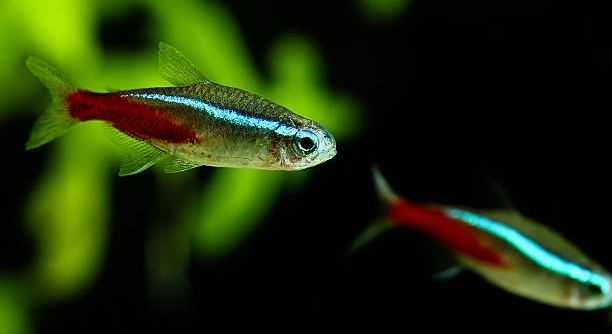
Are your tetras ignoring the new food you’ve added to their tank, leaving you unsure of what went wrong with their routine?
Tetras often refuse new food due to changes in texture, unfamiliar smells, or poor water conditions. Stress, improper feeding techniques, and incompatible tank mates can also influence their willingness to accept dietary changes.
Learning these reasons can help you adjust their feeding routine and improve their overall health, comfort, and behavior in your aquarium.
1. Sudden Change in Diet
When you introduce new food too quickly, tetras may refuse it simply because it feels unfamiliar. Like many small fish, tetras rely on consistency. Abrupt changes to their diet can confuse them, leading to hesitation or outright refusal. This behavior is often misunderstood as pickiness, but it’s actually a form of caution. In the wild, food sources remain fairly stable, and sudden changes might indicate something unsafe. If the new food smells different or sinks at a different speed, they may be unsure how to react. Switching brands, types, or formats—like flakes to pellets—without a gradual introduction increases this resistance.
If your tetras are not recognizing the new food as safe, they will likely avoid it entirely.
To help them adjust, introduce the new food slowly. Mix a small amount into their usual food and increase it over time. This method builds familiarity and helps reduce feeding stress.
2. Poor Water Quality
Poor water quality can quickly affect your tetras’ behavior and appetite. Even a slight imbalance in ammonia, nitrites, or pH levels may cause stress.
Tetras are sensitive to their environment. When the water becomes unstable, it weakens their immune systems and increases stress levels. This often shows up as lack of activity, hiding, or skipping meals. They may not feel well enough to eat, especially when presented with something new. Consistently high levels of ammonia or nitrites can damage their gills, making it uncomfortable or even painful to eat. Fluctuations in temperature or pH can also create discomfort. These small but impactful changes disrupt their routine and make them reject food they would normally accept. Always monitor water parameters and ensure your filter is functioning correctly. Regular partial water changes help maintain a stable tank. Once the environment returns to normal, your tetras are more likely to regain their appetite—even with new food options.
3. Stress from Tank Mates
Tetras may stop eating new food if they feel threatened or overwhelmed by aggressive tank mates. Constant chasing or crowding can cause them to stay hidden during feeding times.
When tetras live with faster or more dominant fish, they often miss out on food entirely. Over time, this leads to decreased interest in feeding, especially when presented with something unfamiliar. Fish that nip fins or invade personal space make it difficult for tetras to feel comfortable exploring the tank or trying new things. Even peaceful fish can create stress if the tank is overcrowded or too active. To reduce this issue, observe how your tetras behave during feeding. If they seem hesitant or stay away from the food, consider separating aggressive tank mates or rearranging the tank to create more hiding spots. A calmer environment often leads to better feeding behavior.
It helps to feed in multiple areas at once or during quieter moments. Distraction-free feeding gives shy tetras time to explore the food without pressure. Use floating plants or decor to create safe spaces near the surface or middle level. These minor changes allow them to feel more secure, which encourages them to interact with their surroundings and eventually try the new food without fear or competition.
4. Texture or Size Issues
Tetras have small mouths and prefer softer, bite-sized food that’s easy to handle. If the new food is too hard or large, they often ignore it completely.
Dry pellets or oversized flakes can be difficult for them to chew or swallow, especially if the texture is dense or unfamiliar. Sinking food may also be missed if they usually feed at the surface. Breaking the food into smaller pieces or soaking it briefly can make it more appealing. Look for items labeled for small tropical fish to ensure the right size and texture.
Some foods might also dissolve too slowly, causing them to lose flavor or become too mushy. When food lingers in the water, it can foul the tank and reduce interest. Choose high-quality options that soften quickly without falling apart. Watch how your tetras react: if they peck once and swim away, texture might be the issue. When the size and feel are right, they’re much more likely to eat with confidence.
5. Feeding at the Wrong Time
Tetras are more responsive to food when the environment is calm. Feeding them during loud activity or after tank maintenance may cause hesitation or avoidance.
Try feeding at a consistent time each day, preferably when the lighting is steady and the tank is undisturbed. Routine helps them feel secure.
6. Food Gone Stale
Even if it looks fine, fish food loses its smell and nutritional value over time. Tetras rely heavily on scent, and stale food becomes unappealing.
Store flakes and pellets in a dry, cool place, tightly sealed. Avoid using food that’s been open for several months. Freshness matters more than you might expect.
7. Illness or Internal Issues
Loss of appetite can be an early sign of illness. Internal parasites, infections, or digestive trouble often reduce feeding interest. Watch for other changes like bloating, color loss, or lethargy. Quarantine affected fish if needed and consult a vet or aquatics specialist to check for possible health concerns.
When to Try a New Approach
If your tetras still refuse new food after changes, it may be time to test a different type altogether.
FAQ
How long should I wait before changing my tetra’s food again?
Wait at least one to two weeks before offering a new type of food. During this time, gradually mix the new food with the one they’re used to. Sudden shifts can cause more resistance or even digestive stress. Give them time to recognize the food as safe. If they still refuse, try another option with a similar texture and scent to what they already eat. Keep a close eye on how much they’re consuming. Lack of interest after consistent exposure may mean the food isn’t suitable or something else is affecting their behavior.
Can tetras eat the same food every day?
Yes, but variety is still important. Tetras can eat a staple food daily, like flakes or micro pellets, as long as it’s high quality. However, adding occasional treats such as frozen brine shrimp, daphnia, or bloodworms helps improve their nutrition. A varied diet supports better color, energy, and immune health. Alternate food types throughout the week for balance. If offering something new, make changes slowly and observe how your tetras respond.
Why do my tetras spit out their food?
Spitting food out doesn’t always mean rejection. Sometimes, they’re just testing the texture or struggling with the size. Hard or dry pieces may be difficult to chew, especially for younger fish. Try soaking the food in tank water for a few seconds before feeding. If they keep spitting it out after several attempts, the food might be too large, stale, or simply not appealing to them. Consider switching to smaller, softer options.
Do tetras need live food to stay healthy?
Live food isn’t required, but it can be beneficial when used occasionally. Tetras enjoy the movement and will often chase live options like brine shrimp or microworms. These foods stimulate natural hunting behavior and provide extra nutrients. Just be sure the source is clean and safe, as live food can introduce bacteria or parasites into the tank. Frozen alternatives offer a safer option if you’re unsure about the quality of live feeds.
How can I make feeding more comfortable for shy tetras?
Create quiet zones with plants or decor that break line-of-sight. Turn off bright lights and feed during calm moments. Avoid sudden movements near the tank while feeding. Spread the food out rather than dropping it all in one spot. These changes give shy fish space to explore the food without pressure. Over time, they’ll feel more comfortable and start feeding regularly—even with new foods in the mix.
Is it okay if my tetra skips a meal or two?
Yes, missing a meal isn’t usually a cause for concern. Healthy adult tetras can go a couple of days without eating, especially if they’re adjusting to a new food or environment. However, if the refusal continues for more than three days or is paired with other signs of stress or illness, it’s time to check water quality and overall health. A temporary fast won’t hurt them, but ongoing issues should be addressed quickly.
What’s the best way to store fish food?
Keep fish food in a cool, dry place, away from light and humidity. Use airtight containers and avoid scooping food with wet fingers or spoons. Exposure to moisture can lead to mold or reduce freshness. If you buy in bulk, consider storing a small portion separately and keeping the rest sealed. Rotate stock often and avoid using food that’s been open for more than three months, especially if it has a strong or unusual smell.
How do I know if the food is too big for my tetra?
Watch how your tetras interact with the food. If they bite and immediately spit it out or ignore it altogether, it may be too large. Flakes that cover most of their mouth or pellets that don’t soften quickly can be a problem. Try crushing or breaking the food into smaller pieces. Food should be small enough to swallow easily without effort. They should be able to eat it comfortably within a few seconds of biting.
Final Thoughts
Feeding issues with tetras can feel frustrating, but most of the time, the solution is simple. These small fish rely on routine, comfort, and a clean environment to thrive. When something changes—like their food, tank mates, or water quality—they may react by avoiding meals. It’s not always about the food itself. Sometimes, it’s the way the food is introduced or how the environment around them feels. Observing their behavior closely can help you understand what they need and where the adjustment should be made. Patience is important. Forcing changes too quickly can lead to more stress and further refusal.
Each tetra is different, and not all will accept new food right away. If they’ve been used to one type of food for a long time, they might resist something new. The best approach is to introduce the new food slowly and give them time to adjust. Feeding them during calm moments and offering food in smaller portions can help. Also, check that the food size and texture match what they can handle. Large or hard pieces can discourage them from trying again. Keeping your tank clean and maintaining stable water conditions makes a big difference in their willingness to eat.
It’s also important to remember that skipped meals happen. A missed feeding or two doesn’t always mean something is wrong. But if it becomes a pattern or is paired with signs like hiding, swimming oddly, or color changes, then it’s time to take a closer look. Regular water checks, a peaceful tank environment, and varied, fresh food all play a part in encouraging healthy eating. When tetras feel safe and the food fits their needs, they usually go back to eating without issue. With a bit of attention and consistency, you can help them enjoy new foods while supporting their long-term health.

Hello,
If you enjoy the content that we create, please consider saying a "Thank You!" by leaving a tip.
Every little bit helps us continue crafting quality advice that supports the health, happiness, and well-being of pets around the world, for pets of all shapes, sizes, and species.
We really appreciate the kindness and support that you show us!