
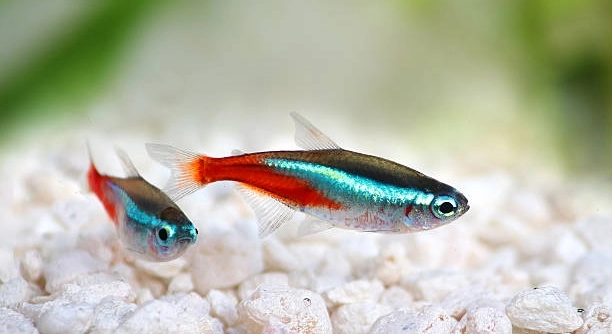
Tetras are popular aquarium fish known for their bright colors and peaceful nature. Sometimes, these small fish stop eating, which can worry their owners. Understanding why this happens can help keep your fish healthy and happy.
Tetras may refuse to eat due to several common causes such as poor water quality, stress from changes in their environment, illness, improper diet, or tank mates disturbing their comfort. Identifying and addressing these factors is crucial for their wellbeing.
Knowing the reasons behind a tetra’s loss of appetite can help you take the right steps to care for them properly and avoid bigger health problems.
Poor Water Quality
Water quality is one of the most important factors affecting your tetra’s appetite. If the water is dirty or contains harmful chemicals, your fish may stop eating. High levels of ammonia, nitrites, or nitrates can stress tetras and make them sick. Even a sudden change in water temperature or pH can cause discomfort. It’s important to test your tank water regularly using a reliable kit. Performing routine water changes helps maintain a clean environment. Also, avoid overfeeding, as leftover food can pollute the water quickly. Clean tanks with stable water conditions promote healthy fish and encourage normal feeding behavior. If water quality is poor, your tetra might hide and refuse food until conditions improve.
Monitoring water parameters like ammonia, nitrites, and pH can prevent feeding problems and keep your tetra comfortable.
Keeping water clean and stable ensures your tetra feels safe enough to eat regularly. Simple maintenance avoids many health issues and feeding refusals caused by water stress.
Stress from Environment Changes
Stress can significantly impact your tetra’s eating habits. Moving your fish to a new tank or rearranging decorations might unsettle them. Sudden loud noises or frequent disturbances near the aquarium can also cause stress. Tetras prefer calm, stable surroundings. When stressed, they often hide and avoid food. Tank mates that are aggressive or too active may intimidate tetras, leading to loss of appetite. Providing plenty of hiding spots and plants can help your tetra feel secure. Keeping a consistent light cycle and avoiding sudden changes will reduce stress. Understanding your tetra’s sensitivity to its environment helps prevent feeding issues. Reducing stressors creates a peaceful tank that encourages regular eating.
Stress from changes or disturbances can make tetras shy away from food until they adjust or the environment calms.
To help your tetra eat well, maintain a stable tank environment with gentle companions and plenty of shelter. This reduces stress and supports healthy feeding habits.
Illness or Parasites
Illness is a common reason why your tetra might refuse to eat. Signs like lethargy, clamped fins, or unusual spots can indicate health problems. Parasites can also affect their appetite and overall wellbeing.
If your tetra is sick, it may stop eating to conserve energy. Common illnesses include bacterial infections, fungal diseases, and parasitic infestations. These conditions often result from poor tank hygiene or stress. Treating the water and isolating sick fish can prevent spread to others. Medications are available, but proper diagnosis is essential. Always observe your fish closely for changes in behavior or appearance. Early intervention helps restore health and appetite more quickly.
Quarantining new fish before adding them to the main tank reduces the risk of introducing illness. Maintaining cleanliness and stable conditions supports your tetra’s immune system. A healthy fish is more likely to eat regularly and thrive in its environment.
Improper Diet
An improper diet can cause your tetra to lose interest in food. Feeding the wrong type or size of food might lead to refusal. Variety and nutrition are important for their health.
Tetras need a balanced diet that includes high-quality flakes, pellets, and occasional live or frozen foods like brine shrimp or daphnia. Overfeeding or offering only one type of food can make them bored or sick. Small, frequent feedings are better than large meals to avoid waste and maintain water quality. Make sure the food is appropriate for their size to prevent choking or digestion issues. Introducing new foods slowly helps tetras adjust and prevents refusal.
Providing a varied and nutritious diet supports your tetra’s appetite and overall health. Paying attention to feeding habits and food quality ensures your fish stay interested in eating and grow strong.
Tank Mates Causing Stress
Aggressive or overly active tank mates can make your tetra nervous and stop it from eating. Peaceful companions help keep stress low.
Tetras are small and shy. If housed with larger or aggressive fish, they may hide and avoid food. Careful selection of tank mates promotes a calm environment and better feeding habits.
Lighting and Feeding Schedule
Inconsistent lighting or feeding times can confuse your tetra. Regular schedules help maintain their natural rhythm and appetite. Keeping the tank light on a daily timer and feeding at set times encourages your fish to eat predictably.
Overfeeding
Overfeeding can lead to uneaten food polluting the water and reducing your tetra’s appetite. Feeding small amounts and removing leftovers prevents this issue.
How can I tell if my tetra is stressed?
A stressed tetra often shows signs like hiding, swimming erratically, or staying at the bottom of the tank. It might also have clamped fins or lose its bright coloration. Watch for changes in behavior, such as less activity or refusing food. Stress usually comes from poor water quality, aggressive tank mates, or sudden environmental changes. Keeping the tank calm and stable helps reduce stress and supports normal eating habits.
What type of food is best for tetras?
Tetras do well with high-quality flakes or small pellets designed for tropical fish. They also enjoy occasional treats like live or frozen foods—brine shrimp, daphnia, or bloodworms. Offering a mix of foods ensures they get proper nutrition and keeps them interested in eating. Avoid feeding only one type of food or overfeeding, as this can cause health issues and water pollution.
How often should I feed my tetra?
Feeding your tetra once or twice a day is enough. Offer small amounts they can finish within a few minutes. Overfeeding leads to leftover food that spoils water quality and may cause your tetra to lose interest in eating. If your fish don’t eat the food quickly, reduce the portion next time.
Can changing the tank water too often stress my tetra?
Yes, frequent or large water changes can upset your tetra. Sudden changes in water parameters like temperature or pH can stress fish and reduce appetite. It’s best to change about 20-30% of the water weekly, using water treated to remove chlorine and matched to tank temperature. This keeps conditions stable and your fish comfortable.
Why does my tetra hide and refuse food after adding new tank mates?
New tank mates can create stress or fear, especially if they are aggressive or much larger. Your tetra might hide to avoid conflict, which often leads to refusal of food. Introducing compatible, peaceful fish and providing hiding spots reduces stress and encourages normal feeding.
Is it normal for tetras to stop eating when they are about to breed?
Tetras sometimes eat less or stop eating during breeding periods. This behavior is natural as their focus shifts to spawning. Once breeding is over, their appetite usually returns. Maintaining good water quality and providing a quiet environment supports healthy breeding and feeding patterns.
How can I improve my tetra’s appetite if it refuses to eat?
Start by checking water quality and tank conditions, as poor water is a common cause of loss of appetite. Try offering a variety of foods, including live or frozen options, to stimulate interest. Reduce stress by ensuring tank mates are peaceful and provide plenty of hiding places. If your tetra still refuses food, consider consulting a vet for possible illness.
What are signs that my tetra might be sick?
Look for lethargy, faded colors, clamped fins, abnormal swimming, or spots on the body. Loss of appetite often accompanies these symptoms. Sick fish may also isolate themselves or gasp at the water surface. Early detection and treatment improve recovery chances.
Can water temperature affect my tetra’s eating habits?
Yes, tetras prefer stable water temperatures between 72°F and 78°F (22°C–26°C). If the water is too cold or too warm, their metabolism slows down, reducing appetite. Use a reliable heater and thermometer to keep the temperature steady and comfortable.
What should I do if I suspect parasites in my tetra?
If you notice signs like scratching against objects, white spots, or rapid breathing, parasites might be the issue. Quarantine the affected fish and treat with appropriate medication following package instructions. Keeping the tank clean and quarantining new fish helps prevent parasite outbreaks.
Tetras are small, lively fish that bring color and life to any aquarium. When they stop eating, it can be worrying, but many common reasons explain this behavior. Problems like poor water quality, stress, illness, or diet issues often cause a loss of appetite. By paying attention to your tetra’s environment and habits, you can usually find the cause and help your fish return to healthy eating. Taking care of the basics—clean water, calm surroundings, and proper food—goes a long way in keeping your tetras happy and active.
It is important to regularly check your tank’s water parameters because fish are very sensitive to changes. Even small fluctuations in temperature, pH, or chemicals like ammonia can affect your tetra’s health and appetite. Also, stress caused by loud noises, aggressive tank mates, or frequent changes to the tank setup can make tetras shy and less willing to eat. Giving them a stable and peaceful space helps reduce stress and encourages them to feed normally. Remember, tetras rely on their owners to create a safe environment, so careful maintenance is key.
If your tetra refuses to eat despite a good environment, illness might be the cause. Watch for signs like dull colors, unusual swimming, or spots on their body. Illnesses and parasites require treatment, so catching problems early is important. Feeding a varied diet, including quality flakes and occasional live or frozen foods, also supports their health and interest in eating. In the end, consistent care and attention help prevent many common feeding problems. With patience and effort, your tetra can enjoy a healthy appetite and live a long, vibrant life in your aquarium.

Hello,
If you enjoy the content that we create, please consider saying a "Thank You!" by leaving a tip.
Every little bit helps us continue crafting quality advice that supports the health, happiness, and well-being of pets around the world, for pets of all shapes, sizes, and species.
We really appreciate the kindness and support that you show us!