
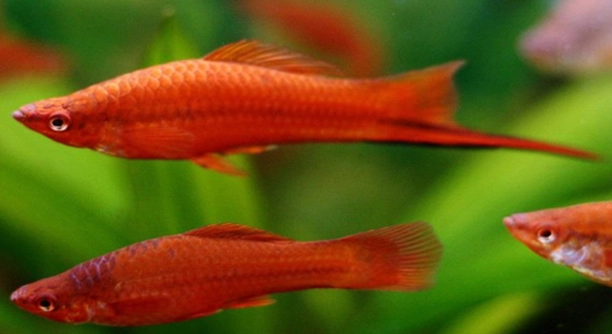
Swordtails are popular fish known for their vibrant colors. If you’ve noticed that your swordtail is losing its bright hues, it can be concerning. Understanding the possible causes of this color change can help you maintain the health of your fish.
The most common reason why your swordtail is losing color is due to environmental stress, poor water quality, or inadequate diet. Factors such as fluctuating water temperature, high ammonia levels, or a lack of proper nutrition can contribute to fading colors.
By taking a closer look at your swordtail’s environment and diet, you can address the issues that may be affecting its appearance. With the right care, your fish will be able to regain its vibrancy.
Poor Water Quality
Water quality plays a major role in the health and appearance of your swordtail. If the water in the tank is dirty or unbalanced, it can cause stress to the fish. High levels of ammonia or nitrites, often from decaying food or fish waste, are harmful. These toxins can lead to a pale or dull color. Swordtails thrive in clean, well-filtered water. Regular water changes are essential to keep their environment safe and healthy. Without proper water maintenance, the fish’s colors may fade as a result of the stress caused by these poor conditions.
The first step in improving water quality is testing the water regularly. A water test kit can help you monitor ammonia, nitrite, and nitrate levels. Keeping these levels in check is vital for the health of your swordtail.
Additionally, a good filtration system will remove waste and debris, keeping the water cleaner longer. By maintaining the water quality, your swordtail can recover its vibrant colors. Regularly cleaning the tank and using high-quality filters will prevent color loss due to poor water conditions.
Diet and Nutrition
Swordtails need a balanced diet to stay healthy and colorful. If their diet lacks essential nutrients, they may lose their vibrant color. A varied diet that includes high-quality flakes, pellets, and occasional live food can help keep them in good health. Make sure to feed them enough without overfeeding, as excess food can pollute the water.
Stress
Stress is a major factor that can cause swordtails to lose their color. Sudden changes in their environment, such as temperature fluctuations or overcrowding, can create unnecessary stress. A stressed swordtail may become pale or show signs of illness. Avoiding stress is key to maintaining their bright appearance.
To reduce stress, provide a stable environment with consistent water temperature and good tank mates. Swordtails should not be kept in tanks that are too small, as limited space can create tension between fish. Monitoring their behavior for signs of distress can also help you address stress early on.
Additionally, avoid frequent tank rearrangements. Swordtails like a bit of consistency and may become stressed if their environment constantly changes. If you notice your swordtail hiding or swimming erratically, it might be stressed due to its surroundings. Adjusting conditions as needed can help your fish feel more secure and keep its colors vivid.
Genetics
Sometimes, your swordtail may lose color due to its genetic makeup. Certain genetic traits can cause variations in color intensity. These fish might naturally have more muted or pale colors, regardless of the care provided. Understanding your fish’s genetic background can give you insight into its color changes.
Swordtails, especially those bred for specific traits, may lose color if they are from a lineage with weak pigmentation. These fish may have vibrant colors at birth but may fade as they mature. While it’s not always preventable, selecting swordtails from reputable breeders with strong genetics can help maintain their color over time. If you notice consistent fading, it may be a sign of genetic limitations.
It’s important to accept that not all swordtails will retain their brightest hues forever. Genetics play a key role, and some fish may simply have less intense colors due to their breeding. In these cases, adjusting water quality, diet, and environment can still support their overall health, but it may not bring back their original vibrancy.
Temperature Fluctuations
Fluctuations in water temperature can negatively affect your swordtail’s color. When the water becomes too warm or too cold, it can stress the fish and cause color loss. Swordtails prefer a stable temperature range of around 72°F to 78°F.
Sudden shifts in temperature can trigger stress responses in swordtails. Keeping a consistent temperature will prevent this and help maintain their natural vibrancy. Invest in a reliable heater and thermometer to monitor the temperature. Avoid placing your tank near heaters or air conditioning units, as they can cause temperature swings.
Illness
Illness is another factor that can lead to color loss in swordtails. If your fish is sick, it may lose its vibrant colors due to the physical toll of fighting an infection. Pay attention to symptoms like lethargy, abnormal swimming patterns, or changes in appearance.
Infected swordtails can become pale, and their fins may appear ragged. To prevent this, quarantine sick fish to avoid spreading diseases to the rest of the tank. Additionally, maintaining clean water and a healthy diet will strengthen your swordtail’s immune system, making it less likely to become ill.
FAQ
Why is my swordtail’s color fading?
Color fading in swordtails can happen due to several factors. Poor water quality, stress, diet, or even genetics can cause your fish to lose its vibrant color. Water that is dirty or has high ammonia levels stresses the fish, leading to pale colors. Likewise, inadequate nutrition or a lack of variety in their food can cause them to lose their brightness. If the swordtail is under stress from other tank mates or environmental changes, this can also lead to color loss. Lastly, some fish naturally have less intense colors based on their genetics.
How do I know if my swordtail is stressed?
Stress in swordtails can manifest in several ways. You may notice them hiding more than usual, swimming erratically, or even refusing to eat. They may also display signs of aggression or appear more lethargic than normal. Stress can be caused by overcrowding, sudden changes in water parameters, or an aggressive tank mate. Providing a stable environment, with consistent water conditions and enough space for each fish, can help reduce stress and restore your swordtail’s color.
Can a poor diet cause my swordtail to lose color?
Yes, a poor diet is one of the leading causes of color loss in swordtails. Swordtails require a balanced diet, including a variety of high-quality flakes, pellets, and occasional live or frozen foods. A lack of essential nutrients, such as carotenoids (which enhance red and orange colors), can make their colors fade. Overfeeding or feeding too much of one type of food, like only flakes, can also lead to nutritional deficiencies. Offering a well-rounded diet will help maintain your fish’s bright colors and overall health.
What’s the best water temperature for swordtails?
Swordtails thrive in water temperatures ranging from 72°F to 78°F. If the temperature fluctuates too much, it can stress the fish and cause color fading. Too cold or too hot water can affect their metabolism and immune system, weakening their health and causing their colors to dull. Maintaining a stable temperature with the help of a reliable heater is essential for keeping your swordtail’s color vibrant.
Can I use medications if my swordtail is losing color?
Medications can be helpful if your swordtail is losing color due to illness or infection. However, you should only use medications when necessary and after diagnosing the issue. Overuse of chemicals can stress your fish, potentially causing further damage. If you suspect your swordtail has an infection, isolate it in a quarantine tank and use medications as directed. Be sure to follow the instructions carefully to avoid harming your fish. Preventing illness through good water quality and diet is the best way to avoid needing medications.
Can the tank size affect my swordtail’s color?
Yes, tank size can impact your swordtail’s color. Swordtails need enough space to swim freely, and if the tank is too small, they may become stressed and lose color. Overcrowding can lead to poor water quality, which contributes to color fading. Providing at least 20 gallons for a small group of swordtails will ensure they have enough space to thrive. A larger tank also makes it easier to maintain water quality, further helping to preserve the color and health of your fish.
How often should I change the water to keep my swordtail vibrant?
Water changes are crucial to maintaining good water quality and keeping your swordtail’s color intact. It’s recommended to change 20-25% of the water every week. Regular water changes remove waste, excess nutrients, and toxins that can stress your fish. Consistent maintenance of your tank helps prevent water quality issues like high ammonia, which can contribute to fading colors. Make sure to use a good water conditioner to remove chlorine or chloramine before adding fresh water.
Will adding more plants help my swordtail?
Yes, adding live plants to your tank can help improve your swordtail’s health and color. Plants help maintain water quality by absorbing excess nutrients and providing oxygen. They also offer hiding spots for your fish, which can reduce stress and help them feel more secure. Swordtails naturally enjoy swimming in a more natural, plant-filled environment. Healthy plants can enhance the beauty of the tank, complementing the vibrant colors of your fish.
Can genetics cause my swordtail to lose color?
Genetics can be a significant factor in color loss. Swordtails, like many other fish, inherit traits from their parents. Some swordtails may naturally have duller colors due to their genetic background, even if they’re well cared for. If you’ve noticed that your fish’s colors have always been muted, it might be related to their lineage. While you can’t change their genetics, selecting swordtails from healthy, vibrant parents can help you ensure brighter fish in the future.
How can I help my swordtail regain its color?
To help your swordtail regain its color, focus on improving water quality, adjusting the diet, and minimizing stress. Start by ensuring your tank has clean, filtered water and consistent temperature. Feed your fish a variety of foods, including those rich in carotenoids, like spirulina or red-pigmented food. Finally, monitor the tank for any sources of stress, such as aggressive tank mates or overcrowding, and make adjustments as needed. With time and proper care, your swordtail can regain its color.
Final Thoughts
Maintaining a swordtail’s vibrant colors requires consistent care and attention. While there are many factors that can cause a swordtail to lose its color, the most common reasons are poor water quality, stress, and an unbalanced diet. Addressing these areas can make a big difference in keeping your swordtail healthy and colorful. Regular water changes, maintaining a stable environment, and offering a varied and nutritious diet are essential steps in preserving the health and vibrancy of your fish.
Genetics also play a role in the color of your swordtail, so it’s important to be mindful of the fish’s background when selecting a new one. While you can’t change their genetic makeup, you can still improve their living conditions, which can help bring out their natural colors. Additionally, if your swordtail is losing color due to illness or stress, it’s crucial to quickly identify and resolve the issue. A healthy tank environment with plenty of hiding spaces, proper filtration, and temperature control can go a long way in reducing stress and supporting your fish’s overall well-being.
In the end, swordtails are hardy and adaptable fish, but they still require the right care to keep them at their best. By monitoring their water conditions, providing a balanced diet, and keeping stress levels low, you’ll be setting your swordtail up for a long, healthy life. While some color loss is natural over time, taking these steps will help prevent rapid or drastic fading, allowing your fish to maintain its beautiful appearance for as long as possible.

Hello,
If you enjoy the content that we create, please consider saying a "Thank You!" by leaving a tip.
Every little bit helps us continue crafting quality advice that supports the health, happiness, and well-being of pets around the world, for pets of all shapes, sizes, and species.
We really appreciate the kindness and support that you show us!