
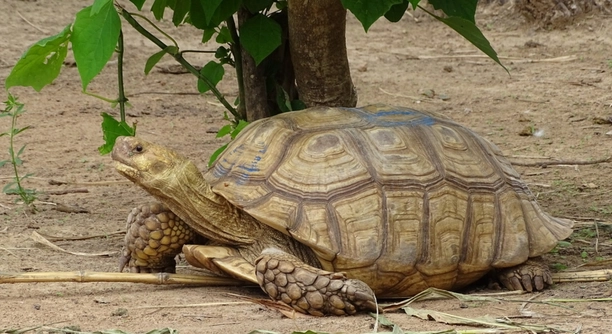
Your Sulcata tortoise’s shell can sometimes feel rough, and it might be a bit concerning if you’re unsure why. Understanding the causes behind this texture is important for keeping your pet healthy and happy.
The roughness of a Sulcata tortoise’s shell can result from several factors, including poor diet, dehydration, environmental conditions, or a lack of proper care. Regular maintenance of its living space and nutrition is key to promoting a smoother shell.
There are many factors at play when it comes to your tortoise’s shell. Learning what could be affecting it will help you provide better care and address any potential issues.
Poor Diet and Nutrition
A balanced diet is essential for the overall health of your Sulcata tortoise, and it plays a significant role in the condition of its shell. A lack of proper nutrients, especially calcium and vitamin D3, can lead to rough, uneven shell growth. These nutrients are crucial for maintaining strong and smooth shells. In the wild, Sulcata tortoises graze on various plants, but in captivity, it’s easy to miss out on the right variety of foods. Offering a diet that includes leafy greens, grasses, and calcium supplements can help improve the texture of the shell.
If your tortoise isn’t getting enough of these nutrients, its shell can become brittle and rough over time. This is why it’s essential to pay attention to its diet. A diet low in calcium or vitamin D3 may cause shell deformities, making it feel rough to the touch.
Providing the right nutrients is not just about feeding your tortoise, but also making sure the food is fresh and safe. Foods such as kale, dandelion greens, and clover are excellent choices for a tortoise. Calcium supplements, especially those with vitamin D3, are also important if your pet isn’t getting enough exposure to sunlight. This will help maintain the smoothness of the shell and keep your tortoise healthy.
Dehydration
Dehydration can also affect your Sulcata’s shell texture. When your tortoise doesn’t drink enough water, its body becomes dehydrated, leading to poor shell health. The lack of moisture can cause the shell to feel rough and dry.
A Sulcata tortoise may not always drink water if it’s not provided properly. You should offer water in a shallow dish that’s large enough for your tortoise to soak in. Regular soaking can prevent dehydration, especially if your tortoise isn’t actively drinking from its dish. Additionally, it helps the shell stay hydrated and smooth.
Providing a consistent supply of fresh water and offering a soak a few times a week can make a big difference. This will not only support shell health but also improve digestion and prevent constipation, making your tortoise feel more comfortable in its habitat. Regular soaking is a simple yet effective method to keep your tortoise hydrated and its shell in good condition.
Inadequate UVB Exposure
Sulcata tortoises need proper UVB lighting to produce vitamin D3, which is essential for calcium absorption. Without it, their shells may become rough and unhealthy. Providing UVB light in their habitat ensures they get the necessary radiation for bone and shell health.
If your tortoise isn’t exposed to natural sunlight, you need a UVB bulb in their enclosure. These bulbs mimic the sun’s rays and support vitamin D3 production. The light should be positioned close to your tortoise but not too close to cause discomfort. A lack of UVB can lead to poor shell development, causing roughness and irregular growth patterns.
Ensure the UVB light is replaced every 6 to 12 months, even if it still appears to be working. Over time, the intensity of the UVB rays decreases, which could negatively impact your tortoise’s health. Regular exposure to UVB light can prevent these issues and promote a smooth, healthy shell for your Sulcata.
Improper Temperature
Temperature plays a vital role in the health of your Sulcata tortoise, especially for its shell. A habitat that is too cold can slow down its metabolism and lead to poor shell growth. A consistent, warm environment is crucial for their wellbeing.
The temperature in your tortoise’s enclosure should range between 85-95°F (29-35°C) during the day, with a slight drop at night. If the temperature is too low, your tortoise won’t digest food properly, and its shell can suffer from slow, unhealthy growth. Shell issues can occur when a tortoise is unable to properly process its food or absorb nutrients.
Providing a heat source, such as a basking light, will help regulate your tortoise’s temperature. Ensuring the enclosure is kept at the proper temperature will promote overall health, making the shell smoother and the tortoise more active. Keeping track of the temperature is essential to avoid the effects of improper conditions.
Shell Rot
Shell rot can cause roughness and irregularities in the texture of your Sulcata tortoise’s shell. This condition is usually caused by prolonged exposure to wet, dirty environments, leading to bacterial or fungal infections. It’s crucial to keep the tortoise’s habitat clean and dry to prevent rot.
If left untreated, shell rot can worsen and lead to further damage to the shell. You may notice soft spots, discoloration, or a foul smell coming from the shell. Cleaning the shell with mild antiseptic and taking the tortoise to a vet is necessary to treat the condition.
Lack of Exercise
A lack of exercise can contribute to the roughness of your tortoise’s shell. Tortoises need space to move around and roam, and restricted movement can affect the overall condition of their shell. Regular exercise promotes healthy shell growth.
Sulcata tortoises need space to walk and forage. Without sufficient room, the shell may not grow properly, leading to rough or uneven patches. Offering a larger enclosure or time outdoors can help improve your tortoise’s health and encourage smoother shell growth. Proper exercise supports their overall well-being.
FAQ
How can I tell if my tortoise’s shell is healthy?
A healthy Sulcata tortoise shell is smooth, hard, and even in texture. It should not have any soft spots, cracks, or discoloration. If you notice rough patches, uneven growth, or changes in color, it may indicate that something is wrong, such as poor diet, dehydration, or a lack of UVB exposure. Regularly checking the shell for any abnormalities will help you catch potential issues early.
Can a rough shell be fixed?
Yes, a rough shell can be improved by addressing the underlying cause. If the roughness is due to dehydration, lack of proper nutrition, or inadequate UVB exposure, adjusting these factors can lead to a smoother shell over time. However, if the shell is severely damaged or showing signs of rot or infection, seeking veterinary help is necessary to properly treat the issue. Consistent care, proper diet, and a suitable environment will help your tortoise’s shell become smoother and healthier.
What is the best diet for my Sulcata tortoise to improve its shell?
To improve your tortoise’s shell health, provide a diet rich in calcium, vitamin D3, and fiber. Offer leafy greens such as collard greens, dandelion leaves, and kale, along with grasses and other high-fiber plants. Calcium supplements are important to ensure strong shell growth. Avoid feeding too much fruit, as it can cause imbalances in the tortoise’s diet. You can also provide cuttlefish bone or calcium powder sprinkled on food to support proper shell development.
How often should I soak my tortoise to prevent rough shell issues?
Regular soaking helps keep your Sulcata tortoise hydrated and supports overall shell health. You should soak your tortoise once or twice a week in warm water. This helps prevent dehydration, softens the shell, and encourages healthy shedding. Make sure the water level is shallow enough for the tortoise to stand but deep enough for it to soak comfortably. Soaking can also improve digestion and help your tortoise stay more active.
What temperature should I keep my tortoise’s enclosure to ensure a smooth shell?
Maintaining the right temperature is crucial for your tortoise’s health, including the condition of its shell. The daytime temperature should range from 85-95°F (29-35°C). At night, it can drop slightly, but never below 70°F (21°C). If the enclosure is too cold, your tortoise’s metabolism may slow down, affecting digestion and shell growth. Provide a basking spot with a heat lamp to ensure your tortoise stays warm enough to thrive.
Can UVB lighting really make a difference in my tortoise’s shell health?
Yes, UVB lighting plays a critical role in the health of your Sulcata tortoise’s shell. UVB rays help your tortoise produce vitamin D3, which is essential for calcium absorption. Without adequate UVB light, your tortoise may develop weak, rough, or misshapen shell growth. Providing a proper UVB bulb in the enclosure can prevent these issues and support overall shell health. Be sure to replace the bulb regularly, as its effectiveness decreases over time.
What can I do if my tortoise’s shell has soft spots?
Soft spots on your tortoise’s shell can be a sign of calcium deficiency, dehydration, or improper UVB exposure. To address this, you should improve the tortoise’s diet by offering calcium-rich foods and supplements, ensure it gets enough UVB light, and maintain proper hydration. If soft spots persist or worsen, it’s important to consult a veterinarian for a professional evaluation. In some cases, soft shell areas can indicate a serious issue, like shell rot, which requires prompt medical attention.
Is it okay if my tortoise has a slightly rough shell?
A slightly rough shell is generally normal, especially if your tortoise is older, as natural wear and tear can occur. However, significant roughness, especially if accompanied by changes in color or cracks, can be a sign of an underlying problem. If the roughness seems to be affecting the tortoise’s overall health or is worsening over time, you may need to adjust its care routine, such as improving its diet, hydration, or UVB exposure.
What can I do to prevent shell rot in my tortoise?
To prevent shell rot, it’s essential to keep your tortoise’s living environment clean and dry. Remove waste from the enclosure regularly, and ensure that the substrate is dry to avoid excess moisture, which can promote bacterial or fungal infections. If your tortoise enjoys soaking, ensure that it’s done in clean water and not left in damp, dirty conditions. Regularly inspect your tortoise’s shell for signs of rot, such as soft spots, foul smells, or discoloration, and address any issues promptly.
Can shell roughness be a sign of an infection?
Yes, shell roughness can sometimes be a sign of an infection. Shell rot, which is caused by bacterial or fungal infections, can lead to the shell becoming soft, discolored, and rough. If your tortoise’s shell is not only rough but also has spots that seem to be deteriorating or smells bad, it may indicate an infection. Seek immediate veterinary care to prevent the infection from spreading. Early treatment is key to ensuring that your tortoise recovers fully and avoids further damage to its shell.
How long does it take to improve the roughness of my tortoise’s shell?
Improving the roughness of your tortoise’s shell can take time, as it depends on the cause of the issue. If the roughness is due to diet or dehydration, improvements can be seen within a few weeks to a couple of months, as long as the appropriate changes are made. However, if the cause is an infection or other medical condition, recovery may take longer and require professional treatment. Consistency in care and patience is important to help your tortoise regain a smooth, healthy shell.
Final Thoughts
Taking care of your Sulcata tortoise’s shell involves a combination of factors, including proper diet, hydration, UVB lighting, and temperature. When one of these factors is out of balance, it can lead to rough or unhealthy shell growth. By providing the right environment, you can help your tortoise develop and maintain a smooth, strong shell. This will not only improve its appearance but also support its overall health and well-being.
Remember, consistency is key. Regularly check your tortoise’s shell for any signs of roughness, soft spots, or discoloration. A healthy tortoise should have a shell that is hard, smooth, and free from damage. If you notice any changes or issues, address them as soon as possible. Adjusting your tortoise’s diet, hydration, and living conditions will often lead to noticeable improvements. Sometimes, professional care from a veterinarian is necessary, especially if the roughness is caused by a more serious issue, such as shell rot or an infection.
Ultimately, taking small steps every day can make a big difference in your tortoise’s shell health. Whether it’s offering a variety of foods, ensuring proper UVB exposure, or keeping their habitat clean and at the right temperature, these efforts will support your Sulcata tortoise’s long-term health. A healthy shell is a sign of a well-cared-for tortoise, and by paying attention to their needs, you can help them thrive for many years to come.

Hello,
If you enjoy the content that we create, please consider saying a "Thank You!" by leaving a tip.
Every little bit helps us continue crafting quality advice that supports the health, happiness, and well-being of pets around the world, for pets of all shapes, sizes, and species.
We really appreciate the kindness and support that you show us!