
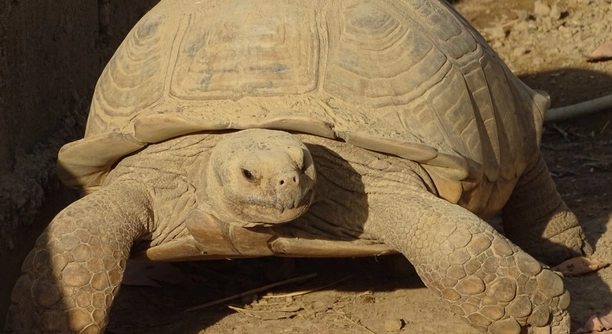
If you own a Sulcata tortoise, you may notice it attempting to climb walls. This behavior might seem puzzling, but there are a few reasons behind it that can be easy to address.
The main reason your Sulcata tortoise tries to climb walls is due to its natural curiosity and desire for exploration. These tortoises are known for their strong instinct to roam, and they may see walls as obstacles they want to overcome.
There are various factors that contribute to this behavior. Understanding why your Sulcata tortoise climbs walls can help ensure it stays happy and healthy.
Natural Curiosity and Exploration
Sulcata tortoises are naturally curious animals. In the wild, they have large areas to roam, which keeps them active and engaged. In captivity, when confined to smaller spaces, they may try to climb walls as a way of exploring their environment. They instinctively search for new places to explore, which can include any barrier that stands in their path. This behavior is just a reflection of their desire to experience more space. When they’re housed in a small enclosure, the walls may seem like something to conquer.
While this climbing behavior is normal, it’s important to ensure their living space is comfortable and safe. A secure, enriching environment can help reduce the urge to climb. Providing enough room for them to roam, along with hiding spots and different textures, can make a big difference.
As a pet owner, making sure the walls aren’t too high is essential. If the tortoise is continually trying to climb, it might indicate a need for more stimulation or a larger space. By addressing these needs, you’ll help reduce climbing behaviors over time.
Lack of Enrichment
Sometimes, the lack of stimulation in the enclosure leads your tortoise to climb. Without things to interact with, such as toys, plants, or structures, they may focus on trying to escape.
A Sulcata tortoise that is bored can start looking for ways to leave its space. Climbing walls is one way to satisfy this need for activity. It’s a signal that the enclosure might not be offering enough mental or physical stimulation.
Adding items like rocks, branches, or tunnels can help keep your tortoise entertained and provide a more enriched environment. Tortoises need mental and physical challenges to feel satisfied and active. Without them, climbing may be their way of seeking something to do. Keep your tortoise engaged by offering new activities. Regularly changing the enclosure setup can prevent boredom.
Temperature and Environmental Stress
If your Sulcata tortoise is trying to climb walls, temperature could be a factor. These tortoises need warm environments to thrive. If the enclosure is too cold, they may become restless and attempt to find a more comfortable place. Cold temperatures can make them feel stressed or uncomfortable, leading to unusual behaviors.
Inadequate heat or fluctuating temperatures can affect your tortoise’s health and activity levels. Ensure your tortoise has a proper heat source, such as a basking light or heating pad, and maintain a consistent temperature. Cold stress may also make them less active, causing them to search for warmth by climbing or trying to escape their enclosure.
Check that your enclosure has a gradient, offering both warm and cooler areas. This allows your tortoise to regulate its body temperature naturally. If the environment is consistently too cold, consider adjusting the heat source or providing additional methods to keep the area warm. A stable and comfortable environment will reduce stress and climbing behavior.
Desire for Mating or Hormonal Changes
During mating season, Sulcata tortoises can exhibit climbing behaviors due to hormonal changes. Males, in particular, may climb to assert dominance or seek out a mate. This instinct is deeply rooted in their nature, and it can lead to climbing walls if they detect signs of another tortoise nearby or if they’re simply looking for a mate.
If your tortoise is a male, climbing could be a part of its mating ritual. Even if no other tortoise is present, it may still try to climb as a sign of dominance or territorial behavior. This can be more noticeable during the breeding season when hormones are high.
Understanding this behavior can help you distinguish between normal climbing and signs of stress or discomfort. If you do not plan to breed your tortoise, spaying or neutering might reduce these behaviors. The need to climb walls could lessen once the tortoise feels more secure and calm without the urge to mate.
Inadequate Space
Sulcata tortoises are large creatures, and they need plenty of space to roam. If their enclosure is too small, they may try to climb walls in an effort to escape or find more room. This behavior is a sign they’re not getting enough space to move freely.
A cramped environment can lead to frustration and stress. Sulcatas are natural explorers, and they will try to climb to explore areas beyond their enclosure if they feel confined. The walls act as a barrier, causing them to instinctively look for ways to break free and move around more.
Make sure your tortoise has a spacious enclosure with plenty of room to roam, burrow, and explore. Giving your Sulcata more space can help reduce climbing attempts and provide a healthier living situation.
Lack of Proper Hiding Spots
Tortoises feel safer when they have a place to retreat and hide. Without proper hiding spots, your Sulcata may feel exposed and vulnerable, leading to climbing behavior. Providing hiding places can help your tortoise feel more secure in its environment.
Sulcata tortoises tend to be shy, and without hiding spots, they may attempt to climb walls in search of a place where they can feel safe. Offering a small shelter or a hiding spot can reduce stress and give them a sense of security.
Overfeeding or Inactivity
Overfeeding can lead to excess energy in your tortoise, especially if it’s not getting enough activity. A well-fed tortoise with no outlet for its energy may begin to climb walls in search of something to do. It’s essential to keep your tortoise active and prevent overfeeding.
FAQ
Why is my Sulcata tortoise climbing the walls?
Your Sulcata tortoise may be climbing the walls due to a variety of reasons, including curiosity, a lack of enrichment, or inadequate space. These tortoises are naturally inclined to explore their environment, and when confined to a small space, they often try to climb out. Adding enrichment items like rocks or logs and ensuring the enclosure is large enough can help address this behavior.
Can cold temperatures make my Sulcata tortoise climb?
Yes, cold temperatures can cause your Sulcata tortoise to climb walls. Tortoises need warmth to stay active and healthy, and if the enclosure is too cold, they may try to find a more comfortable spot. It’s important to provide proper heat sources, such as a basking light or heat pad, and maintain a stable temperature in their habitat to avoid climbing caused by cold stress.
How can I stop my Sulcata tortoise from climbing the walls?
To prevent your Sulcata tortoise from climbing, make sure its enclosure is spacious enough for it to move around freely. Also, offer plenty of enrichment, such as hiding spots, rocks, and branches, so it has activities to keep it busy. Maintaining a comfortable temperature and avoiding overfeeding can also reduce climbing behavior.
Is it normal for my Sulcata tortoise to climb when it’s looking for a mate?
Yes, climbing can be a normal behavior, especially during the breeding season. Male Sulcata tortoises, in particular, may climb as part of their mating ritual or to assert dominance. If you don’t intend to breed your tortoise, spaying or neutering may help reduce these behaviors.
How do I know if my tortoise is climbing due to boredom?
If your Sulcata tortoise is climbing the walls, it could be a sign of boredom. Tortoises are naturally curious, and without enough stimulation or space, they will often resort to climbing to satisfy their need for exploration. Make sure the enclosure offers enrichment like rocks, plants, or tunnels to keep your tortoise engaged and prevent boredom-induced climbing.
Do Sulcata tortoises climb to escape?
Yes, Sulcata tortoises may climb walls to escape if their environment feels too small or uncomfortable. These tortoises are strong and persistent, so if they feel confined, they may try to climb out in search of a better space. Make sure your enclosure is large enough for them to roam freely and comfortably.
Can hormonal changes cause climbing behavior in my Sulcata tortoise?
Hormonal changes, particularly during the breeding season, can cause climbing behavior in Sulcata tortoises. Male tortoises are more likely to climb as they seek mates or try to assert dominance. This is a natural part of their behavior, but if breeding isn’t your goal, you may consider adjusting their environment or consulting a vet about spaying or neutering.
Should I increase the size of the enclosure to stop my Sulcata from climbing?
Yes, increasing the size of your Sulcata tortoise’s enclosure can help reduce climbing. These tortoises require a lot of space to roam and explore. A larger enclosure will provide enough room for your tortoise to be active and help prevent the frustration that leads to climbing. Additionally, ensure there are no sharp edges or surfaces that could harm your tortoise if it tries to climb.
How can I tell if my tortoise is stressed and climbing due to discomfort?
If your Sulcata tortoise is climbing and exhibiting other signs of stress—like loss of appetite, unusual aggression, or hiding excessively—it could be trying to escape discomfort in its environment. Factors like improper temperature, inadequate space, or a lack of hiding spots can cause stress. Make sure the enclosure is appropriately set up to ensure comfort and reduce stress.
Can overfeeding cause my Sulcata tortoise to climb?
Overfeeding can lead to excess energy in your Sulcata tortoise. If it doesn’t have enough space or activity to burn off that energy, climbing may become a way for it to release that pent-up energy. It’s important to maintain a balanced diet and encourage regular activity, such as adding climbing structures or varied textures to the enclosure to keep your tortoise engaged.
Final Thoughts
Sulcata tortoises are fascinating creatures, known for their curiosity and strong instincts to explore. If your tortoise is trying to climb the walls of its enclosure, it is usually trying to meet a basic need, whether that’s seeking space, exploring, or dealing with environmental stress. Understanding these behaviors is key to creating a better living environment for your tortoise. Ensuring that it has enough room, proper temperature, and enrichment can go a long way in preventing climbing behavior. By addressing these factors, you can help reduce the likelihood of this behavior and ensure your tortoise is comfortable and happy.
Providing your Sulcata with a larger enclosure or more engaging activities can greatly improve its quality of life. Tortoises are naturally curious, and if they feel cramped or bored, they will likely look for ways to escape. Adding items like rocks, branches, and hiding spots can keep them entertained and mentally stimulated. This also helps to mimic their natural environment, which is essential for their well-being. It’s also important to make sure your tortoise’s enclosure has a good heat source and stable temperature. A cold environment can make your tortoise uncomfortable, leading to climbing as it searches for warmth.
Lastly, keep in mind that climbing could be a sign of other underlying issues, such as hormonal changes or stress. If you notice excessive climbing along with other behavioral changes, it might be worth consulting a veterinarian to rule out health concerns. With a bit of attention to detail, your Sulcata tortoise can enjoy a fulfilling life in a safe and enriched environment. By understanding the reasons behind their climbing behavior and adjusting their living conditions accordingly, you can help your tortoise feel more secure, happy, and active.

Hello,
If you enjoy the content that we create, please consider saying a "Thank You!" by leaving a tip.
Every little bit helps us continue crafting quality advice that supports the health, happiness, and well-being of pets around the world, for pets of all shapes, sizes, and species.
We really appreciate the kindness and support that you show us!