
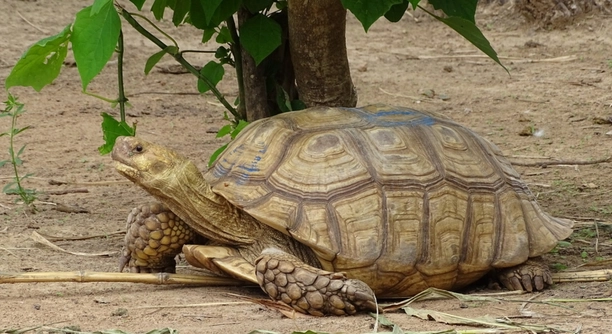
If you’ve noticed your sulcata tortoise digging constantly, it may leave you wondering what’s going on. This behavior can seem puzzling, especially when it happens frequently. Understanding the reasons behind it can help you address it effectively.
Sulcata tortoises dig for various reasons, including seeking shelter, creating a nesting area, or regulating their temperature. Additionally, digging can be a sign of stress or an attempt to escape an unsuitable environment. Identifying the cause is essential.
By recognizing the reasons behind your tortoise’s digging, you can ensure a comfortable and healthy environment. Continue reading to learn more about why this behavior occurs and how you can manage it properly.
1. Natural Instincts
Sulcata tortoises are hardwired to dig as part of their natural instincts. In the wild, they burrow to create a safe space for themselves to sleep or escape from extreme weather. This behavior is essential for their survival. When they dig, it’s usually because they are trying to create a cool and secure environment where they can rest undisturbed.
Digging is also an essential part of their routine, even in captivity. It helps them feel safe and comfortable. Without enough space or appropriate substrates, they may feel uneasy, which could lead to more digging.
If your tortoise is constantly digging, it’s important to look at their habitat. Ensuring they have enough room and the right materials for burrowing can make a significant difference in this behavior. Additionally, they may need more opportunities to explore and engage in natural behaviors, which helps reduce stress and excessive digging.
2. Temperature Regulation
Temperature control is another major reason for digging. When sulcata tortoises are too hot, they instinctively dig to find cooler ground. This helps them regulate their body temperature and avoid overheating.
In the wild, these tortoises are used to temperature shifts and can dig to cool off or find a spot out of direct sunlight. To prevent excessive digging, it’s important to provide a stable environment with appropriate heat gradients. If the basking area is too hot, your tortoise might dig to escape the heat.
Offering a proper heating setup with hot and cooler areas ensures your tortoise can regulate its temperature more easily. Be mindful of the temperature changes in their environment, especially if your tortoise is spending a lot of time in one spot digging. Providing shady, cooler places can help them feel more comfortable.
3. Stress or Anxiety
Stress or anxiety can trigger constant digging. If your sulcata tortoise feels threatened or uncomfortable in its environment, it may dig to relieve the tension. Changes in surroundings, such as loud noises, new pets, or even a new habitat, can cause this reaction.
When a tortoise experiences stress, digging becomes a way to seek comfort. They may try to hide or find a safe spot, thinking they’re protecting themselves. It’s essential to monitor their environment for anything that might be causing stress. Is there a lot of foot traffic? Are they exposed to sudden temperature changes?
To reduce stress, provide a quiet, stable space with minimal disruptions. Create a peaceful environment with ample hiding spots, so your tortoise feels safe. Be patient as they adjust, and ensure their habitat is calm and predictable to prevent excessive digging.
4. Seeking Shelter
Digging is often a way for sulcata tortoises to create shelter, especially in a confined space. In their natural habitat, they dig to make burrows for protection, whether it’s from the sun, rain, or predators.
When kept as pets, sulcata tortoises may not always have enough space to dig deep. If they feel cramped or unable to find shelter, they dig in an attempt to recreate the protection they seek. This behavior can be more noticeable in enclosures that are too small or lack sufficient hiding spots.
To prevent unnecessary digging, ensure your tortoise has a spacious habitat with enough room for burrowing. Adding natural materials like soil or sand that they can dig into will allow them to display natural behaviors.
5. Mating Behavior
When sulcata tortoises are preparing to mate, they may dig to create a proper nesting area. This is a natural instinct to prepare a place where they feel comfortable and safe. Female tortoises often dig to lay eggs, even in captivity.
During the mating season, it’s common for female tortoises to exhibit this behavior. Even if your tortoise isn’t reproducing, it might still dig due to hormonal changes. This instinctual action is part of their natural behavior and should not be immediately concerning.
Ensure their environment has space to dig and proper conditions for nesting. Providing a place with soft soil will help your tortoise feel comfortable, even if it’s not nesting season. This might reduce unnecessary digging.
6. Boredom
Boredom is another cause of excessive digging. Sulcata tortoises need mental and physical stimulation to stay healthy. Without enough to do, they may dig as a way to pass the time. Lack of variety in their habitat could make them restless.
A lack of interaction or enrichment leads to this behavior. Sulcata tortoises are active creatures and need opportunities to explore, forage, and engage with their environment. Without these, they often turn to digging as an outlet for energy.
Providing new objects to explore, a larger space to roam, or introducing plants can help keep them engaged. This reduces the likelihood of excessive digging. Consider rotating toys or changing up their habitat occasionally to keep them entertained.
FAQ
Why is my sulcata tortoise digging so much?
Your sulcata tortoise may be digging for several reasons, including instinctual behavior, temperature regulation, seeking shelter, or stress. Digging helps them find a cool, secure place to rest or hide. It is also a natural way for them to create a nesting area or escape from discomfort. If digging becomes excessive, ensure your tortoise has enough space, a proper temperature gradient, and a peaceful environment.
Can digging be a sign of illness in sulcata tortoises?
Digging is typically a normal behavior for sulcata tortoises. However, if the digging is accompanied by other signs like lack of appetite, lethargy, or abnormal behavior, it could indicate stress or an underlying health issue. Check for signs of injury, infections, or parasites that may be causing discomfort. If you’re concerned, consult a vet to rule out health problems.
How can I stop my tortoise from digging?
If your tortoise is digging excessively, start by ensuring it has a large enough space to move freely. Providing a temperature gradient, offering proper lighting, and reducing stressors in their environment can help. Enrichment activities, like toys or hiding spots, can also distract them from digging too much. If your tortoise is still digging, it may be necessary to adjust the habitat.
Does my tortoise need to dig?
Yes, digging is a natural behavior that sulcata tortoises exhibit in the wild. They dig to create shelter, regulate their temperature, and establish a nesting area. In captivity, it’s important to provide an environment that supports this behavior. While it can be managed, you shouldn’t completely stop them from digging, as it’s part of their overall well-being.
How deep should I let my tortoise dig?
Sulcata tortoises can dig fairly deep, but the depth of their digging should be safe within their enclosure. If they are trying to dig to escape or find shelter, make sure the enclosure has high sides and no gaps. Aim for a substrate that allows your tortoise to dig a few inches deep, but avoid situations where they could burrow too deeply and get stuck.
Should I be worried if my sulcata tortoise is digging at night?
If your tortoise is digging at night, it may be responding to the cooler temperatures or seeking a comfortable spot to sleep. As long as it isn’t showing signs of stress or discomfort, this behavior is generally normal. However, if your tortoise is constantly active at night, it could be a sign that it’s not receiving enough stimulation during the day. Make sure the habitat has a consistent temperature and some form of enrichment to balance day and night activities.
How can I make my tortoise’s digging behavior more manageable?
Making digging behavior more manageable involves providing a proper environment. Ensure that your tortoise has enough space, a suitable substrate like soil or sand, and adequate shelter. A stress-free, enriching environment will reduce the need for constant digging. Rotating toys or plants and offering more exploration opportunities will keep them engaged without excessive digging.
Why does my sulcata tortoise dig when it’s hot?
Sulcata tortoises dig when it’s hot to regulate their body temperature. In the wild, they dig to find cooler ground during the heat of the day. If the temperature in their enclosure gets too high, they may dig to create a cooler area. Make sure there is a proper temperature gradient in their habitat, offering both hot and cool areas where they can regulate their body temperature naturally.
Can stress cause my sulcata tortoise to dig more?
Yes, stress can increase digging behavior. Changes in the environment, loud noises, or overcrowding can cause your tortoise to feel anxious, prompting it to dig more. Other factors, like improper temperature or inadequate lighting, can also cause stress. Make sure the environment is quiet, stable, and spacious to reduce stress-induced digging.
How can I tell if my tortoise is digging because of boredom?
If your tortoise is digging because of boredom, it might not be a specific response to its immediate surroundings but rather a lack of stimulation. In this case, you may notice the digging becoming repetitive and unproductive. To address this, provide your tortoise with more things to do, such as new toys, different food items to forage, and a larger space to explore.
Should I provide my tortoise with more space to dig?
Providing more space to dig is a great idea, especially for a sulcata tortoise. They need enough room to express their natural digging behaviors. Inadequate space can lead to frustration, and more digging might occur in an attempt to find a suitable area. A larger, well-maintained enclosure will encourage your tortoise to dig naturally and safely.
Can sulcata tortoises dig through their enclosure?
Sulcata tortoises are strong diggers and may attempt to dig through or under an enclosure if they feel confined. To prevent this, ensure the walls of the enclosure are high enough and the substrate is deep enough to discourage escape attempts. Reinforcing the bottom of the enclosure with rocks or hardware cloth can also prevent digging under the sides.
Does a sulcata tortoise’s digging behavior change with age?
As sulcata tortoises grow older, their digging behavior may decrease slightly, but it will likely remain a part of their routine. Young tortoises may dig more energetically as they explore their environment, while older ones may dig more for comfort or temperature regulation. Overall, the need to dig is an instinct that doesn’t fully go away with age.
Final Thoughts
Sulcata tortoises are natural diggers, and it’s important to understand that digging is a typical behavior for them. It can happen for various reasons, such as creating a comfortable space, regulating temperature, or preparing for nesting. As long as the digging is not excessive or harmful, it’s generally nothing to worry about. The behavior is instinctual, and providing the right environment can help minimize any issues. However, if your tortoise’s digging seems out of control, it may indicate underlying problems like stress or boredom that should be addressed.
Creating an environment that suits a sulcata tortoise’s natural habits is key. Providing space to roam, a varied and enriched habitat, and the right temperature conditions will help prevent excessive digging. Offering ways to stimulate their senses through objects or food can also reduce the amount of time spent digging. While some digging is healthy, too much of it could mean that your tortoise is looking for something—whether that’s space, a more comfortable place to rest, or even a way to escape from stress. It’s important to address these needs, as a well-adjusted tortoise will have fewer behavioral issues overall.
In the end, knowing when digging is a sign of a healthy tortoise and when it might be due to an underlying issue is important. Every tortoise has different needs, so the key is paying attention to its behavior and environment. If you notice any unusual signs alongside the digging, such as loss of appetite or changes in movement, it’s best to consult with a vet. Understanding your tortoise’s needs and providing the right care will help it lead a healthy, comfortable life, with digging remaining just a part of its normal behavior.

Hello,
If you enjoy the content that we create, please consider saying a "Thank You!" by leaving a tip.
Every little bit helps us continue crafting quality advice that supports the health, happiness, and well-being of pets around the world, for pets of all shapes, sizes, and species.
We really appreciate the kindness and support that you show us!