
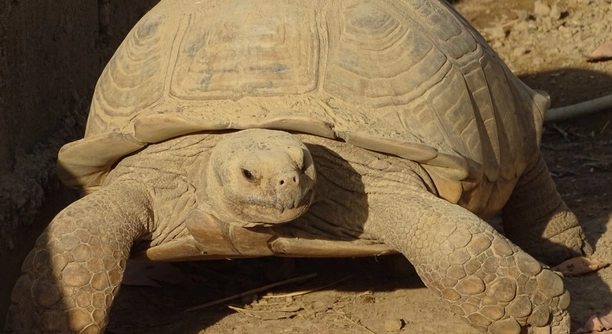
Sulcata tortoises are fascinating creatures known for their strong personalities and unique behaviors. One of the most common traits they display is their desire to escape. Understanding why this happens can help you care for your pet better.
Sulcata tortoises often try to escape due to factors such as insufficient space, environmental discomfort, or natural instincts. They are naturally inclined to roam, search for food, or find a mate, which contributes to their persistent escape attempts.
Knowing why your tortoise is constantly attempting to escape can help you prevent it and create a better habitat for them.
Lack of Space and Boundaries
Sulcata tortoises are known for their impressive size, and they need plenty of room to roam. If they feel confined in a small enclosure, they may try to escape. A lack of space can lead to frustration, causing them to seek out larger areas to explore. Even though they don’t require excessive space, they do need an area that allows them to move freely without feeling trapped.
A secure, spacious enclosure can provide them with the environment they need to feel comfortable. Tortoises will often explore their surroundings, and if they feel restricted, they’ll look for any way to break free. Consider increasing their habitat size to ensure they have enough room to move.
In the wild, these tortoises travel long distances in search of food and mates. This instinct to roam is strong in their behavior. When housed in small enclosures, they feel the need to escape and follow their natural drive. Providing a large outdoor enclosure, or a space that mimics their natural habitat, helps satisfy these instincts. It’s important to make sure your tortoise has enough room to move about comfortably and engage in natural behaviors. With proper space, the likelihood of escape attempts can be greatly reduced.
Uncomfortable Environment
Sometimes, sulcata tortoises may attempt to escape due to uncomfortable living conditions.
Incorrect temperature, humidity levels, or poor lighting can lead to behavior changes in your tortoise. These issues can cause them to feel stressed, prompting escape attempts. Proper care can minimize such problems.
Natural Instincts
Sulcata tortoises have a natural desire to explore. This instinct drives them to look for new areas to roam, whether it’s within their enclosure or beyond.
In the wild, they travel long distances to find food and mates. Even in captivity, this urge to wander is strong. The search for food or a mate can be a powerful motivator. When they encounter boundaries in their enclosure, the instinct to move beyond those limits often leads them to escape. A secure environment that allows for exploration can help minimize this behavior.
Allowing your tortoise to explore safely in a larger, enclosed space provides an outlet for these natural instincts. If their curiosity is not met with a sense of freedom, they may turn to escape as a way to satisfy this urge. Understanding this behavior helps in making sure they feel fulfilled within their habitat.
Health and Stress Factors
Stress can significantly affect a sulcata tortoise’s behavior. Unhealthy living conditions or inadequate care can lead to stress, which often manifests in escape attempts.
When a tortoise is stressed, it may try to flee from its environment, feeling threatened or uncomfortable. This can be due to improper temperatures, lack of proper hiding spots, or being overhandled. A stressed tortoise may also display other signs, like reduced appetite or lethargy.
Keeping their enclosure clean, providing proper shelter, and maintaining the correct temperature range can help minimize stress. These factors contribute to a stable environment where they feel safe, thus reducing the need to escape. A happy, healthy tortoise is less likely to seek an escape route.
Boredom
Sulcata tortoises are intelligent and active animals. Without stimulation, they may look for ways to escape out of sheer boredom.
Providing a variety of things to do in their enclosure can help prevent escape attempts. Toys, natural hiding spots, and even edible plants can keep them entertained. If they lack mental and physical stimulation, they may become restless and frustrated.
Rotating items in their environment keeps things fresh and engaging. Consider adding different textures or obstacles that encourage them to explore and forage. A lack of mental stimulation is often a major reason for your tortoise’s urge to escape. Keeping their mind busy can prevent these behaviors.
Socialization and Companionship
Sulcata tortoises can benefit from having another tortoise or animal companion. They may seek to escape if they feel isolated or lonely.
Tortoises are solitary animals by nature, but some enjoy having company, especially if they are housed alone for long periods. Social interaction, whether with other tortoises or animals, can help keep them content. This interaction can prevent the urge to escape in search of companionship.
FAQ
Why is my sulcata tortoise always trying to escape?
Sulcata tortoises often try to escape due to a combination of boredom, instinctual behavior, and environmental factors. These tortoises are naturally curious and enjoy exploring. If their enclosure lacks stimulation or proper space, they may look for ways to roam. Other reasons can include uncomfortable environmental conditions or the need to find food and mates. Ensuring the enclosure is large, safe, and filled with enrichment will help reduce escape attempts.
How can I stop my sulcata tortoise from trying to escape?
To prevent escape attempts, create a more enriching environment for your tortoise. Ensure they have a spacious, secure enclosure with plenty of areas to explore. Provide hiding spots, natural obstacles, and foraging opportunities. Regularly change their environment to keep things interesting. Also, make sure the temperature and humidity levels are optimal. Reducing stress and offering companionship can further help.
What should I do if my sulcata tortoise escapes?
If your sulcata tortoise escapes, it’s important to locate them as quickly as possible. Check around the house or yard, focusing on places where they may hide. Keep your home or yard secure to prevent future escapes. You can use fences, barriers, or specialized enclosures to ensure they remain safely inside.
Do sulcata tortoises need a companion?
While sulcata tortoises are solitary creatures by nature, some may enjoy the company of another tortoise or animal, especially if they are housed alone for long periods. However, it’s essential to monitor their interactions to ensure they don’t become aggressive. Some tortoises may feel stressed when kept with others. Consider your tortoise’s behavior and whether a companion might help reduce their urge to escape.
Can I keep my sulcata tortoise indoors?
Yes, you can keep a sulcata tortoise indoors, but they require ample space to roam and need a proper environment to thrive. If kept inside, their enclosure should be large, with an appropriate heat source, UVB lighting, and humidity levels. Indoor enclosures can help protect them from predators and extreme weather, but make sure they still get enough room to exercise and explore.
What are the best conditions for a sulcata tortoise?
Sulcata tortoises require specific environmental conditions to stay healthy. They need a warm environment, with temperatures between 85°F and 95°F during the day, and a nighttime drop to around 70°F. Provide UVB lighting to help with calcium absorption and a substrate like grass hay or sand to allow for natural digging behavior. Maintain humidity at around 50% to 60%. A secure, spacious enclosure with hiding spots and enrichment will keep them happy.
How can I make my sulcata tortoise’s enclosure escape-proof?
To make your sulcata tortoise’s enclosure escape-proof, ensure the walls are high enough that they cannot climb over, at least 18 inches tall. Use a secure fence or barrier, ensuring there are no gaps or weak points. Bury the bottom of the fence into the ground to prevent them from digging under it. For added security, consider reinforcing the corners and making sure the lid, if applicable, is secure.
How often should I feed my sulcata tortoise?
Sulcata tortoises are herbivores and should be fed daily. Their diet primarily consists of grass, hay, and leafy greens. Offer a variety of high-fiber foods, ensuring they receive a balanced diet. Occasionally, you can supplement their meals with vegetables, but avoid high-protein foods like fruits. Overfeeding can lead to obesity and other health problems, so portion control is essential.
Can I let my sulcata tortoise roam freely in my yard?
You can let your sulcata tortoise roam in your yard, but it’s essential to ensure the area is secure. Build a safe, enclosed space that prevents them from escaping and protects them from potential threats, such as predators or traffic. Make sure the yard is free from harmful plants or hazards that could harm your tortoise. Supervised outdoor time is often the best option.
How long can a sulcata tortoise live?
Sulcata tortoises have a long lifespan and can live anywhere from 50 to 100 years with proper care. This longevity is one of the reasons owning a sulcata is a long-term commitment. Ensure that you are prepared to provide for them throughout their entire lifespan, including ample space, food, and a safe environment.
How big does a sulcata tortoise get?
Sulcata tortoises are one of the largest species of tortoises. They can grow up to 30 inches long and weigh between 80 and 120 pounds as adults. It’s important to prepare for their size by providing them with a large, spacious enclosure. Be mindful of their size when considering their care and living space.
Are sulcata tortoises good pets for beginners?
Sulcata tortoises require specialized care, which may make them less ideal for beginners. They need a lot of space, proper heating and lighting, and a specific diet to stay healthy. While they can be rewarding pets, it’s essential for owners to do thorough research and prepare for the long-term care required for this species.
Final Thoughts
Sulcata tortoises are fascinating creatures that can make great pets when cared for properly. However, they require a lot of attention, space, and the right environment to thrive. Without the right care, they may display behaviors like escaping, which is often a sign of stress or boredom. It’s important to understand their needs and ensure their habitat meets those requirements. Creating a secure, engaging space will help prevent them from trying to escape and ensure their well-being.
By paying attention to their physical and mental needs, you can reduce escape attempts and provide a healthy, enriching life for your sulcata tortoise. Proper diet, temperature control, and companionship are just some factors that contribute to their overall happiness. Having a secure and spacious environment will prevent unwanted escapes and allow them to roam freely. It’s important to remember that sulcata tortoises can live for many years, so providing the right environment will not only improve their quality of life but will also make caring for them a more enjoyable experience.
In conclusion, caring for a sulcata tortoise requires dedication and careful planning. Understanding their behavior and providing an escape-proof enclosure, proper diet, and mental stimulation are key to ensuring they lead a happy life. Whether you’re new to tortoise care or experienced, creating an environment that meets their physical, social, and mental needs is essential. Taking these steps will help prevent common issues like escaping and will lead to a stronger bond between you and your tortoise over time.

Hello,
If you enjoy the content that we create, please consider saying a "Thank You!" by leaving a tip.
Every little bit helps us continue crafting quality advice that supports the health, happiness, and well-being of pets around the world, for pets of all shapes, sizes, and species.
We really appreciate the kindness and support that you show us!