
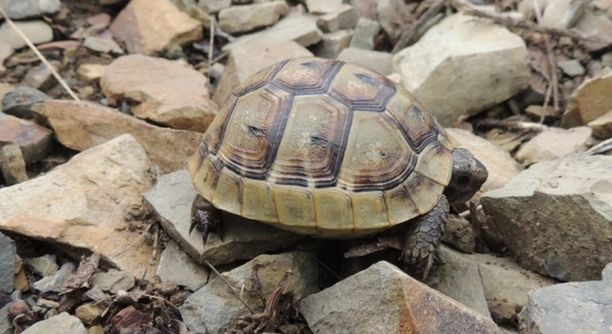
Sometimes, you may notice your Russian tortoise turning away from its greens, leaving you puzzled. This behavior can be frustrating, especially when you’re trying to provide the best diet for your pet.
There are several reasons your Russian tortoise might refuse to eat greens, including environmental factors, diet imbalance, health issues, and stress. Understanding these reasons will help you identify the cause and take appropriate action to resolve it.
Addressing these factors can improve your tortoise’s eating habits and overall well-being. We will cover potential causes and solutions to help ensure your Russian tortoise thrives with a proper diet.
Lack of Appetite Due to Temperature
Russian tortoises are cold-blooded, meaning their body temperature is regulated by their surroundings. If their environment is too cold, they may lose interest in eating. When temperatures drop below 70°F (21°C), your tortoise’s metabolism slows, causing a decrease in appetite. It is essential to keep the enclosure warm and consistent, ideally between 75°F (24°C) and 85°F (29°C). In colder conditions, your tortoise may not feel hungry enough to consume greens, even if offered a variety.
A heating lamp or heat mat can help maintain the right temperature. Make sure your tortoise has a warm area to bask and a cooler spot to retreat when it gets too hot. Pay attention to the seasonal changes, as temperatures can vary, affecting your pet’s eating habits.
If your tortoise is refusing to eat and the temperature seems to be the issue, try adjusting the heat and giving your pet some time. When the temperature is right, appetite should return.
Stress from Changes in Routine
Changes in your tortoise’s environment or routine can stress them out. Russian tortoises are creatures of habit, and disruptions like moving, rearranging their habitat, or sudden changes in diet can make them anxious. Stress can cause a loss of appetite, leading them to avoid their food.
Stress can also occur if your tortoise feels threatened or unsafe. Loud noises, new pets, or other animals in the area can make them hesitant to eat. It’s important to provide a stable, quiet, and secure environment for your pet. A stressed tortoise might need some time to adapt to these changes.
If stress is causing the refusal to eat, try to minimize disruptions. Give your tortoise time to adjust to its environment and routine. Patience is key, as it might take a while before your tortoise feels comfortable eating again. Avoid forcing food on them, as this can increase stress levels.
Illness or Health Problems
Health problems can cause your Russian tortoise to lose its appetite. Conditions like respiratory infections, parasites, or even dental issues can make eating painful or uncomfortable. If your tortoise is lethargic or shows other signs of illness, it’s important to visit a veterinarian.
A tortoise suffering from health problems may stop eating because it feels too weak or unwell. In some cases, digestive issues may arise, making it hard for your pet to consume or process food. If your tortoise’s behavior changes suddenly, or if it has visible signs of distress, get professional help immediately. It’s better to be cautious and address health concerns early.
Ignoring possible health problems may lead to more serious issues. A vet can examine your tortoise and provide the right treatment. When treated, your pet should regain its appetite and return to eating greens.
Inappropriate Diet Choices
Feeding your Russian tortoise a diet that is too high in fruits or protein can make it picky about greens. A proper balance of fiber-rich vegetables and a variety of greens is necessary for good health. Too much of the wrong food can lead to nutritional imbalances, causing your tortoise to turn away from healthy greens.
If your tortoise has been eating more protein-rich foods like insects, or too many sugary fruits, it may develop a preference for these instead of the greens it needs. While these foods are fine in moderation, they should not be the primary part of the diet. Over time, your tortoise may start rejecting greens in favor of foods it finds more appealing.
To get your tortoise back on track, adjust its diet to include more fiber-rich vegetables and leafy greens. Gradually reduce the amount of fruits and protein until it is eating the appropriate amount of greens for its health.
Poor Feeding Habits
Sometimes, Russian tortoises can develop bad feeding habits. If they’ve been allowed to skip meals or have inconsistent feeding times, they may lose interest in eating altogether. Tortoises thrive on routine, and disruptions can lead to them becoming picky.
A feeding schedule can help regulate their appetite and ensure they’re getting the nutrients they need. Offer food at the same time every day, and avoid giving them too many treats in between. Over time, your tortoise should get used to eating its greens regularly again.
Lack of Variety
If you’re offering the same greens every day, your tortoise might refuse to eat out of boredom. Mixing things up and offering different types of leafy greens can help maintain your pet’s interest in its food. Try rotating between kale, collard greens, dandelion leaves, and mustard greens.
When offering a variety, it’s essential to ensure that the greens are safe and nutritious. Avoid overfeeding any one type of green, as this can cause nutritional imbalances. Offering different options keeps mealtime interesting and encourages your tortoise to eat.
FAQ
Why isn’t my Russian tortoise eating its greens?
There could be several reasons why your tortoise is refusing greens. Environmental temperature plays a big role, as cold conditions can slow down their metabolism, making them less interested in food. Health issues like respiratory infections or digestive problems can also cause a lack of appetite. Stress from changes in their environment, such as new pets or noises, can contribute to this behavior. Lastly, an unbalanced diet or offering the same food every day can make your tortoise picky.
How can I encourage my Russian tortoise to eat more greens?
To encourage your tortoise to eat more greens, start by ensuring the temperature in its enclosure is ideal. Keep the environment between 75°F (24°C) and 85°F (29°C). Also, make sure to offer a variety of safe, fresh greens like dandelion leaves, kale, and mustard greens to keep things interesting. Avoid offering too many fruits or high-protein foods, as these can make your tortoise picky. A consistent feeding schedule and quiet environment will also help.
What greens are best for my Russian tortoise?
Some of the best greens for a Russian tortoise include kale, collard greens, dandelion greens, mustard greens, and parsley. These are high in fiber and low in oxalates, which is important for digestion and overall health. Avoid feeding them spinach, as it contains oxalates that can interfere with calcium absorption. Offer a mix of leafy greens to provide a range of nutrients.
Is my Russian tortoise sick if it’s not eating?
Not necessarily. While a lack of appetite can sometimes indicate illness, it could also be due to stress, environmental changes, or improper diet. Monitor your tortoise for other signs of illness, such as lethargy, wheezing, swollen eyes, or unusual behavior. If your pet shows any of these signs, it’s a good idea to consult a vet.
How do I know if my Russian tortoise is stressed?
Stress in a Russian tortoise can show up as a loss of appetite, hiding more than usual, or becoming more defensive and withdrawn. Stress can be caused by changes in its habitat, such as moving, new animals, or loud noises. A consistent and calm environment is essential for your tortoise’s well-being.
Can I feed my Russian tortoise fruit?
Fruits should only be fed in moderation. While tortoises love sweet fruits, they are high in sugar and can cause digestive issues if given too often. It’s best to offer small amounts of fruits like strawberries or melons once or twice a week as a treat. The majority of their diet should consist of greens and fiber-rich vegetables.
How often should I feed my Russian tortoise?
Russian tortoises typically eat every other day, especially when they are adults. Juveniles may eat daily, but make sure to adjust their diet according to their size and age. It’s essential to keep a consistent feeding schedule, offering fresh greens each time. Don’t overfeed, as tortoises can become overweight if their diet isn’t properly balanced.
Should I give my tortoise supplements?
Yes, it is important to provide calcium and vitamin D3 supplements, especially if your tortoise is not exposed to enough natural sunlight. Dust their greens with a calcium supplement once or twice a week to ensure they are getting the necessary nutrients for strong bones and shell growth. However, be cautious not to over-supplement, as this can lead to other health issues.
What if my tortoise only eats certain types of greens?
If your Russian tortoise refuses some greens, try offering them in different forms, such as chopped or mixed with other foods. It’s important to keep offering a variety of greens to ensure your tortoise gets a balanced diet. However, be mindful of their preferences, and rotate through greens to avoid nutritional deficiencies.
Why is my tortoise becoming more active and still refusing food?
Increased activity without eating may signal a need for environmental adjustments, such as better lighting or temperature control. A tortoise’s increased activity might indicate that it’s not in a comfortable enough environment to eat. Stress or health issues could also be at play. If the refusal to eat continues, consult a vet to rule out health concerns.
How can I tell if my Russian tortoise is healthy?
A healthy Russian tortoise will be active, have a smooth and strong shell, clear eyes, and a consistent appetite. It will also have no signs of bloating, swelling, or discharge from the nose. Regular vet checkups are recommended to ensure that your tortoise remains in optimal health. If it’s eating well, basking, and moving around regularly, it’s a good sign.
Final Thoughts
Taking care of a Russian tortoise involves understanding their needs and being patient when things don’t seem quite right. If your tortoise refuses to eat greens, there could be several factors at play, from environmental issues like temperature to health concerns or stress. Identifying the cause and making the necessary adjustments can help get your tortoise back on track. It’s important to be mindful of the conditions you create for your pet, ensuring their habitat remains warm and secure.
A balanced diet is also essential. While it might seem easier to offer a variety of fruits or protein, these shouldn’t be the main part of your tortoise’s meals. Instead, focus on providing fiber-rich greens and vegetables. Regularly changing the types of greens you offer can also keep your tortoise interested in eating. Sticking to a consistent feeding schedule can help your tortoise build a routine and feel more comfortable when it’s time to eat.
In some cases, when you notice your tortoise becoming more selective with its food, it may be an indicator of something else, like a health issue or stress. If changes in the environment or diet don’t seem to improve the situation, it’s always a good idea to check in with a veterinarian. Regular health checks can catch potential problems early and give you peace of mind. The key to keeping your Russian tortoise healthy is balancing its environment, diet, and overall care.

Hello,
If you enjoy the content that we create, please consider saying a "Thank You!" by leaving a tip.
Every little bit helps us continue crafting quality advice that supports the health, happiness, and well-being of pets around the world, for pets of all shapes, sizes, and species.
We really appreciate the kindness and support that you show us!