
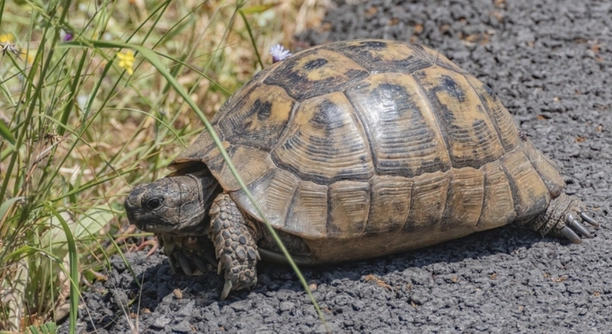
Russian tortoises are known for their unique characteristics and behaviors, but sometimes they face issues with shedding. Shedding is a natural process for tortoises, but when it doesn’t occur as expected, it can be concerning for owners.
Several factors can contribute to improper shedding in your Russian tortoise. Environmental conditions, like humidity and temperature, play a significant role. Additionally, poor diet, dehydration, or underlying health issues can interfere with their natural shedding process.
Understanding these factors will help you address the issue effectively. Continue reading to learn how to identify and resolve the causes behind your tortoise’s shedding problems.
Inadequate Humidity Levels
Humidity is one of the most critical factors in a Russian tortoise’s health, including proper shedding. A lack of humidity in their environment can cause their skin to become dry, making it difficult for them to shed properly. If the humidity is too low, the shedding process can be painful, and they may end up with stuck skin or shedding in patches. This can be distressing and lead to further health issues.
To improve humidity, consider adding a shallow water dish, misting their habitat lightly, or using a humidifier near their enclosure. Make sure the humidity level stays around 40-60%, as too much moisture can lead to other complications like mold growth. It’s important to monitor humidity levels regularly to ensure they stay within this range.
A simple adjustment to your tortoise’s habitat can make a big difference. You can create a more balanced environment with a few minor changes, allowing your tortoise to shed properly and comfortably. Proper humidity is key to a healthy and happy tortoise.
Poor Diet and Nutrition
A balanced diet is essential for your Russian tortoise’s overall health, including shedding. Without the proper nutrients, your tortoise’s skin might not shed correctly or at all. Insufficient calcium, fiber, and vitamins can hinder their shedding cycle and cause problems with their shell and skin. A diet that lacks these essential nutrients can affect their ability to properly shed old skin.
To promote healthy shedding, feed your tortoise a diet rich in leafy greens, vegetables, and a calcium supplement. Avoid overfeeding with high-protein foods, as this can lead to health complications. The proper diet will help your tortoise shed without issues and stay healthy.
Temperature Fluctuations
Temperature is another key factor influencing your tortoise’s shedding process. If the temperature in their environment is too high or too low, it can interfere with their skin’s natural shedding. Extreme temperatures can cause stress and slow down the shedding process, leading to incomplete molts.
Maintaining a consistent temperature within their enclosure is essential. Aim for a basking spot around 90-95°F and a cooler area of 75-80°F. A gradual temperature drop during the night mimics natural conditions and supports the shedding process. Using a reliable thermometer ensures your tortoise remains comfortable and avoids temperature-related shedding issues.
Consistent temperature control provides the right conditions for your tortoise to shed properly. Stress caused by fluctuating temperatures may hinder their ability to shed old skin, so managing their habitat temperature is a crucial step in maintaining their health.
Dehydration
Dehydration can significantly affect a Russian tortoise’s ability to shed. Without enough water, their skin will become dry and tough, making it harder for the old skin to come off naturally. Lack of proper hydration can lead to stuck shed, which may require intervention to remove.
To prevent dehydration, ensure your tortoise always has access to fresh water. Soaking them in lukewarm water a couple of times a week can also help keep them hydrated. In addition to providing water, a proper diet high in water-rich vegetables can also aid hydration and support healthy skin.
Proper hydration is crucial for your tortoise’s shedding process. It’s an easy yet important step that can help them shed smoothly. Regular soaking and a water-rich diet can keep your tortoise hydrated and ensure a more comfortable shedding experience.
Stress and Anxiety
Stress can play a significant role in your tortoise’s shedding issues. When your tortoise feels threatened or uncomfortable, whether due to loud noises, too much handling, or changes in their environment, it can cause them to stop shedding properly.
It’s important to provide a calm, quiet environment for your tortoise. Minimize disturbances and limit handling to prevent stress. If there are other pets or animals around, make sure they don’t cause unnecessary anxiety. A stress-free environment promotes healthy shedding and overall well-being.
Infections or Parasites
Infections or parasites can disrupt a tortoise’s shedding cycle. These health issues can lead to poor skin health, affecting the shedding process. If your tortoise has an infection or parasites, their immune system is likely weakened, making it harder for them to shed normally.
If you notice signs like excessive lethargy, lack of appetite, or abnormal skin conditions, it’s important to seek veterinary care immediately. A vet can diagnose the problem and provide treatment, which can help your tortoise shed properly again. Timely intervention can prevent long-term health issues related to shedding.
Inadequate Lighting
Lighting is crucial for your Russian tortoise’s overall health, including their shedding process. Without the proper UVB lighting, their body can struggle to metabolize calcium, leading to poor skin and shell health. Inadequate lighting may result in poor shedding.
Providing proper UVB lighting helps support your tortoise’s overall well-being, including the ability to shed. Ensure the lights are placed correctly and replaced regularly, as UVB lights lose their effectiveness over time. Proper lighting helps your tortoise maintain healthy skin, preventing shedding issues.
FAQ
Why is my Russian tortoise shedding in patches?
If your Russian tortoise is shedding in patches, it could be due to several factors. Uneven shedding often happens when the environment isn’t ideal, such as improper humidity or temperature. It can also indicate dehydration or a nutritional imbalance. You may need to adjust the humidity and temperature levels, ensure they’re properly hydrated, and provide a balanced diet. If the patches persist, consult a veterinarian to rule out any underlying health issues, such as skin infections or parasites, that could be affecting the shedding process.
How often should a Russian tortoise shed?
Russian tortoises typically shed in small amounts throughout the year. Unlike some reptiles, they don’t go through dramatic molts, but instead shed their skin gradually. Younger tortoises may shed more frequently as they grow, while older ones shed less often. The frequency varies depending on their diet, habitat conditions, and overall health. You may notice more shedding during periods of growth, especially in the warmer months when their activity levels increase. Regular monitoring of their shedding process can help you catch any issues early on.
How can I help my Russian tortoise shed properly?
To support healthy shedding, make sure your tortoise has a proper habitat. Maintain consistent temperatures (90-95°F basking area and 75-80°F cool side), and ensure humidity levels are between 40-60%. Provide a well-balanced diet of leafy greens, calcium, and fiber to aid the shedding process. Regularly offer fresh water, and soak your tortoise in warm water to keep them hydrated and soften their skin. Avoid handling your tortoise too much during shedding periods, as this can cause stress and hinder the process. If shedding problems continue, a visit to the vet may be necessary.
Can I remove stuck shed from my tortoise?
It’s important not to remove stuck shed forcefully, as this can damage the skin underneath. If your tortoise has areas of stuck shed, gently soak them in lukewarm water for about 15-20 minutes. This softens the skin, making it easier for them to shed naturally. If the shed doesn’t come off after soaking, try using a soft brush or damp cloth to gently help remove the dead skin. If stuck shed continues to be a problem, consider consulting a vet to ensure there are no underlying health issues causing the shedding difficulty.
Is it normal for my tortoise to stop shedding for a while?
It’s normal for shedding to slow down or stop for a period of time, especially as your tortoise matures. Shedding is more frequent in younger tortoises, while older ones may shed less frequently. However, if your tortoise goes through long periods without shedding or shows signs of skin problems, such as discolored or flaky skin, it could indicate an issue with their environment or health. Make sure they are receiving proper care, including hydration, nutrition, and lighting. If you suspect a health problem, consult a veterinarian.
What temperature is best for my tortoise to shed?
Maintaining the right temperature is essential for healthy shedding. Your Russian tortoise’s basking area should be kept around 90-95°F, while the cooler area should range from 75-80°F. If the temperature fluctuates too much, it can cause stress and hinder the shedding process. Keeping temperatures consistent within the right range promotes proper digestion, hydration, and skin health. A stable temperature helps your tortoise shed comfortably and efficiently, so monitor the conditions carefully and adjust as needed to prevent any shedding issues.
Can stress cause shedding problems in my tortoise?
Yes, stress can interfere with your tortoise’s ability to shed. Stressors such as frequent handling, loud noises, an overcrowded or noisy environment, or the presence of other aggressive pets can all contribute to shedding issues. When your tortoise feels anxious or threatened, it can cause them to stop shedding properly or experience incomplete molts. To minimize stress, create a calm and stable environment. Limit handling, ensure their habitat is quiet, and provide them with a safe space to retreat when they feel stressed.
What are the signs that my tortoise has a shedding problem?
Signs that your tortoise may have a shedding problem include patchy or uneven skin, retained shed, dry or cracked skin, or discoloration. In some cases, the tortoise may appear lethargic, stop eating, or show signs of discomfort when moving. These issues can stem from dehydration, improper diet, poor environmental conditions, or health concerns such as infections. If you notice any of these signs, it’s important to assess their habitat and diet. If the problem persists, a visit to a vet will help identify the cause and provide treatment.
Final Thoughts
Shedding is a natural process for your Russian tortoise, but it can sometimes be a sign of underlying issues. Understanding the factors that influence shedding, such as diet, environment, and health, can help you ensure your tortoise sheds properly. It’s important to keep a close eye on your tortoise’s behavior and skin condition, especially if shedding doesn’t seem to be progressing as it should. Regularly monitor their habitat, including temperature, humidity, and lighting, to create a comfortable space that supports their natural shedding process. If you notice any problems, addressing them early can prevent further complications.
Sometimes, shedding issues may be the result of a simple environmental problem, such as incorrect humidity or temperature. These factors can be easily adjusted to improve your tortoise’s health and shedding routine. Other times, underlying health concerns, such as parasites or dehydration, may be to blame. If your tortoise’s shedding difficulties continue despite environmental adjustments, seeking help from a veterinarian is important to rule out any serious conditions. Proper hydration, a balanced diet, and a stress-free environment are all key to maintaining your tortoise’s well-being.
Overall, providing the right care and monitoring your tortoise closely will help them shed properly and stay healthy. A little attention to their habitat and diet can go a long way. If issues persist, don’t hesitate to consult a professional. Your tortoise’s shedding process can often indicate how they’re feeling, so staying attentive to any signs of discomfort or irregularity will help you keep them in good shape. Healthy shedding is a good indicator of overall health, and ensuring this process goes smoothly will contribute to their long-term happiness.

Hello,
If you enjoy the content that we create, please consider saying a "Thank You!" by leaving a tip.
Every little bit helps us continue crafting quality advice that supports the health, happiness, and well-being of pets around the world, for pets of all shapes, sizes, and species.
We really appreciate the kindness and support that you show us!