
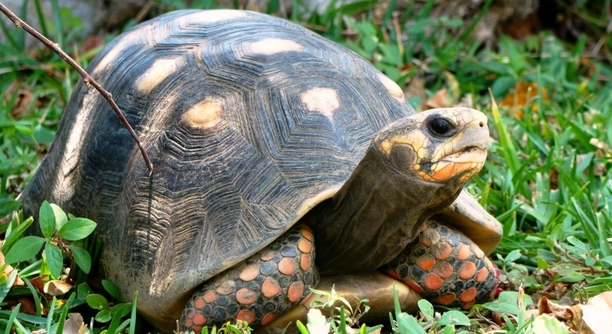
If your red-footed tortoise keeps scratching the glass of its enclosure, it could be trying to communicate something important. Observing their behavior closely can help uncover the reasons behind this habit.
Red-footed tortoises scratch the glass for a few reasons, including stress, boredom, hunger, or an unsuitable habitat. This behavior can also signal that they are attempting to escape or are confused by their environment.
By understanding the cause of your tortoise’s glass-scratching, you can make adjustments to create a better living space for it. Keep reading to find out the main factors at play.
Stress and Anxiety: A Major Factor
Stress can be a major reason behind a red-footed tortoise scratching the glass. Tortoises are creatures of habit, and any changes in their environment can cause discomfort. Whether it’s a noisy household, new animals in the area, or frequent handling, these disruptions can make them feel anxious. When they feel unsafe or unsettled, they may start scratching at the glass as a way to cope.
The glass scratching may be a sign that your tortoise is trying to escape its perceived stressful environment. Sometimes, they might also pace along the glass when they are not sure where they are or what is happening around them.
To reduce stress, ensure your tortoise’s enclosure is quiet and placed in a calm area. If you have other pets, keep them away from the tortoise’s space. Regularly check the temperature, humidity, and lighting as improper conditions can also contribute to their stress levels. Being mindful of changes in their surroundings is key to keeping them calm.
Boredom and Lack of Stimulation
If your tortoise is scratching the glass, it might simply be bored. Tortoises need mental stimulation and physical activity to stay happy and healthy. A lack of enrichment in their habitat can lead them to develop this repetitive behavior.
A well-designed tortoise enclosure with various textures, hiding spots, and objects to climb on can help. When they feel entertained and engaged, they are less likely to scratch at the glass. Additionally, providing time outside the enclosure, if possible, will offer new experiences and prevent restlessness.
Hunger or Food-related Behavior
If your red-footed tortoise is scratching the glass, it could be because it’s hungry. Tortoises are often drawn to areas where they expect food, and if they are constantly hungry, they might associate the glass with meals.
Your tortoise may see its enclosure’s glass as a boundary between itself and the outside world, where food might be. If it’s not being fed enough or has a limited diet, it might repeatedly scratch at the glass, hoping for food. Ensure that you’re feeding your tortoise the right amount of food and variety to avoid hunger-driven behaviors. Also, offering food at regular intervals helps establish a routine, so they aren’t constantly trying to “escape” for food.
Ensure your tortoise’s diet is balanced with the right mix of vegetables, fruits, and occasional protein. Overfeeding is also something to watch out for, as it can lead to obesity and other health issues. By establishing a consistent feeding schedule and maintaining a nutritious diet, you can reduce hunger-driven glass scratching.
Inadequate Habitat
An unsuitable habitat can make your tortoise feel trapped and lead to glass scratching. If your tortoise’s living space is too small or lacks essential elements, it may become frustrated.
Tortoises require ample space to roam, explore, and hide. If their enclosure is too cramped or lacks natural elements like rocks, plants, and hiding spots, they may start scratching the glass in an attempt to get out. The lack of enrichment in their habitat may also cause anxiety and boredom, leading them to engage in this behavior more frequently. Make sure your tortoise’s enclosure is spacious and offers areas to explore, hide, and bask comfortably.
An enclosure should mimic their natural environment, offering areas to dig, climb, and explore. Consider using different substrates like soil or sand to give them a more natural feel. This will help your tortoise feel more at ease in its environment and reduce unnecessary glass scratching.
Misleading Reflections
Sometimes, red-footed tortoises scratch the glass because they see their reflection and think it’s another tortoise or an obstacle in their way. This can confuse them and lead to constant attempts to interact with or escape the reflection.
Tortoises don’t always understand that they are seeing themselves in the glass. They may perceive their reflection as another tortoise or an obstruction, leading to repeated scratching. This is more common if the glass is highly reflective or if the tortoise has never encountered a reflective surface before. To prevent this, try placing non-reflective materials around their enclosure to block these confusing reflections.
Overheating
If your tortoise is scratching at the glass, it could be due to overheating. Tortoises require a specific temperature range to stay comfortable. If the temperature inside their enclosure is too high, they may show signs of distress, including glass scratching.
A consistent temperature gradient, with a warm basking spot and a cooler area, is essential for maintaining your tortoise’s well-being. Using a thermometer inside the enclosure to monitor temperatures can help avoid this issue. Ensure the basking spot is not too hot and the cooler side is properly regulated to provide a comfortable environment for your tortoise.
Lack of Proper Lighting
Tortoises need access to UVB lighting to thrive. If their enclosure doesn’t have the proper UVB light source, they may start scratching the glass. Without UVB, tortoises can become weak, stressed, or even ill.
Proper UVB lighting helps in the production of vitamin D3, which is crucial for calcium absorption. Without adequate lighting, your tortoise may exhibit behaviors like scratching in an attempt to get to better conditions. Make sure to replace the UVB bulb every 6-12 months, as its effectiveness decreases over time, even if it still appears to be working.
FAQ
Why does my red-footed tortoise keep scratching the glass?
Scratching the glass can be a sign of multiple issues, such as stress, boredom, hunger, or an unsuitable habitat. If your tortoise feels stressed or threatened by changes in its environment, it may scratch the glass in an attempt to escape. Similarly, if it lacks mental stimulation, it might do this out of boredom. Hungry tortoises may associate the glass with food and attempt to access what they believe is on the other side. Ensuring your tortoise has a spacious, calm, and enriched environment can help reduce this behavior.
Can my tortoise hurt itself by scratching the glass?
While scratching the glass itself is not likely to cause direct harm, repetitive behavior can lead to stress, which could affect your tortoise’s health in the long term. Constantly attempting to escape or interact with the glass might cause physical fatigue or abrasions to their claws. If you notice your tortoise is consistently scratching, it’s important to assess its habitat and address the underlying cause.
How can I stop my tortoise from scratching the glass?
The best way to stop your tortoise from scratching the glass is to first identify the cause. If it’s stressed, try moving the enclosure to a quieter area or adding more hiding spots. For boredom, add enrichment like climbing structures or plants. If hunger is the issue, ensure you’re feeding your tortoise enough and on a regular schedule. Making the enclosure larger and more natural also helps reduce stress and confusion, leading to less glass scratching.
Can I place a background on the glass to reduce scratching?
Yes, placing a non-reflective background on the outside of the glass can help reduce the visual stimulus that might be causing your tortoise to scratch. A simple, solid-colored background can prevent your tortoise from seeing its reflection, which could be mistaken for another tortoise or obstacle. Just make sure the background is not too bright or distracting, as it may still confuse your pet.
Is it normal for a red-footed tortoise to scratch the glass?
While occasional glass scratching may be normal, especially if your tortoise is adjusting to its environment, continuous scratching can indicate an underlying issue. It’s important to pay attention to patterns in behavior. If scratching becomes a consistent habit, it’s crucial to assess your tortoise’s habitat, diet, and emotional well-being. Small adjustments can often reduce or eliminate this behavior.
How often should I feed my red-footed tortoise to prevent glass scratching?
Feeding frequency depends on your tortoise’s age and size, but adult red-footed tortoises generally require feeding every two to three days, while younger tortoises may need daily feedings. If your tortoise is scratching the glass due to hunger, ensure it is being fed an appropriate amount of food, including leafy greens, fruits, and occasional protein. Keep a consistent feeding schedule to help prevent hunger-driven behaviors.
Can I put other animals with my red-footed tortoise to keep it from scratching the glass?
It’s generally not recommended to place other animals in the same enclosure as your red-footed tortoise unless they have similar environmental needs and temperaments. Adding other animals could lead to stress, territorial disputes, or health risks. However, providing a companion in a separate, nearby enclosure may help reduce loneliness and boredom if your tortoise seems to be scratching due to these factors.
What should the temperature and humidity be in my tortoise’s enclosure to prevent scratching?
Red-footed tortoises need a warm environment to thrive. The basking area should be kept at around 85-90°F, while the cooler side of the enclosure should range from 70-75°F. Humidity should be maintained at 60-80%, as dry conditions can lead to dehydration and discomfort, causing your tortoise to act out. Using a thermometer and hygrometer can help monitor these levels to ensure they stay within the ideal range.
How can I tell if my tortoise is stressed?
Signs of stress in red-footed tortoises can include frequent glass scratching, pacing, hiding, or a lack of appetite. Stress can also show up as abnormal behaviors, such as excessive digging or unresponsiveness to food. If you notice any of these signs, it’s important to reassess the tortoise’s living conditions, temperature, humidity, and enrichment options.
Do red-footed tortoises need UVB lighting?
Yes, UVB lighting is essential for red-footed tortoises to produce vitamin D3, which is necessary for calcium absorption and overall health. Without proper UVB lighting, your tortoise may develop health issues like metabolic bone disease. Ensure the UVB light is placed over a basking area and is replaced every 6-12 months, as its effectiveness decreases over time.
Final Thoughts
Understanding why your red-footed tortoise keeps scratching the glass is essential for creating a better environment for it. Tortoises communicate through their behaviors, and if your pet is constantly scratching, it’s a sign that something in its habitat might not be right. Whether it’s due to stress, boredom, hunger, or discomfort, addressing the root cause will help reduce or eliminate this behavior. By paying attention to the small details, like temperature, lighting, and enrichment, you can create a space that meets your tortoise’s needs and allows it to thrive.
One of the first steps in solving the issue is to ensure your tortoise has a proper, spacious habitat. A well-designed enclosure should have plenty of room to roam and hide, with the right temperature and humidity levels. Adding natural elements like plants, rocks, and other climbing surfaces can keep your tortoise engaged, preventing boredom. Similarly, providing a varied diet at regular intervals helps keep your tortoise satisfied and reduces hunger-driven behaviors. If you are unsure about the conditions, taking the time to evaluate its environment can make a significant difference in its well-being.
In the end, a healthy, happy tortoise is a result of a balanced environment. By observing its behavior closely and making the necessary adjustments, you can help prevent scratching and other unwanted habits. A comfortable, stress-free space not only improves your tortoise’s quality of life but also allows you to enjoy your pet without worrying about repetitive behaviors. Ensuring that its habitat reflects its natural needs will lead to a calmer, more content tortoise.

Hello,
If you enjoy the content that we create, please consider saying a "Thank You!" by leaving a tip.
Every little bit helps us continue crafting quality advice that supports the health, happiness, and well-being of pets around the world, for pets of all shapes, sizes, and species.
We really appreciate the kindness and support that you show us!