
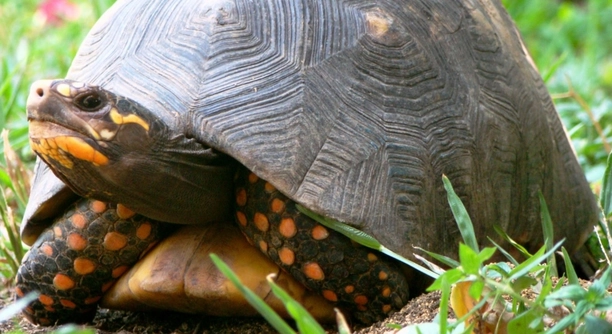
Your red-footed tortoise might start digging for various reasons, from seeking shelter to natural instincts. Understanding these behaviors helps ensure they remain healthy and content in their environment.
Digging is a common behavior in red-footed tortoises, often linked to instinctive actions such as seeking comfort, establishing territory, or preparing for egg-laying. Addressing their needs ensures their well-being and helps prevent stress.
This guide will break down the reasons behind your tortoise’s digging behavior and offer practical insights into how to address it.
Seeking Shelter
Red-footed tortoises dig as part of their instinct to find a safe and comfortable space. In the wild, they burrow to escape harsh weather or predators. If your tortoise is digging, it may be trying to create a cool spot to rest, especially during warmer days. Providing appropriate shelter can help reduce this behavior.
To minimize digging related to shelter-seeking, make sure your tortoise has a suitable hide or a shaded area in its enclosure. This will give your tortoise a place to retreat and reduce the need for excessive digging. Adding bedding like coconut coir or soil mimics the environment they prefer in the wild.
A proper hiding spot provides comfort and reduces stress. Tortoises are naturally inclined to find security, so replicating their habitat’s natural elements helps them feel at ease. With these simple adjustments, you can minimize digging caused by the need for shelter, promoting a happier tortoise.
Nesting Behavior
Nesting behavior is another reason your tortoise might dig. Female red-footed tortoises instinctively dig to lay their eggs. Even without a male present, they may still exhibit this behavior, driven by their reproductive cycle. Recognizing this instinct is crucial to ensuring your tortoise’s health and happiness.
If your tortoise is constantly digging, it could be preparing to lay eggs. You can help by providing a proper nesting area. A section of the enclosure with deep, loose soil will allow your tortoise to dig and create a suitable nesting spot. If egg-laying is not occurring, ensure the enclosure has plenty of space to reduce stress. Additionally, maintaining proper humidity and temperature levels encourages natural behavior and keeps your tortoise comfortable. This simple step helps prevent unnecessary digging while supporting their reproductive instincts.
Temperature Regulation
Red-footed tortoises dig to regulate their body temperature. If they’re too hot, they dig to find cooler soil. If the environment is too cold, they might burrow to find warmth. Keeping their habitat at a stable temperature is key to avoiding this behavior.
If your tortoise is digging excessively, check the temperature in their enclosure. Red-footed tortoises thrive at temperatures between 75°F and 85°F. Ensure your heat source isn’t too hot, and that the cooler area is cool enough for them to retreat to. A temperature gradient gives your tortoise control over its environment and reduces digging as a means of temperature control.
Adjusting the heating and cooling areas of your tortoise’s habitat will allow them to regulate their body temperature naturally. This helps reduce unnecessary stress from temperature extremes and curbs the digging behavior associated with it. Ensuring a consistent environment is essential for their well-being.
Stress or Anxiety
Stress is another factor contributing to digging in red-footed tortoises. Changes in their environment, such as a new enclosure, new animals, or too much noise, can make them anxious. Digging becomes a coping mechanism when they feel overwhelmed.
If your tortoise is digging out of stress, creating a stable, quiet environment can make a huge difference. Red-footed tortoises need time to adjust to their surroundings. Once they feel secure, they’ll be less likely to dig excessively. Also, avoid overcrowding their enclosure, as limited space can increase stress levels.
Introduce changes slowly, allowing your tortoise to acclimate. A peaceful environment, with no sudden disturbances, will reduce anxiety and help eliminate unnecessary digging. Consider placing your tortoise in a location where they feel more secure, such as a quieter part of your home.
Hormonal Changes
Hormonal changes can trigger digging behavior in red-footed tortoises, particularly during breeding seasons. Female tortoises may dig as part of their natural reproductive instincts. Even in the absence of males, they may still engage in this behavior.
During breeding seasons, female tortoises often dig to prepare for egg-laying. If you notice an increase in digging during certain times of the year, this could be a natural part of their hormonal cycle. Red-footed tortoises may also dig in response to changes in their surroundings that affect their hormones.
Health Issues
Health problems can also contribute to abnormal digging behavior. If a tortoise feels unwell or is in discomfort, it may dig to cope with stress or pain. In such cases, it’s crucial to monitor their health and visit a vet if needed.
Signs of health issues could include lethargy or changes in eating habits. If your tortoise is digging excessively and showing other concerning symptoms, it’s important to get them checked by a veterinarian. Digestive issues or shell discomfort can lead to unusual behavior. A vet will help identify the underlying cause and provide treatment.
Habitat Enrichment
A lack of stimulation or a poor habitat can lead to digging. Tortoises need an engaging and varied environment to feel comfortable and active. A bare enclosure may make them seek ways to entertain themselves, such as digging.
Ensure your tortoise’s enclosure is large enough and has varied textures, plants, and hiding spots. This encourages natural behaviors and helps reduce the urge to dig out of boredom. Adding climbing elements or water features can also help provide mental stimulation and discourage digging. Regular changes to their habitat can keep them engaged.
FAQ
Why is my red-footed tortoise digging constantly?
Digging can be a natural behavior for red-footed tortoises, often linked to shelter-seeking, temperature regulation, nesting, or stress. If your tortoise is digging excessively, it may be trying to find a cooler area to rest or seeking a comfortable place to hide. Providing a well-maintained habitat with suitable temperature gradients and hiding spots can help reduce this behavior. Additionally, ensure their enclosure is spacious and enriched with various textures and structures.
How can I stop my red-footed tortoise from digging?
To minimize digging, first check the temperature in your tortoise’s enclosure. Maintaining a stable environment with the right heat sources helps control temperature-related digging. Next, offer hiding spots like caves or shelters. Adding more variety to their habitat, such as plants or climbing areas, can also reduce digging out of boredom. If your tortoise is digging to lay eggs, providing a proper nesting site with loose, deep soil is crucial.
Is it normal for my red-footed tortoise to dig at night?
Yes, it is normal for red-footed tortoises to dig at night, especially if their environment is too hot or too cold. Tortoises are more active during cooler hours, so if your tortoise feels the need to adjust its temperature, it may dig during the evening. Ensure your tortoise has access to cooler areas during the day and that nighttime temperatures remain consistent with their natural needs.
Can stress cause my red-footed tortoise to dig?
Yes, stress can lead to digging behavior in red-footed tortoises. If they are exposed to sudden changes in their environment, such as new animals, loud noises, or an overcrowded enclosure, they may begin digging as a coping mechanism. Reducing stress factors by placing your tortoise in a quieter, stable environment with enough space can help minimize excessive digging. Slow introductions to changes in their habitat are also beneficial.
How do I know if my tortoise is digging because of health problems?
If your tortoise is digging excessively and shows other signs of illness, such as lethargy, a loss of appetite, or abnormal behavior, it might be a sign of health issues. Digging can be a response to pain or discomfort, especially if it’s related to digestive problems or shell issues. If you notice any concerning symptoms alongside digging, consult a veterinarian for a thorough checkup. Addressing potential health problems early can prevent further stress and behavioral issues.
Should I provide a nesting area for my female tortoise?
Yes, if you have a female red-footed tortoise, providing a proper nesting area is essential, especially during the breeding season. Even without a male, females may dig to prepare for egg-laying. To support this behavior, offer a section of the enclosure with deep, loose soil or sand. This gives your tortoise a space to dig and lay eggs safely, mimicking their natural environment. If egg-laying doesn’t occur, ensure the area is spacious and stress-free.
What is the best bedding for a red-footed tortoise?
Coconut coir, soil, and shredded leaves are ideal bedding materials for red-footed tortoises. These substrates allow the tortoise to dig naturally and are easy to clean. Coconut coir helps maintain humidity and provides a comfortable area for digging, while soil gives your tortoise a more natural burrowing experience. Avoid using pine or cedar shavings, as these can be harmful to tortoises. Regularly clean the bedding and replace it when it becomes soiled.
How much space does a red-footed tortoise need to reduce digging?
Providing enough space in your tortoise’s enclosure can significantly reduce digging. Red-footed tortoises require a spacious habitat to feel secure and comfortable. A minimum of 4×8 feet of space is recommended for an adult tortoise, with extra room for roaming and exploring. The more space they have, the less likely they are to dig excessively out of frustration or boredom. A well-enriched environment with plenty of hiding spots, climbing areas, and plants will also help reduce the urge to dig.
Can red-footed tortoises dig to escape?
Yes, red-footed tortoises may dig to escape if they feel stressed or trapped in their environment. However, this is less common if the enclosure is appropriately sized and securely closed. To prevent escape attempts, ensure that the sides of the enclosure are tall enough to deter climbing and that the bottom is securely anchored to prevent digging under. Providing a comfortable, secure space will keep your tortoise from trying to escape its environment.
Why does my red-footed tortoise dig at the same spot?
If your tortoise is digging at the same spot repeatedly, it could be due to a variety of reasons. It may have found a particularly comfortable or cooler area in the substrate. Alternatively, the location may be where it feels most secure or where it previously laid eggs. If you notice this behavior, consider providing multiple digging areas or adjusting the temperature gradient in their enclosure to prevent excessive digging in one spot.
Final Thoughts
Red-footed tortoises can dig for many reasons, including natural instincts, environmental factors, and health-related issues. It’s essential to understand that digging is a normal behavior for these tortoises, and it plays a role in their comfort and well-being. However, excessive digging may indicate that something isn’t quite right in their environment or health. If you notice unusual or persistent digging patterns, it’s worth investigating further to ensure your tortoise’s needs are being met. Whether it’s temperature regulation, boredom, or a health concern, addressing the cause can help reduce unnecessary digging.
Providing an enriched environment with plenty of space, hiding spots, and appropriate temperature gradients will support your tortoise’s natural behaviors. By creating a comfortable habitat, you’ll allow them to dig in a way that is both healthy and instinctual. If breeding or egg-laying is a factor, make sure to offer a suitable nesting area. A well-maintained habitat can minimize stress and reduce the likelihood of excessive digging. Additionally, keeping a consistent routine and reducing sudden changes in their environment can help make them feel secure.
In some cases, if the behavior persists or you suspect a health issue, it’s best to consult a veterinarian. Digging can sometimes be a sign of discomfort or stress, and a professional evaluation can rule out any underlying health problems. Regularly checking on your tortoise’s physical condition and behavior will allow you to address potential concerns early. With the right care and attention, your red-footed tortoise will be happy, healthy, and able to express natural behaviors in a safe and secure environment.

Hello,
If you enjoy the content that we create, please consider saying a "Thank You!" by leaving a tip.
Every little bit helps us continue crafting quality advice that supports the health, happiness, and well-being of pets around the world, for pets of all shapes, sizes, and species.
We really appreciate the kindness and support that you show us!