
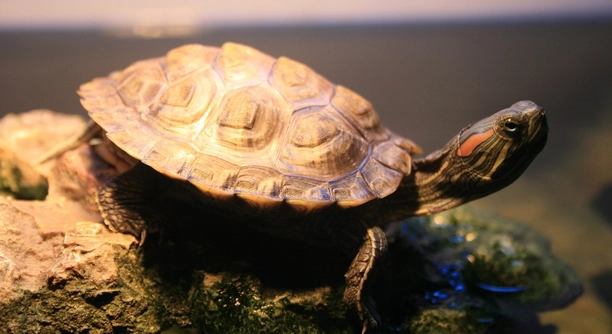
Are your red-eared slider turtles staying hidden more often than you’d like? It’s not unusual for these reptiles to spend time in their shelters, but understanding why can help you address the problem.
The most common reasons why your red-eared slider may not come out of hiding include stress, improper tank conditions, or health issues. Inadequate temperature, lighting, or lack of stimulation can cause your turtle to retreat and avoid interacting.
Making sure your turtle’s environment is comfortable and healthy is essential. There are several factors that could be influencing their behavior, and we’ll break them down so you can provide a better habitat for your pet.
Stress and Anxiety Can Be a Major Factor
Stress is a big reason why your red-eared slider might prefer staying hidden. When turtles feel stressed, they may retreat to their shelter or hide in corners of their tank to feel safe. Stress can be triggered by various factors, including loud noises, other pets, or even an unsteady environment. If there’s too much happening around their habitat, your turtle may choose to stay out of sight.
Environmental stress is often overlooked, but it’s critical. For example, if your turtle is in a tank with a lot of movement, sudden changes, or overcrowding, it can quickly feel overwhelmed. Red-eared sliders are known to be shy creatures and need their space to thrive. Reducing stress by creating a calm environment can help encourage your turtle to come out of hiding. This means providing a stable environment with minimal disturbances.
Adding calming elements, like live plants or places to hide, can also reduce stress. You should also give your turtle time to adapt to new changes. Being patient will help them adjust and feel secure in their surroundings again.
Temperature and Lighting Might Be Off
Temperature and lighting issues can also make your turtle seek shelter. If the water or basking area isn’t at the right temperature, your turtle won’t feel comfortable enough to come out. Turtles rely on heat to regulate their body temperature, and an improper setup can make them want to stay hidden.
To prevent this, make sure your turtle’s habitat has a warm basking area and cooler water. The basking area should be between 85-90°F, while the water temperature should be around 75-80°F. An appropriate heat lamp can help your turtle stay warm. If the temperatures are too cold or too hot, your turtle might retreat to a darker, cooler area to maintain comfort. Additionally, ensure the lighting is sufficient. Turtles need UVB lighting to help with calcium absorption and shell health. Without proper lighting, they may avoid basking, which could lead them to hide more often.
Health Issues Can Affect Their Behavior
A common reason your red-eared slider may stay hidden is due to illness or injury. If your turtle isn’t feeling well, it may avoid coming out to bask or explore. Signs of health problems can include lethargy, loss of appetite, or swelling.
A sick turtle will naturally retreat to a hiding spot for rest. It’s essential to observe if there are any visible changes in your turtle’s appearance or behavior. Injuries from fights, accidents, or even improper handling can cause pain, leading to them hiding. Make sure your turtle is free from any wounds or infections that could make it feel unsafe or uncomfortable.
If your turtle is consistently hiding, it’s a good idea to check with a vet. Health problems like respiratory infections or shell rot are common in turtles, and quick attention can prevent further issues. Regular checkups and keeping the tank clean are vital in ensuring your turtle stays healthy.
Lack of Stimulation Can Lead to Boredom
Red-eared sliders need mental stimulation just like physical activity. If your turtle’s environment is too plain, it may become bored and hide. Turtles naturally enjoy exploring and interacting with their surroundings, so a lack of interesting elements can affect their behavior.
Try adding variety to your turtle’s tank by including things like rocks, plants, or new hiding spots. You can also introduce safe items for them to climb on, which will encourage activity and exploration. When there’s not enough to do, your turtle might choose to hide rather than stay active, simply because it has nothing else to engage with.
Providing enough stimulation keeps your turtle active and healthy. By enriching their environment with more things to discover, you’ll likely see an improvement in their behavior and overall well-being. The more enjoyable the environment, the more likely they are to come out of hiding.
Improper Tank Size
An overcrowded or improperly sized tank can make your turtle feel cramped, causing it to hide. Red-eared sliders need space to swim and explore. A tank that’s too small can restrict their movement, leading to stress and hiding.
Make sure your tank is large enough for your turtle to feel comfortable. A 40-gallon tank is the minimum for one adult red-eared slider. A spacious tank reduces stress and helps them feel secure enough to come out and explore.
Inadequate Water Quality
Poor water quality can discourage your turtle from coming out of hiding. Turtles are sensitive to dirty water, which can cause stress and even health problems. If the water is not clean, your turtle might prefer staying hidden to avoid exposure.
Clean water is essential for keeping your turtle healthy. Regular water changes and proper filtration will improve their living conditions. Additionally, test the water frequently for ammonia, nitrites, and nitrates. By maintaining proper water quality, you can encourage your turtle to feel more at ease and venture out.
FAQ
Why is my red-eared slider hiding all the time?
There are many reasons why your turtle may be hiding. It could be due to stress, such as loud noises, overcrowding, or changes in its environment. If the water temperature is wrong or the lighting is inadequate, it may not feel comfortable coming out. Health issues, boredom, or even poor water quality could also contribute. Always check for signs of illness and ensure the tank is well-maintained. If your turtle is hiding excessively, it’s best to rule out any health problems first.
How can I tell if my red-eared slider is sick?
If your turtle is sick, it may hide more than usual. Watch for signs like a lack of appetite, lethargy, or unusual behavior such as floating on its side or being unable to dive. A soft or discolored shell, swelling, or labored breathing are also signs of illness. If you notice any of these symptoms, it’s a good idea to take your turtle to a vet. Early diagnosis is key to preventing further health issues.
What temperature should my red-eared slider’s tank be?
Red-eared sliders require specific temperatures to stay healthy. The water temperature should be between 75-80°F, while the basking area should range from 85-90°F. These temperatures help your turtle regulate its body heat and assist with digestion. Too hot or too cold can stress the turtle, causing it to hide or even refuse to eat.
Do red-eared sliders need UVB lighting?
Yes, red-eared sliders need UVB lighting for proper calcium absorption and overall health. Without UVB light, they can develop health problems like metabolic bone disease. A good UVB light source should be in place for around 10-12 hours a day. Make sure to replace the bulb regularly, as UVB output decreases over time.
Can I keep multiple red-eared sliders together?
While red-eared sliders can sometimes coexist in the same tank, they may become territorial, especially if there isn’t enough space. It’s important to have a large tank to accommodate multiple turtles and provide enough basking spots. Aggression can occur if the turtles feel crowded or stressed, so it’s crucial to monitor their behavior. If signs of aggression appear, separating them may be necessary.
How often should I clean my red-eared slider’s tank?
Tank cleaning depends on the size of the tank, the number of turtles, and the type of filtration system you use. Generally, it’s best to change the water once a week to maintain cleanliness. You should also clean the tank walls, substrate, and decorations monthly to prevent the buildup of algae and waste. A high-quality filter will help keep the water clear between cleanings.
What should I feed my red-eared slider?
Red-eared sliders are omnivores and need a balanced diet consisting of both animal and plant matter. You can feed them commercially available pellets, but it’s important to offer a variety of fresh foods as well. Leafy greens like kale, lettuce, and collard greens are great options. Occasional treats like worms, crickets, or small fish will keep them healthy and provide the necessary protein.
How can I tell if my turtle’s shell is healthy?
A healthy shell should be hard and smooth. If your turtle’s shell appears soft, scaly, or discolored, it could be a sign of health issues like vitamin deficiency or shell rot. Regularly inspecting the shell for cracks, infections, or softness is a good habit. Keeping the tank clean and providing adequate UVB light helps prevent shell problems.
What’s the best way to handle my red-eared slider?
Handling should be minimal to avoid stressing your turtle. When you do handle it, make sure to support its body properly. Never pick up a turtle by its shell or tail. Gently lift your turtle using both hands, supporting its body and legs. Avoid excessive handling, as this can cause stress and lead to hiding behavior.
Can red-eared sliders live outside?
Yes, red-eared sliders can live outdoors in suitable climates, provided you have a secure enclosure with access to clean water, a basking area, and proper UVB lighting. However, outdoor living requires careful monitoring of temperature, predators, and water quality. In colder climates, it’s better to house your turtle indoors during the winter months.
Why is my red-eared slider not eating?
If your turtle isn’t eating, it could be a sign of stress, illness, or an improper diet. Ensure the water temperature and basking area are correct. If the turtle is new to your home, it may take some time to adjust. If the problem persists, consult a vet to rule out any underlying health issues.
Final Thoughts
If your red-eared slider isn’t coming out of hiding, it’s important to address potential issues in its environment. Start by examining the tank’s temperature, lighting, and cleanliness. A stable environment is key for your turtle’s comfort and well-being. Stress, poor water quality, or improper heating can cause your turtle to retreat. Ensuring that your turtle’s habitat is set up properly will likely help encourage it to come out more often.
In addition to the tank setup, don’t overlook your turtle’s health. Illness or injury can also cause a red-eared slider to hide. Watch for signs of lethargy, loss of appetite, or abnormal behavior. If you notice anything unusual, it’s best to consult with a veterinarian who specializes in reptiles. Keeping an eye on your turtle’s health is essential for a long and happy life. Regular checkups will also help you spot any potential problems early.
Lastly, remember that red-eared sliders need mental stimulation just as much as they need a comfortable environment. Offering new hiding spots, plants, or rocks to climb can reduce boredom and encourage your turtle to explore. Ensuring that your turtle has a variety of things to engage with will keep it active and happy. If you address these factors, you’ll likely see a positive change in your turtle’s behavior. Patience is key, but with the right care, your red-eared slider will feel more comfortable and confident coming out of hiding.

Hello,
If you enjoy the content that we create, please consider saying a "Thank You!" by leaving a tip.
Every little bit helps us continue crafting quality advice that supports the health, happiness, and well-being of pets around the world, for pets of all shapes, sizes, and species.
We really appreciate the kindness and support that you show us!