
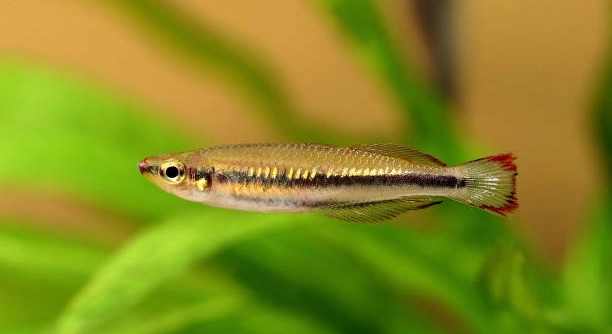
Are your rainbowfish refusing to eat despite regular feedings and a well-maintained tank? Many owners face this problem, which can be both worrying and confusing. Understanding the reasons behind their behavior can help restore their appetite.
Rainbowfish may stop eating due to factors such as water quality issues, stress from tankmates or environment, improper diet, illness, or sudden changes in their habitat. Addressing these causes systematically is essential for maintaining their health and feeding habits.
Identifying the underlying causes will allow you to take effective steps for your fish’s well-being. These insights will help ensure your rainbowfish remain healthy and active.
Improper Diet
Feeding the wrong type or size of food can make rainbowfish reluctant to eat. Rainbowfish need a varied diet including high-quality flakes, pellets, and occasional live or frozen foods. Small flakes or pellets are easier for younger fish, while adults can handle larger bites. Overfeeding can also be a problem, leaving uneaten food to decay and affect water quality. Feeding once or twice daily in small portions helps maintain appetite. Rotating protein sources like brine shrimp or daphnia keeps their diet interesting and nutritionally balanced. Avoid foods high in fillers, as they provide little benefit and may discourage feeding. Observing which foods your rainbowfish accept helps tailor their diet effectively. Introducing new foods gradually prevents shock to their digestive system and encourages consistent eating. Proper nutrition supports growth, vibrant coloration, and active behavior, which are clear signs of a healthy fish.
Balanced nutrition is essential to maintain appetite. Small, varied meals promote regular feeding and better health.
A proper diet ensures rainbowfish remain active and grow properly. Overfeeding or inconsistent feeding schedules reduce interest in food. Variety in food types prevents nutritional deficiencies and boredom. Gradual introduction of new foods, including live or frozen options, encourages acceptance. Observing reactions helps identify preferences and avoid waste. Healthy feeding routines contribute to vibrant coloration, strong immunity, and natural behavior. Combining protein, plant matter, and occasional treats creates a diet that supports long-term health. Regular monitoring of intake allows adjustments to portion sizes and types. Ensuring all fish have access to food reduces stress and competition.
Illness or Disease
Rainbowfish may stop eating if they are sick. Illness can affect digestion, energy, and overall appetite.
Signs include lethargy, clamped fins, unusual swimming patterns, or spots on the body. Early detection improves treatment success.
Health issues are often caused by bacterial, fungal, or parasitic infections. Internal problems, such as digestive blockages or organ failure, also reduce appetite. Quarantining sick fish prevents spreading disease. Observing behavior daily helps detect changes before severe illness develops. Water quality, diet, and stress influence susceptibility to disease. Veterinary advice or appropriate treatments may be necessary depending on the condition. Maintaining a clean environment, balanced nutrition, and stable tank conditions reduces disease risk. Early intervention improves recovery rates and helps restore feeding habits. Consistent observation, preventive measures, and timely action are crucial to keeping rainbowfish healthy and active.
Sudden Changes in Habitat
Rainbowfish may refuse food after sudden changes in their environment. Rearranging decorations, moving the tank, or altering water conditions too quickly can create stress and confusion. Stability in their habitat encourages regular feeding and comfort.
Even minor changes in temperature, lighting, or tank layout can disrupt rainbowfish routines. They rely on familiar surroundings to feel secure, and unexpected shifts make them hesitant to eat. Gradual adjustments are key when introducing new equipment, plants, or decorations. Allowing the fish time to acclimate ensures they maintain appetite and normal behavior. Frequent observation helps identify stress from environmental changes early, preventing longer-term feeding problems.
Providing a stable environment includes consistent water parameters, lighting schedules, and tank placement. When changes are necessary, introducing them slowly over days reduces stress. Keeping hiding spots and territories intact allows rainbowfish to feel safe and feed regularly. Careful monitoring during transitions ensures fish adjust without affecting appetite or health.
Overcrowding
Overcrowded tanks can prevent rainbowfish from eating properly. Competition for space and food reduces their confidence to feed. Adequate tank size and population management are essential for healthy feeding habits.
Crowding leads to stress, aggression, and reduced access to food. Dominant fish may chase or block others, causing weaker individuals to eat less or skip meals entirely. Overcrowding can also worsen water quality, adding to stress and appetite loss. Proper stocking levels maintain a balanced environment where all fish can access food without intimidation.
Managing tank population involves keeping a proper fish-to-gallon ratio and monitoring social behavior. Providing enough swimming space, plants, and hiding spots reduces competition. Feeding in multiple locations ensures every fish can reach food safely. Regularly checking tank capacity prevents overcrowding issues and promotes healthier, more consistent feeding. A well-spaced and carefully managed tank allows rainbowfish to thrive, eat regularly, and maintain vibrant colors and activity levels.
Lighting Issues
Improper lighting can affect rainbowfish feeding habits. Too much or too little light may stress them, making them less willing to eat. A balanced light schedule supports their natural rhythm.
Consistent lighting helps regulate behavior and appetite. Gradual changes in light intensity prevent sudden stress that can reduce feeding.
Seasonal or Temperature Changes
Rainbowfish may eat less during temperature fluctuations or seasonal shifts. Cooler water slows metabolism, naturally reducing appetite. Maintaining stable, appropriate temperatures helps them feed consistently.
Stress from Handling
Frequent handling or disturbances around the tank can stress rainbowfish. Stress reduces appetite and can lead to hiding or lethargy. Regular observation without excessive interference encourages normal feeding behavior.
Why isn’t my rainbowfish eating even though the water looks clean?
Even if water appears clear, harmful compounds like ammonia, nitrites, or nitrates may still be present. Rainbowfish are sensitive to these chemicals, which can irritate their gills and digestive system. Testing water regularly ensures parameters are safe. Partial water changes, proper filtration, and removal of uneaten food help maintain a stable, healthy environment that encourages feeding.
Can stress from tankmates cause rainbowfish to stop eating?
Yes. Aggressive or overly active tankmates can intimidate rainbowfish, making them hide or avoid food. Overcrowding also increases competition for space and feeding spots. Adding hiding places, maintaining proper stocking levels, and observing interactions can reduce stress and restore appetite. Gradual introductions of new fish prevent sudden conflicts.
Could an improper diet be the reason?
Rainbowfish require a balanced diet of flakes, pellets, and occasional live or frozen foods. Overfeeding, underfeeding, or offering unsuitable food can discourage them from eating. Rotating protein sources and introducing new foods gradually helps maintain interest. Small, frequent portions encourage consistent feeding and prevent waste accumulation in the tank.
Is illness or disease affecting my rainbowfish’s appetite?
Yes, sickness is a common reason for appetite loss. Bacterial, fungal, or parasitic infections can slow digestion and energy levels. Signs include lethargy, clamped fins, unusual swimming patterns, or visible spots. Quarantining sick fish and consulting a veterinarian or using proper treatments are important. Maintaining clean water, a stable environment, and a nutritious diet reduces disease risk.
Do sudden changes in the tank make them stop eating?
Rainbowfish are sensitive to environmental changes. Rearranging decorations, changing water parameters, or moving the tank can create stress. Gradual adjustments allow them to acclimate without affecting appetite. Stable conditions, consistent lighting, and available hiding spots help maintain normal feeding patterns. Observation during transitions ensures fish adapt safely.
Can overcrowding reduce feeding?
Yes. Overcrowded tanks increase stress, aggression, and competition for food. Dominant fish may block access, causing weaker individuals to eat less. Maintaining proper stocking levels, providing sufficient space, and feeding in multiple locations ensures all fish have access to food and feel secure.
Do lighting and temperature affect appetite?
Lighting that is too bright or too dim can stress rainbowfish, reducing their willingness to feed. Temperature fluctuations or seasonal changes also impact metabolism. Maintaining consistent lighting schedules and stable temperatures suitable for rainbowfish encourages normal feeding behavior and activity levels.
Will handling or disturbances impact feeding?
Frequent handling or tapping the glass stresses rainbowfish, which can lead to hiding, lethargy, and refusal to eat. Observing fish calmly without excessive interference supports their appetite. Minimizing disturbances helps them feel safe and maintain consistent feeding habits.
How can I encourage a picky rainbowfish to eat?
Offering a variety of foods, including live, frozen, and high-quality flakes, can stimulate appetite. Feeding smaller portions multiple times a day and introducing new foods gradually helps them accept changes. Ensuring water quality, stable environment, and minimal stress supports healthy eating.
When should I seek professional help?
If appetite loss persists despite clean water, proper diet, and stable conditions, consulting an aquatic veterinarian or experienced fish keeper is necessary. Persistent refusal to eat may indicate underlying illness that requires treatment. Early intervention increases chances of recovery and restores normal feeding behavior.
This FAQ addresses the most common reasons rainbowfish stop eating and offers practical steps to help restore their appetite, maintain health, and prevent future feeding problems.
Rainbowfish are delicate creatures that respond strongly to their environment, diet, and social conditions. When they stop eating, it is often a sign that something in their tank or routine is affecting them. Water quality is one of the most important factors, as even minor fluctuations in ammonia, nitrites, or pH can create stress and discourage feeding. Maintaining consistent temperature, clean water, and a properly filtered tank allows rainbowfish to feel secure. Regular observation helps identify early signs of distress, including hiding, lethargy, or changes in coloration, which often appear before appetite loss. Addressing these factors promptly helps restore their feeding habits and overall health. Over time, careful maintenance of the tank environment becomes second nature, and rainbowfish thrive when conditions are stable and predictable.
Diet also plays a major role in appetite. Rainbowfish need a varied diet that includes high-quality flakes or pellets along with occasional live or frozen foods. Feeding too much or too little, or offering foods that are too large or unsuitable, can discourage them from eating. Rotating protein sources and providing small, manageable portions helps maintain interest in food and prevents waste from accumulating in the tank. Gradual introduction of new foods allows rainbowfish to adapt without stress. Observing which foods they accept encourages better feeding routines and ensures their nutritional needs are met. A proper diet supports not only appetite but also growth, coloration, and activity levels. Combining stable water conditions with a balanced diet creates the foundation for healthy, happy rainbowfish.
Stress is another common factor that can impact feeding behavior. Aggressive tankmates, overcrowding, sudden changes in the tank layout, or even excessive handling can make rainbowfish reluctant to eat. Providing hiding spots, maintaining a proper number of fish for the tank size, and introducing changes slowly helps reduce stress and encourages normal feeding. Lighting and temperature also affect comfort levels; a consistent schedule and stable water parameters prevent sudden disruptions. Illness may sometimes cause appetite loss, so careful observation for unusual behavior or visible signs of disease is essential. Acting quickly to address stressors, dietary issues, or health concerns allows rainbowfish to regain their natural feeding patterns. Consistency, patience, and attention to their environment and needs are key to ensuring rainbowfish remain active, healthy, and willing to eat.

Hello,
If you enjoy the content that we create, please consider saying a "Thank You!" by leaving a tip.
Every little bit helps us continue crafting quality advice that supports the health, happiness, and well-being of pets around the world, for pets of all shapes, sizes, and species.
We really appreciate the kindness and support that you show us!