
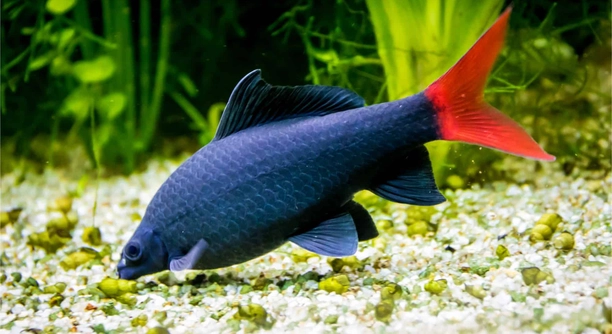
Are your rainbow sharks acting differently or showing signs of distress? These popular aquarium fish can become stressed due to various common factors. Recognizing the causes helps maintain a healthy environment for these beautiful creatures.
Rainbow sharks experience stress mainly due to poor water quality, overcrowding, improper tank setup, aggressive tank mates, insufficient hiding places, inconsistent feeding schedules, and sudden changes in their environment. These factors negatively affect their behavior and health.
Knowing what stresses your rainbow shark will help you improve its tank conditions and overall well-being. This article outlines the key reasons behind stress in rainbow sharks and how to address them effectively.
Poor Water Quality
Poor water quality is one of the leading reasons your rainbow shark might be stressed. These fish are sensitive to changes in their environment, and dirty or polluted water can cause them discomfort or illness. Ammonia, nitrite, and nitrate levels need to be closely monitored because even small increases can affect the fish’s health. Additionally, improper pH balance or temperature fluctuations can add to their stress. Regular water changes and proper filtration are essential to keep the tank clean and safe. Testing water parameters weekly helps catch problems early. If the water isn’t kept clean, rainbow sharks may lose their vibrant color and become lethargic. Maintaining good water quality requires commitment but significantly improves the fish’s quality of life.
Keeping water clean supports a healthy tank environment and reduces the risk of illness. This simple care step helps your rainbow shark stay active and stress-free.
Consistent monitoring and proper filtration systems are key to maintaining stable water conditions. Using a reliable water test kit can help you track important parameters, ensuring your tank remains safe. Avoid overcrowding, which worsens water quality by increasing waste. Installing a strong filter designed for your tank size improves circulation and removes harmful toxins. Regular partial water changes, about 20-30% weekly, are necessary to dilute waste buildup. Remember, even a slight imbalance in water chemistry can trigger stress. Proper water temperature, between 74-80°F (23-27°C), should be maintained to mimic their natural habitat. Keeping these factors in check helps your rainbow shark thrive and reduces stress-related behaviors such as hiding or loss of appetite.
Overcrowding and Aggressive Tank Mates
Overcrowding in the tank can cause significant stress for rainbow sharks. These fish require enough space to swim and establish territories. When the tank is too crowded, competition for space and resources increases, leading to aggressive behavior. Aggressive or incompatible tank mates can also harass your rainbow shark, making it feel threatened or stressed. It’s important to select peaceful companions and maintain proper stocking levels.
To reduce stress, provide a spacious tank with suitable companions and avoid overcrowding.
Rainbow sharks are territorial and prefer having their own space to swim freely. Overcrowded tanks limit movement and cause frequent conflicts, leading to constant stress. Aggressive species may nip fins or chase rainbow sharks, which weakens their immune system and causes health problems. Selecting calm, non-aggressive fish helps reduce stress and promote harmony. Ideally, keep only one rainbow shark per tank to avoid territorial disputes. Adding plenty of hiding spots also helps your fish escape confrontation. Proper tank size depends on the number and size of fish but generally should be at least 30 gallons for one rainbow shark. Monitoring behavior and adjusting stocking accordingly ensures a peaceful environment. Balancing community fish choices with space needs improves overall tank health and fish happiness.
Improper Tank Setup
An improper tank setup can create a stressful environment for rainbow sharks. They need a tank with enough swimming space, hiding spots, and proper substrate to feel secure and comfortable.
Rainbow sharks prefer tanks with smooth gravel or sand substrate, as sharp or rough materials can damage their delicate fins. They also need plenty of hiding places such as caves, plants, or decorations to retreat when feeling threatened. Without these, they may feel exposed and stressed. The tank should be long rather than tall, as rainbow sharks like to swim horizontally. Poorly arranged tanks limit their movement and natural behavior, increasing stress levels. Maintaining a setup that mimics their natural environment helps reduce stress and encourages healthy activity.
Proper lighting is important too. Too bright lighting without shaded areas can stress them, so use floating plants or dimmable lights. Water flow should be moderate, mimicking their natural river habitat. Adjusting these elements carefully creates a better space for your rainbow shark to thrive.
Inconsistent Feeding Schedule
Inconsistent feeding schedules can cause stress in rainbow sharks because they rely on routine for comfort and health. Skipping meals or feeding irregularly disrupts their metabolism and behavior.
Rainbow sharks need a balanced diet with consistent feeding times, typically once or twice daily. Irregular feeding can lead to overeating when food is offered, or increased aggression and restlessness when hungry. This inconsistency affects their energy levels and weakens their immune system. Feeding a variety of foods such as high-quality flakes, pellets, and occasional live or frozen items helps meet their nutritional needs. Avoid overfeeding, as leftover food pollutes water and harms the fish.
Maintaining a predictable feeding routine helps stabilize their behavior and reduces stress-related health issues. It also creates a sense of security in their environment. Planning feeding times and sticking to them ensures your rainbow shark stays healthy and calm.
Sudden Changes in Environment
Sudden changes in water temperature, pH, or tank decorations can stress rainbow sharks. They need stable conditions to feel secure and healthy.
Even small fluctuations can cause shock and weaken their immune system. Keeping the environment consistent is crucial for their well-being.
Lack of Hiding Places
Rainbow sharks feel safer with enough hiding spots in the tank. Without these, they become vulnerable and stressed.
Providing caves, plants, or decorations allows them to retreat and reduces anxiety. Hiding places improve their confidence and overall health.
Aggressive Behavior from Tank Mates
Aggressive tank mates cause constant stress by chasing or nipping rainbow sharks. This behavior damages fins and causes fear.
Choosing peaceful companions reduces conflict and keeps your fish calm. Monitoring interactions helps maintain a harmonious tank.
FAQ
Why is my rainbow shark hiding all the time?
Rainbow sharks hide when they feel stressed or threatened. Common reasons include aggressive tank mates, lack of hiding places, or sudden changes in their environment. Providing enough caves, plants, or decorations helps them feel secure. If they constantly hide, check water quality and tank conditions to reduce stress.
How often should I feed my rainbow shark?
Feeding once or twice a day is ideal. Consistency is important to avoid stress caused by hunger or overeating. Use high-quality pellets or flakes, supplemented occasionally with live or frozen food. Remove uneaten food promptly to maintain water quality.
Can rainbow sharks live with other fish?
Yes, but choose peaceful tank mates carefully. Avoid aggressive or territorial fish that may chase or nip fins. Good companions include tetras, barbs, and some catfish species. Always monitor interactions to prevent stress or injury.
What tank size is suitable for a rainbow shark?
A minimum of 30 gallons is recommended for one rainbow shark. Larger tanks provide more swimming space and reduce territorial conflicts. Tanks that are longer rather than taller suit their swimming style best.
How do I maintain water quality for my rainbow shark?
Test water parameters regularly, especially ammonia, nitrites, nitrates, pH, and temperature. Perform partial water changes weekly, around 20-30%, and use a reliable filtration system. Keep temperature between 74-80°F (23-27°C) for optimal comfort.
What signs indicate my rainbow shark is stressed?
Signs include loss of color, hiding excessively, reduced appetite, erratic swimming, or fin damage. Stress weakens their immune system, making them prone to disease. Addressing water quality, tank setup, and social environment helps reduce stress.
Why is my rainbow shark chasing other fish?
Rainbow sharks are territorial and may chase other fish, especially in small or overcrowded tanks. This behavior increases stress for all fish. Providing sufficient space and hiding spots, and limiting tank mates, helps reduce aggression.
How do I create hiding spots for my rainbow shark?
Use decorations like caves, rocks, driftwood, and live or artificial plants. Arrange them to create shaded areas and sheltered spaces. Avoid sharp objects that could harm fins. Hiding places offer security and reduce stress levels.
Can sudden water changes harm my rainbow shark?
Yes, sudden changes in water temperature or chemistry can cause shock and stress. Always perform water changes gradually, matching temperature and parameters as closely as possible. Use a water conditioner to remove harmful chemicals like chlorine.
What diet is best for a rainbow shark?
A varied diet including high-quality pellets, flakes, and occasional live or frozen foods like bloodworms or brine shrimp supports health. Avoid overfeeding to prevent water pollution. Feeding balanced meals promotes good coloration and energy levels.
How do I prevent fin damage in rainbow sharks?
Fin damage often results from aggressive tank mates or rough substrate. Keep compatible fish, provide hiding spots, and use smooth gravel or sand. Good water quality and reducing stress also help fins heal and stay healthy.
Is it normal for rainbow sharks to be active mostly at night?
Rainbow sharks are naturally more active during dawn and dusk. They may hide during bright daylight and explore more in low light. Providing shaded areas and a calm environment respects their natural behavior.
What temperature should I keep my rainbow shark tank at?
Maintain a stable temperature between 74-80°F (23-27°C). Sudden fluctuations can stress the fish. Use an aquarium heater with a reliable thermostat and monitor temperature regularly to ensure comfort.
How can I tell if my rainbow shark is sick?
Symptoms include loss of appetite, sluggishness, faded color, torn fins, or unusual swimming patterns. Early detection and treatment improve chances of recovery. Keep water clean and observe your fish daily for any changes.
What should I do if my rainbow shark is stressed?
Identify and remove the cause of stress, such as poor water quality, aggressive tank mates, or lack of hiding spots. Improve tank conditions gradually and maintain a consistent feeding schedule. Stress relief often requires patience and careful attention.
Taking care of a rainbow shark means paying close attention to its environment and needs. These fish can become stressed for several reasons, such as poor water quality, overcrowding, and sudden changes in their tank. Stress affects their health, behavior, and overall happiness. Making sure the water is clean and stable is one of the most important steps to keep them calm. Regular testing and water changes prevent harmful substances from building up. The tank should also be the right size, giving them enough space to swim and establish territories.
Choosing compatible tank mates and providing plenty of hiding places also help reduce stress. Rainbow sharks are territorial and can become aggressive or shy if they feel threatened. Creating a peaceful environment with calm fish and places to retreat makes a big difference. It is important to avoid sudden changes in water temperature or tank decorations, as these can shock the fish and cause anxiety. Keeping a consistent routine, especially when it comes to feeding, supports their well-being and reduces stress behaviors.
Overall, maintaining a balanced and stable habitat is key to a healthy rainbow shark. Paying attention to their needs and watching for signs of stress can help prevent health problems. By offering clean water, proper space, suitable companions, and a calm environment, you support your fish’s natural behavior and comfort. This simple care approach helps your rainbow shark live a longer, happier life in your aquarium.

Hello,
If you enjoy the content that we create, please consider saying a "Thank You!" by leaving a tip.
Every little bit helps us continue crafting quality advice that supports the health, happiness, and well-being of pets around the world, for pets of all shapes, sizes, and species.
We really appreciate the kindness and support that you show us!