
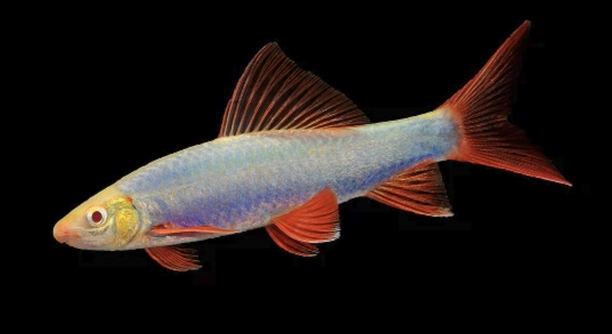
Rainbow sharks are popular aquarium fish known for their bright colors and active nature. However, their behavior can sometimes turn aggressive, which may surprise many fishkeepers. Understanding why your rainbow shark acts this way can help maintain a peaceful tank environment.
Aggression in rainbow sharks often results from territorial instincts, overcrowding, improper tank setup, or lack of hiding spaces. Stress, poor water conditions, and incompatible tank mates also contribute to increased aggression levels in these fish.
Identifying these causes early will help you create a balanced environment for your rainbow shark and improve its overall well-being.
Territorial Behavior and Space Requirements
Rainbow sharks are naturally territorial fish. They often claim certain areas of the tank as their own and defend them aggressively against other fish. When the tank is too small or overcrowded, these territorial instincts become stronger, causing frequent fights. Providing enough space reduces the stress caused by defending territory. A tank size of at least 30 gallons is recommended for one rainbow shark to have room to swim and claim its own area. Adding decorations like rocks or plants helps create natural boundaries, making the fish feel more secure. Without clear territories, your rainbow shark might feel threatened and react with aggression. Keeping the tank environment well-structured supports calmer behavior and improves coexistence with other fish.
Providing sufficient space and visual barriers helps ease aggression by allowing your rainbow shark to establish its own territory naturally.
Tank size and layout have a direct impact on rainbow shark behavior. A cramped or bare tank often leads to increased territorial disputes. Visual barriers such as plants or decorations give them separate zones to inhabit. This reduces constant exposure to rivals and lowers stress levels. When space is limited, fish cannot escape or establish boundaries, triggering fights. It is also important to avoid overcrowding. Each fish needs personal space to feel secure. Regular monitoring of tank conditions and tank mates helps prevent aggressive behavior. By designing a tank that respects their territorial needs, you create a healthier environment that minimizes conflicts and supports their natural behaviors.
Water Quality and Environmental Stress
Poor water quality is a major factor in aggressive behavior in rainbow sharks. High levels of ammonia, nitrites, or nitrates cause stress, making fish more prone to attack others. Consistent water changes and proper filtration are essential to keep water clean and stable. Temperature fluctuations and low oxygen levels also affect their mood. Maintaining ideal water parameters helps reduce stress and aggression. Clean, stable water conditions support the fish’s health and natural behavior.
Keeping water clean and stable helps prevent stress-induced aggression in your rainbow shark.
Rainbow sharks are sensitive to changes in their environment. Stress from poor water conditions weakens their immune system and triggers defensive behavior. Regular testing for ammonia, nitrite, nitrate, and pH levels is important. Adjusting water parameters promptly prevents health problems and aggression. Use a reliable filter to maintain water clarity and oxygenation. Consistent temperature control is also crucial, as rapid changes cause stress. Frequent partial water changes remove toxins and refresh the habitat. Stress reduction through water quality management is a simple but effective way to improve your rainbow shark’s temperament. Healthy water promotes peaceful interactions and enhances overall tank harmony.
Overcrowding and Tank Mates
Overcrowding causes stress and competition for resources, leading to aggression in rainbow sharks. Compatible tank mates help reduce conflicts and promote a peaceful environment.
Too many fish in one tank limit swimming space and increase competition for food and hiding spots. Rainbow sharks may feel threatened or challenged by close proximity to other fish, especially those with similar size or temperament. Avoid keeping multiple rainbow sharks together unless the tank is very large. Choose peaceful, non-aggressive species that can coexist without provoking fights. Introducing too many active or territorial fish can worsen aggression. Keeping an appropriate number of fish ensures better social balance and less stress.
Selecting tank mates requires care. Avoid fin-nippers or aggressive species that provoke your rainbow shark. Small, fast-moving fish may irritate it, increasing defensive behavior. Larger or equally territorial fish can lead to fights. A mix of calm bottom-dwellers and mid-level swimmers usually works well. Regular observation helps identify any signs of conflict early. Providing enough hiding spaces benefits all species and reduces stress-related aggression. Thoughtful stocking promotes a more harmonious tank where your rainbow shark can thrive.
Lack of Hiding Spaces
Without sufficient hiding spots, rainbow sharks feel exposed and vulnerable, increasing their aggression. Creating plenty of shelter helps them feel secure and calm.
Rainbow sharks naturally seek places to hide when feeling threatened or stressed. A tank lacking caves, plants, or decorations forces them into constant exposure, which raises anxiety and defensive behavior. Hiding spaces serve as safe retreats where they can rest and avoid confrontation. This reduces tension and limits aggressive outbursts. Providing a variety of shelters at different tank levels benefits their well-being. Dense plants, driftwood, and rocks create a natural environment that satisfies their need for cover. A well-decorated tank encourages natural behavior and lessens hostility.
A tank with hiding places also helps other fish avoid conflicts with rainbow sharks. When everyone has a safe spot, stress decreases for all species. This leads to a more peaceful and balanced aquarium. Prioritize creating enough hiding spaces before introducing new fish to avoid territorial disputes. Consistently maintaining these shelters supports your rainbow shark’s health and promotes calm interactions with tank mates.
Feeding Issues
Uneven feeding can cause competition and aggression among rainbow sharks. Regular, balanced meals help prevent this behavior.
If one fish eats more than others, it can provoke fights and stress. Feeding small amounts multiple times a day reduces hunger-driven aggression.
Stress from Handling and Changes
Handling rainbow sharks too often or sudden changes in the tank environment cause stress. Stress weakens their immune system and increases aggressive behavior. Minimizing disruptions and maintaining a stable environment helps keep aggression low.
Incompatible Tank Conditions
Water parameters like pH, temperature, and hardness affect rainbow shark health and behavior. Poor conditions can increase aggression. Regular testing and adjustments keep your fish calm and healthy.
Genetic Factors
Some rainbow sharks have more aggressive traits due to genetics. Selecting fish from reputable breeders may reduce aggressive tendencies.
Why is my rainbow shark attacking other fish?
Rainbow sharks are territorial and may attack other fish to defend their space. Overcrowding, lack of hiding spots, or incompatible tank mates often trigger this behavior. Stress from poor water quality or sudden changes can also increase aggression. Ensuring enough space, stable water conditions, and peaceful companions helps reduce attacks.
How can I reduce aggression in my rainbow shark?
Provide a spacious tank with plenty of hiding places and visual barriers to help your rainbow shark feel secure. Choose compatible, non-aggressive tank mates. Maintain clean, stable water parameters through regular testing and partial water changes. Feeding your fish consistently with quality food also reduces competition and stress, lowering aggression.
Is it normal for rainbow sharks to be aggressive?
Some level of aggression is natural for rainbow sharks due to their territorial instincts. However, excessive aggression usually signals problems like overcrowding, poor water quality, or lack of hiding spaces. Addressing these factors can balance their behavior and promote a more peaceful tank environment.
Can keeping multiple rainbow sharks together cause fights?
Yes, housing multiple rainbow sharks in a small tank often leads to territorial disputes and fighting. They require ample space and distinct territories. If your tank is not large enough, it’s best to keep only one rainbow shark or provide a very spacious setup with plenty of barriers.
What tank size is best for a rainbow shark?
A minimum of 30 gallons is recommended for one rainbow shark to have enough swimming space and territory. Larger tanks are necessary for multiple fish or if you keep other species to reduce territorial aggression and overcrowding stress.
How do I choose good tank mates for my rainbow shark?
Select peaceful, similarly sized fish that occupy different tank levels. Avoid aggressive or fin-nipping species that may provoke fights. Bottom-dwellers or fast-moving mid-level swimmers usually work well. Monitor interactions closely to prevent conflicts and adjust tank mates if needed.
What water conditions do rainbow sharks need?
Rainbow sharks thrive in water with a pH between 6.5 and 7.5, temperature around 72-79°F (22-26°C), and moderate hardness. Stable parameters and clean water reduce stress and aggression. Regular water testing and filtration maintenance are essential.
Can stress cause aggression in rainbow sharks?
Yes, stress from poor water quality, sudden environmental changes, or frequent handling weakens rainbow sharks and triggers aggressive behavior. Minimizing disruptions and maintaining a stable, clean environment helps keep them calm and healthy.
How often should I feed my rainbow shark?
Feed your rainbow shark small amounts 1-2 times daily with a balanced diet. Overfeeding or underfeeding can cause stress and aggression. Providing quality sinking pellets, flakes, or live food supports health and reduces competition during feeding.
Are some rainbow sharks naturally more aggressive?
Genetics can influence temperament, and some rainbow sharks may be naturally more aggressive. Buying from reputable breeders and selecting calmer individuals can help reduce aggressive tendencies in your tank. However, environment and care play the biggest role in behavior.
Final Thoughts
Rainbow sharks can be wonderful additions to home aquariums because of their bright colors and active nature. However, their aggressive behavior can create challenges for fishkeepers. Understanding the common reasons behind this aggression is important to create a balanced and peaceful tank. Factors like territorial instincts, overcrowding, poor water quality, and lack of hiding spots often cause rainbow sharks to act aggressively. Addressing these issues helps reduce conflicts and promotes a healthier environment for all fish.
Maintaining the right tank size and carefully selecting compatible tank mates are crucial steps. Overcrowding increases stress and competition, which often leads to fighting. Providing enough space and visual barriers allows rainbow sharks to establish their own territory and feel secure. Equally important is regular tank maintenance. Consistent water testing, proper filtration, and stable conditions prevent environmental stress that can trigger aggressive behavior. Feeding your fish properly and on a regular schedule also reduces competition and frustration during feeding times.
While some level of aggression is natural for rainbow sharks, most problems can be managed through proper care and setup. Watching for early signs of aggression and making adjustments quickly improves the well-being of your fish. With patience and attention to their needs, rainbow sharks can coexist peacefully with other species. Creating a balanced environment benefits not only the rainbow shark but the entire aquarium community, resulting in a more enjoyable and stress-free experience for the fishkeeper.

Hello,
If you enjoy the content that we create, please consider saying a "Thank You!" by leaving a tip.
Every little bit helps us continue crafting quality advice that supports the health, happiness, and well-being of pets around the world, for pets of all shapes, sizes, and species.
We really appreciate the kindness and support that you show us!