
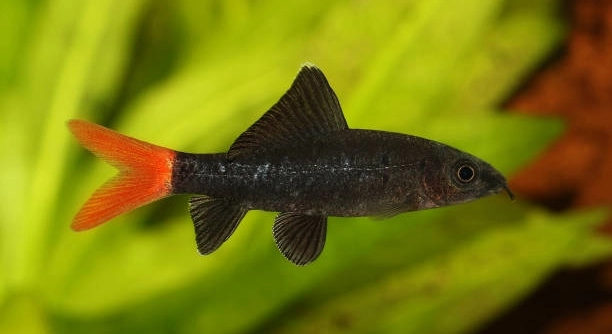
Is your rainbow shark behaving differently—darting around, hiding more often, or even acting aggressive toward tank mates? These changes might seem small, but they can be signs of stress in your fish.
The most common reason your rainbow shark might be acting stressed is due to an unsuitable tank environment. Factors like tank size, poor water quality, overcrowding, or lack of hiding spaces can negatively impact their behavior and overall health.
Understanding these stress signals can help you make important changes to your tank setup and care routine for a happier, healthier rainbow shark.
1. The Tank Is Too Small
Rainbow sharks need space to feel safe. A tank that’s too small can make them feel boxed in and anxious. Even though they’re not very big, they enjoy having room to swim and explore. A cramped tank can cause aggressive behavior, especially toward other fish. It’s common for people to keep rainbow sharks in tanks that are under 30 gallons, but that can quickly lead to stress. When they don’t have enough space, they’re more likely to hide or act out. This can lead to health problems and a shorter lifespan. To reduce stress, a single rainbow shark should have at least a 55-gallon tank. They prefer long tanks with plenty of bottom space. When given more room, they tend to be calmer and more active in a healthy way.
Tanks that are too small create competition and territorial issues, especially when other bottom dwellers are present. More space gives them boundaries.
If your rainbow shark seems restless or aggressive, upgrading the tank size might be the first and most effective solution. Make sure the tank has a secure lid, enough open swimming space, and a few places to retreat when it feels overwhelmed. That alone can make a noticeable difference.
2. Water Conditions Are Poor
Poor water quality is one of the fastest ways to stress out a rainbow shark. Dirty or unstable conditions can make them feel sick and uncomfortable.
A rainbow shark needs clean, well-filtered water with stable temperature and pH levels. Ammonia, nitrite, and nitrate levels should always be monitored closely. Even small spikes can be harmful. A high-quality filter, along with regular water changes, can prevent buildup and reduce stress. Make sure the temperature stays between 75–80°F, and the pH is kept between 6.5 and 7.5. Sudden changes in temperature or pH can be especially hard on them. It’s also helpful to avoid overfeeding, as leftover food contributes to water issues. A basic test kit can help you track changes before they become a serious problem. If your rainbow shark is acting stressed—darting, hiding, or losing color—it’s important to check water conditions first. Clean water supports their immune system, lowers aggression, and helps them feel secure in their environment.
3. There’s Not Enough Hiding Space
Rainbow sharks like having private spaces where they can rest or retreat. Without hiding spots, they may feel exposed and unsafe, which leads to stress and erratic behavior.
Adding caves, plants, or decorations helps your shark feel secure. These spots give them a place to calm down when they feel overwhelmed. If the tank is too open, they may become aggressive toward tank mates or constantly hide behind the filter. Using driftwood, smooth rocks, or resin ornaments is a simple way to create shelter without taking up too much space. Just make sure the items don’t have sharp edges. When rainbow sharks feel they have control over their space, they tend to relax more and behave better in community setups. This change in environment can improve their health and make them feel more comfortable.
Creating zones in the tank can also prevent conflict. When the rainbow shark has its own section to retreat to, it’s less likely to feel territorial. It’s best to place hiding spots throughout the bottom of the tank since rainbow sharks like to stay near the substrate. If you have more than one bottom-dweller, add multiple shelters so each fish has its own space. This helps lower tension.
4. Tank Mates Are Not Compatible
Rainbow sharks can get aggressive when placed with the wrong types of fish. They are naturally territorial and don’t like to share their space with similar-looking or bottom-dwelling fish.
Fish that resemble rainbow sharks in shape, color, or behavior can easily trigger defensive reactions. This includes other sharks, red-tailed black sharks, and fish that also stay near the bottom of the tank. Fast-moving or overly curious fish may also stress them out. It’s best to pair rainbow sharks with mid- to top-level swimmers that are peaceful and quick enough to avoid confrontation. Fish like barbs, danios, or rainbowfish are usually safer choices. When choosing tank mates, it’s not just about size—it’s about habits. Avoid fish that compete for territory or crowd the shark’s favorite zones. Compatibility plays a big role in their comfort and overall health, and choosing tank mates carefully can reduce stress and make the tank feel calm.
5. The Lighting Is Too Harsh
Strong or constant lighting can make a rainbow shark feel exposed. They prefer dimmer setups that mimic the shaded parts of rivers. Bright lights with no breaks can increase stress.
Use a moderate light level and provide plants or decorations that create shaded areas. Avoid leaving the lights on all day.
6. Feeding Is Inconsistent
Rainbow sharks can become stressed when they aren’t fed on a regular schedule. They feel more secure when food arrives at the same time each day. Sudden changes or skipped feedings can lead to anxiety or aggression. They may also start showing unusual behavior like pacing or hiding. Feed them once or twice a day in small portions they can finish quickly. Uneaten food can harm water quality, which adds another source of stress. Stick to a balanced diet of sinking pellets, algae wafers, and occasional treats like blanched vegetables. Predictable feeding helps them feel safe and lowers tension in the tank.
7. There’s Too Much Noise or Movement Nearby
Rainbow sharks are sensitive to vibrations and sudden movement. A tank placed near speakers, heavy foot traffic, or a loud TV can leave them feeling uneasy. A calmer location helps them stay relaxed.
FAQ
Why is my rainbow shark chasing other fish?
Rainbow sharks often chase other fish when they feel their space is being invaded. This is especially true in smaller tanks or when the tank mates are also bottom dwellers. Chasing is a sign of territorial behavior, not always aggression with the intent to harm. If the tank is too crowded or doesn’t have clear zones, the rainbow shark may try to push others away to claim its area. Adding hiding spots, creating visual barriers, and making sure there’s enough room for everyone can help reduce this kind of behavior. Choose tank mates that swim in different areas of the tank.
Can I keep more than one rainbow shark in the same tank?
It’s not recommended to keep multiple rainbow sharks in the same tank unless the tank is very large, usually over 125 gallons. They are solitary and highly territorial, especially with their own kind. Keeping more than one can lead to constant chasing, stress, and even injury. If you really want to try it, make sure the tank is long and heavily decorated to break the line of sight. Also, introduce them when they are young and at the same time. Still, there’s always a risk they won’t tolerate each other. One rainbow shark per tank is usually safest.
How do I know if my rainbow shark is stressed?
Stressed rainbow sharks often show changes in behavior and appearance. Common signs include darting, hiding more than usual, chasing other fish, or losing their color. Some may stop eating or become more aggressive. They might also rub against objects in the tank or hang near the bottom without moving much. These signs are usually triggered by poor water conditions, tank mates, or changes in their environment. Always check your water parameters first. If those are fine, review your tank setup, lighting, and feeding habits. Identifying the cause early helps prevent long-term health issues.
What’s the best diet for a rainbow shark?
Rainbow sharks are omnivores and need a balanced diet to stay healthy. A good base is sinking pellets or wafers made for bottom feeders. You can add variety with algae wafers, blanched vegetables like zucchini or spinach, and occasional protein like bloodworms or brine shrimp. Feed them once or twice a day and only give what they can eat in a couple of minutes. Overfeeding can pollute the water and cause stress. A varied diet supports their immune system and keeps their colors bright. Avoid feeding only flakes or only one type of food long-term.
Is it normal for my rainbow shark to hide all the time?
Some hiding is normal, especially when the lights are on or they’re new to the tank. But if your rainbow shark hides constantly and avoids swimming during normal hours, it may be stressed or sick. Check water quality, tank size, and whether it has enough hiding spaces. Loud sounds or sudden changes in the environment can also make them more timid. If the behavior started suddenly, look for other changes too—like color loss, poor appetite, or signs of injury. Most rainbow sharks become more active and visible once they feel secure in their tank.
Do rainbow sharks sleep?
Yes, rainbow sharks do sleep, though it looks different from how mammals rest. They often stay still near the bottom or inside a hiding spot, usually when the tank is dark. Their activity naturally slows down at night. It’s important to provide a clear day-night cycle by turning off the tank light for 8 to 10 hours each night. Avoid disturbing them during this time. Constant lighting or noise can disrupt their rest and lead to stress. A regular light schedule helps them stay healthy and behave more calmly during the day.
Final Thoughts
Rainbow sharks are unique, beautiful fish, but they need the right environment to feel safe and act normally. When they start showing signs of stress—like hiding, chasing other fish, or darting around—it usually means something in their setup is off. It might be the tank size, poor water conditions, or just the wrong type of tank mates. These issues can be easy to miss at first, but they can slowly make your shark feel uncomfortable and anxious. That stress can lead to long-term health problems, like a weak immune system or lack of appetite. Taking time to understand their needs can make a big difference.
Making a few changes in their care routine can often lead to quick improvements. A larger tank, a stable feeding schedule, and some hiding places can help your rainbow shark feel more at ease. Clean water and a calm location also help reduce stress. Rainbow sharks don’t need a lot of attention, but they do need consistency. Watching their behavior closely can help you spot problems before they get worse. When they feel safe, they are more active, healthy, and easier to enjoy. If your shark starts acting stressed, it’s worth checking each part of their setup one by one.
Caring for a rainbow shark takes a bit of planning, but it’s very doable. These fish are hardy when their needs are met and can live for several years in the right tank. Even small changes like adjusting the lighting, spacing out hiding spots, or switching up tank mates can lead to better behavior and less stress. Every rainbow shark has its own personality, so it may take time to find what works best. Paying attention to their habits and making changes slowly is usually the best approach. With the right care, your rainbow shark can become a confident and calm addition to your aquarium.

Hello,
If you enjoy the content that we create, please consider saying a "Thank You!" by leaving a tip.
Every little bit helps us continue crafting quality advice that supports the health, happiness, and well-being of pets around the world, for pets of all shapes, sizes, and species.
We really appreciate the kindness and support that you show us!