
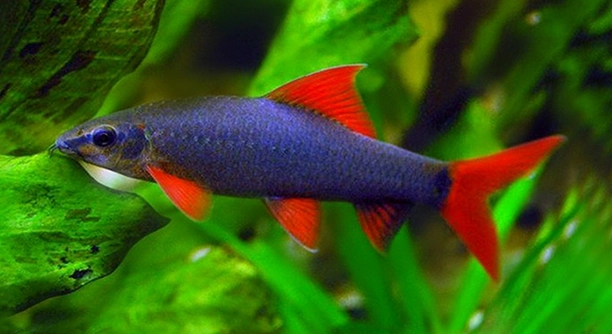
Is your rainbow shark acting aggressive, hiding more than usual, or chasing other fish around the tank without warning?
Behavioral changes in rainbow sharks often stem from territorial stress, unsuitable tank conditions, or the presence of incompatible tank mates. These issues disrupt their natural patterns and can lead to signs of aggression, fear, or dominance.
Understanding these reasons will help you create a safer, calmer environment for your fish and prevent future stress-related problems in your aquarium.
Stress from Tank Mates or Environment
Rainbow sharks can become stressed when housed with fish that invade their space or provoke them. Their territorial nature makes them prone to aggression when they feel threatened or overwhelmed. Keeping them with fast-moving or similarly aggressive fish often triggers unwanted behavior. A tank that’s too small can also heighten their stress, giving them no place to retreat or claim as their own. Proper tank setup, including hiding spots and room to swim, plays a key role in keeping them calm. Lighting, water quality, and sudden changes to their surroundings also affect their behavior more than most people realize.
Choose peaceful, bottom-dwelling tank mates and avoid placing them with other rainbow sharks or similar-looking species.
Rainbow sharks need structure in their environment. Rocks, driftwood, and plants help them feel secure. Consistent lighting schedules and routine water checks reduce their stress. Keep their tank around 75–81°F with a slightly acidic to neutral pH. Avoid overcrowding.
Lack of Personal Space
Rainbow sharks need room to establish a territory. A cramped tank causes constant confrontation with other fish, which leads to defensive and aggressive actions. Without space to retreat, they may chase, nip, or hide excessively.
A tank smaller than 50 gallons doesn’t give rainbow sharks enough space to feel secure. As territorial bottom dwellers, they need distinct zones where they can rest without interruption. When those zones are invaded by other fish, they react by becoming more defensive and aggressive. This behavior may intensify if the tank includes other bottom-feeding species like red-tail sharks, loaches, or catfish. These fish can be seen as competitors, triggering a territorial response. To reduce this tension, provide caves, rocks, and plants to create visual barriers. These simple additions help break line of sight and lower conflict. You’ll also want to avoid overfeeding, as leftover food can draw too many fish to the bottom at once, sparking even more friction.
Poor Water Quality
Poor water quality can make your rainbow shark act out. High ammonia, nitrite, or nitrate levels can irritate their skin and gills, causing stress. Fluctuating pH levels and unclean tanks also lead to aggressive or erratic behavior.
Rainbow sharks need stable water conditions to stay calm and healthy. Uncycled tanks or irregular maintenance can cause a buildup of harmful toxins. Perform regular water changes—about 25% weekly—and test the water with reliable kits. Keep ammonia and nitrites at zero, and nitrates under 40 ppm. Sudden shifts in temperature or pH can shock your fish, so adjust gradually. Use a good filter and avoid overfeeding, as leftover food contributes to poor water conditions. Dirty gravel and hidden debris can also impact water quality, so clean those areas as part of your routine. These small changes make a big difference in how your shark behaves in its tank.
If your rainbow shark seems to lash out or isolate itself, test your water immediately. Irritation from ammonia or pH swings often triggers mood changes. Even small inconsistencies, like chlorine from untreated tap water, can create long-term stress. Keep their tank temperature stable and use a heater if necessary. A digital thermometer helps you track changes quickly. When your water stays clean and consistent, your shark stays calm.
Inadequate Diet
Feeding your rainbow shark the wrong type or amount of food can affect its behavior. Lack of variety, low-quality pellets, or irregular feeding schedules often lead to restlessness, food guarding, or aggression toward other tank mates.
Rainbow sharks need a balanced diet that includes both plant and protein sources. While many people rely solely on sinking pellets, adding blanched vegetables like zucchini or spinach helps with digestion and reduces irritability. Frozen bloodworms or brine shrimp offer a protein boost, but shouldn’t be the only food source. Feed them once or twice a day in small amounts to avoid overeating and water pollution. Stick to a consistent schedule to prevent anxiety around feeding times. Rotate foods weekly to keep them interested and healthy. A well-fed shark is far less likely to become aggressive or defensive. If you notice chasing or bullying after feeding, try spreading the food across different areas of the tank.
Tank Is Too Small
A small tank limits movement and increases tension. Rainbow sharks are territorial and need at least 50 gallons to swim freely. Without enough space, they become frustrated and may act out toward other fish or hide constantly.
Cramped tanks also make it hard to set up hiding spots. Without visual barriers, rainbow sharks feel exposed and unsafe. This stress often turns into aggression or erratic behavior. Expanding the tank gives them more room to establish territory and reduces constant conflict with tank mates.
Lighting Is Too Harsh or Inconsistent
Bright or constantly changing lighting can disturb your rainbow shark’s sense of safety. Sudden shifts can trigger stress responses, leading to hiding, aggression, or fast swimming. Use a consistent day-night cycle, and avoid turning lights on or off suddenly. Dim, steady lighting creates a calmer tank environment.
Not Enough Hiding Spots
Without proper hiding spaces, your rainbow shark won’t feel secure. This can lead to aggression, fear, or nonstop movement. Add caves, rocks, or driftwood to give them places to rest and escape attention.
FAQ
Why is my rainbow shark chasing other fish?
Rainbow sharks are naturally territorial, especially toward fish that share their preferred swimming zones or look similar. Chasing is a way to establish dominance and protect their space. It can increase if the tank is crowded or lacks hiding spots. Ensuring enough room and visual barriers can reduce this behavior.
How can I calm an aggressive rainbow shark?
Start by checking the tank size and water quality. A clean, stable environment with at least 50 gallons and proper filtration helps calm them. Add plants or decorations to break the line of sight. Avoid keeping multiple rainbow sharks or aggressive species together. Feeding a balanced diet on a regular schedule also lowers aggression.
Is it normal for rainbow sharks to hide a lot?
Yes, hiding is a natural behavior when they feel stressed or threatened. It often means your tank setup needs adjustment, such as more hiding places, better water quality, or less aggressive tank mates. They also hide when resting or during changes in lighting.
Can poor water quality cause behavior changes?
Absolutely. High ammonia, nitrite, or nitrate levels irritate fish and cause stress. This can make your rainbow shark act aggressively, hide constantly, or lose appetite. Regular water testing and maintenance are essential to keep the water clean and stable.
What tank mates work best with rainbow sharks?
Peaceful, fast-swimming fish that occupy different tank levels work best. Avoid other bottom dwellers like loaches or catfish, which compete for territory. Good companions include tetras, gouramis, and danios. Always monitor for signs of aggression and be ready to separate if needed.
How often should I feed my rainbow shark?
Feed small amounts once or twice a day. Overfeeding pollutes the tank and can stress your fish. Include sinking pellets, occasional frozen foods, and vegetables to provide a balanced diet. Maintaining a feeding routine reduces anxiety and aggressive food guarding.
What temperature is ideal for rainbow sharks?
They thrive in temperatures between 75°F and 81°F. Keeping the water stable within this range is important to avoid stress. Sudden temperature changes can cause erratic behavior or health issues.
Can overcrowding cause my rainbow shark to act out?
Yes. Too many fish increase competition for space and resources, causing stress and aggression. Overcrowding reduces swimming space and hiding spots, leading to frequent territorial disputes. Maintain proper stocking levels based on tank size.
What signs show my rainbow shark is stressed?
Look for hiding more than usual, erratic swimming, loss of appetite, color fading, or constant chasing of other fish. Stress often results from poor water conditions, inadequate space, or aggressive tank mates. Address these issues promptly to improve their well-being.
How do I create hiding spots for my rainbow shark?
Use decorations like caves, rocks, driftwood, or dense plants. Position them to break the line of sight between fish and provide multiple retreats. Natural materials are preferred, as they feel more secure and promote natural behavior. Rotate hiding spots occasionally to keep the environment interesting.
When caring for a rainbow shark, understanding its behavior is key to keeping it healthy and calm. These fish are naturally territorial and need plenty of space to swim and claim their own area. When they feel crowded or stressed, they may act out by chasing other fish, hiding too much, or showing aggression. Making sure the tank is large enough and has enough hiding places can help reduce this tension. It’s also important to choose compatible tank mates that do not compete for the same territory or cause unnecessary stress.
Maintaining good water quality is another crucial part of caring for rainbow sharks. They are sensitive to changes in water conditions, and poor water quality can quickly lead to stress and behavioral problems. Regular water testing and changes are necessary to keep ammonia, nitrites, and nitrates at safe levels. Stable temperature and pH are also important to prevent sudden shocks that can upset your fish. Keeping the tank clean and filtered helps maintain a healthy environment that supports your rainbow shark’s well-being.
Feeding your rainbow shark a balanced diet on a consistent schedule is just as important as tank conditions. Offering a variety of foods, including sinking pellets, vegetables, and occasional protein sources, keeps them healthy and satisfied. Overfeeding or poor nutrition can lead to stress and aggression. When these basic needs are met, your rainbow shark is more likely to behave calmly and display its natural colors and behaviors. Paying attention to these factors will help you enjoy a peaceful and lively aquarium with a happy rainbow shark.

Hello,
If you enjoy the content that we create, please consider saying a "Thank You!" by leaving a tip.
Every little bit helps us continue crafting quality advice that supports the health, happiness, and well-being of pets around the world, for pets of all shapes, sizes, and species.
We really appreciate the kindness and support that you show us!