
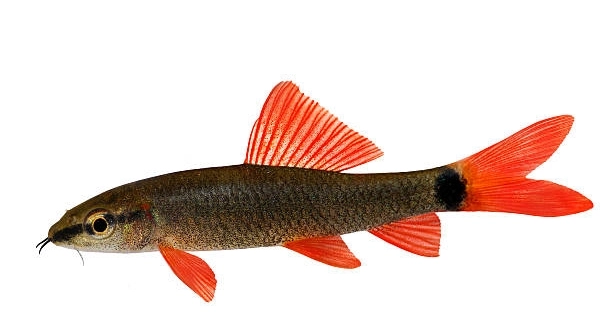
Rainbow Sharks are popular freshwater fish known for their vibrant colors and active swimming. Sometimes, their swimming behavior can change and appear unusual. Recognizing these changes early helps in maintaining a healthy environment for your fish.
Abnormal swimming in Rainbow Sharks often results from water quality issues, stress, illness, injury, or inadequate tank conditions. Each factor disrupts their normal movement patterns, requiring prompt attention to ensure the fish’s well-being and prevent further complications.
Understanding the reasons behind their odd swimming can improve care and prevent serious health problems in your aquatic pets. This article outlines key causes and solutions to help you support your Rainbow Shark’s health.
Poor Water Quality
Rainbow Sharks are sensitive to their water environment. When ammonia, nitrites, or nitrates build up, their swimming can become erratic or sluggish. High levels of toxins cause stress and damage to their gills, making it harder for them to breathe and move normally. In addition, water that is too warm or too cold disrupts their metabolism and energy. Regular water testing and partial water changes are essential. Make sure the tank is properly cycled before introducing your fish. Using a good filtration system also helps maintain clean water. Keeping consistent water parameters avoids sudden shocks that can upset your Rainbow Shark’s behavior.
Consistent monitoring of water conditions prevents many health issues. Stable water parameters promote regular swimming patterns and overall vitality.
Checking water quality and adjusting conditions quickly helps your Rainbow Shark feel secure. This will improve its swimming and reduce health risks over time.
Stress from Tank Environment
Stress can cause your Rainbow Shark to swim strangely. Overcrowding, aggressive tank mates, or a lack of hiding spaces increase anxiety in your fish. Bright lighting or sudden noises may also contribute. Stress weakens their immune system, making them prone to illness and unusual movements. Providing enough space and compatible tank mates creates a calm environment. Add plants or decorations where the fish can hide and feel safe. Keep the tank in a quiet area away from frequent disturbances. Reducing stressors leads to healthier behavior and normal swimming patterns. Observing your fish regularly helps identify stressful situations early, so you can make changes quickly. By improving the tank environment, your Rainbow Shark will swim more naturally and appear less restless. Prioritizing these changes will enhance your fish’s comfort and long-term health.
Illness and Disease
Illness is a common cause of abnormal swimming in Rainbow Sharks. Parasites, bacterial infections, and swim bladder disorders can affect their movement.
Parasites can irritate your fish and cause it to swim oddly or rub against objects. Bacterial infections may lead to lethargy and difficulty swimming properly. Swim bladder problems affect buoyancy, causing the fish to float sideways or upside down. Treatment depends on the diagnosis but often includes medication and water quality improvement. Early detection is key to prevent worsening symptoms and ensure recovery.
If your Rainbow Shark shows signs of illness, isolate it from other fish to avoid spreading disease. Maintain clean water and follow treatment guidelines carefully. Regular observation can help catch problems before they become severe, improving the chance of successful treatment.
Injury or Physical Damage
Injuries from sharp tank decorations, fights, or accidents can cause strange swimming behavior. These wounds may not always be obvious but can affect movement.
A damaged fin or body injury often leads to uneven swimming or difficulty maintaining balance. If your Rainbow Shark has torn fins, keep the tank clean to avoid infections. Avoid overcrowding to reduce chances of aggression and injury. Sometimes, injuries cause pain, making the fish reluctant to swim normally. Healing takes time, and reducing stress during this period is important. Monitor the injury and watch for signs of infection or worsening condition. Providing a gentle environment helps your fish recover and regain normal swimming patterns more quickly.
Inadequate Diet
An improper diet can affect your Rainbow Shark’s energy and swimming behavior. Lack of essential nutrients weakens their muscles and causes lethargy.
Feeding a balanced diet with high-quality flakes, pellets, and occasional live or frozen food supports their health. Avoid overfeeding, as excess food pollutes the water and stresses the fish.
Temperature Fluctuations
Sudden changes in tank temperature can disturb your Rainbow Shark’s metabolism. This results in slower, uneven, or restless swimming. Maintaining a stable temperature between 74°F and 80°F is important for their comfort and normal activity levels.
Tank Size and Space
Crowded tanks limit swimming room and increase stress. Rainbow Sharks need at least 30 gallons to swim freely and thrive. Small tanks cause them to bump into decorations or other fish, which can alter their natural swimming behavior.
FAQ
Why is my Rainbow Shark swimming upside down?
Swimming upside down often indicates swim bladder disorder or buoyancy problems. This can be caused by infection, injury, or poor water quality affecting the fish’s ability to control its position in the water. Adjusting water parameters and treating infections usually helps restore normal swimming.
Can stress make my Rainbow Shark swim erratically?
Yes, stress from overcrowding, aggressive tank mates, or sudden changes in environment can cause unusual swimming patterns. Stress weakens their immune system and makes them more vulnerable to illness, which often results in erratic movements.
How do water conditions affect my fish’s swimming?
Poor water quality, including high ammonia or nitrite levels, damages gills and affects breathing. This leads to sluggish or erratic swimming. Maintaining stable water parameters through regular testing and cleaning is essential for healthy behavior.
What diet supports healthy swimming in Rainbow Sharks?
A balanced diet of high-quality flakes or pellets, combined with occasional live or frozen foods, provides necessary nutrients. Avoid overfeeding as uneaten food pollutes the tank and stresses fish, causing abnormal swimming.
Can injuries cause weird swimming?
Yes, injuries from sharp objects or fights can impair movement. Damaged fins or body wounds affect balance and swimming ability. Keeping the tank safe and avoiding overcrowding reduces injury risks.
Is tank size important for swimming behavior?
Rainbow Sharks need ample space to swim comfortably. Small or overcrowded tanks limit movement and cause stress, leading to abnormal swimming. A minimum of 30 gallons is recommended.
How long does it take for a Rainbow Shark to recover from stress or illness?
Recovery depends on the cause and severity. Minor stress may resolve in a few days after improving conditions. Illness or injury can take several weeks. Consistent care and monitoring speed up healing.
Should I quarantine my Rainbow Shark if it swims weirdly?
Yes, isolating a fish showing unusual swimming helps prevent disease spread and allows focused treatment. Use a separate quarantine tank with clean water and observe closely for improvement.
Can temperature changes affect swimming?
Sudden temperature shifts disrupt metabolism and energy levels, causing sluggish or erratic swimming. Keep tank temperature stable, ideally between 74°F and 80°F, to support normal activity.
When should I seek professional help for my Rainbow Shark?
If abnormal swimming continues despite improving water quality, diet, and tank conditions, consult an aquatic vet. Persistent or worsening symptoms may require expert diagnosis and treatment.
Taking care of a Rainbow Shark involves understanding its behavior and environment well. When you notice your fish swimming strangely, it’s important to consider several possible reasons. Poor water quality, stress, illness, injuries, diet, temperature changes, and tank size all affect how your fish moves. Paying close attention to these factors helps prevent bigger problems and keeps your fish healthy.
Keeping the tank clean and stable is one of the most important steps. Regular water testing and partial water changes remove harmful toxins and maintain a safe space for your fish. Providing a balanced diet with good nutrition supports strong muscles and energy for normal swimming. Making sure your Rainbow Shark has enough room to swim freely reduces stress and prevents injuries. Also, creating a calm environment with hiding places helps your fish feel safe and less anxious.
If your Rainbow Shark continues to swim oddly despite your efforts, it might be sick or injured. In such cases, isolating the fish in a quarantine tank and seeking advice from a professional can be necessary. Early action can prevent serious health issues and improve recovery. Understanding these basic care principles allows you to provide the best environment for your Rainbow Shark and enjoy watching its natural, healthy behavior in your aquarium.

Hello,
If you enjoy the content that we create, please consider saying a "Thank You!" by leaving a tip.
Every little bit helps us continue crafting quality advice that supports the health, happiness, and well-being of pets around the world, for pets of all shapes, sizes, and species.
We really appreciate the kindness and support that you show us!