
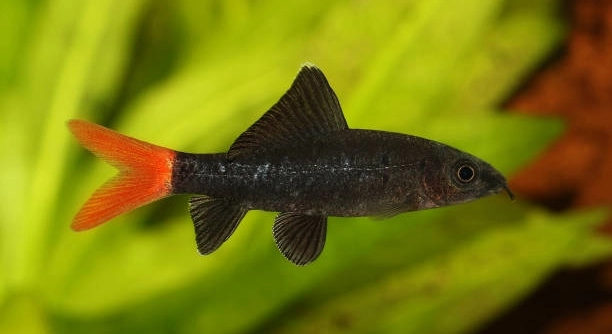
Is your rainbow shark suddenly swimming in strange patterns, staying near the top, or even darting around the tank for no clear reason?
Odd swimming behavior in rainbow sharks is usually caused by stress, poor water quality, illness, or improper tank setup. These factors can affect their behavior, making them swim erratically or isolate themselves from other tank mates.
Learning more about what’s affecting your rainbow shark can help you fix the issue and make sure your fish stays safe and healthy.
Poor Water Quality
Dirty water can quickly cause problems for your rainbow shark. These fish are sensitive to changes in their environment. When ammonia or nitrite levels rise, your shark may begin swimming erratically or gasping at the surface. A lack of oxygen or sudden pH shifts can also stress them. Regular testing helps you monitor these levels. Weekly partial water changes are important to keep conditions stable. Using a filter that matches the size of your tank will also help remove waste and keep the water moving. Overfeeding can lead to waste buildup, so be mindful of how much food you give. Uneaten food and decaying plants should be removed daily to avoid sudden spikes in toxins. If your fish is acting strange, test the water immediately and take steps to correct anything out of balance. Addressing poor water quality early can prevent long-term harm to your rainbow shark.
Even clean-looking water can hold harmful toxins, so testing regularly is key. A well-maintained tank is your best line of defense against odd behavior.
When your fish isn’t acting like itself, it’s easy to overlook something as basic as water. But rainbow sharks need stable, clean water to thrive. Ammonia, nitrite, and nitrate levels must stay within safe limits, and the pH should remain steady. If your shark is suddenly swimming near the surface, hiding excessively, or darting quickly across the tank, poor water conditions could be the reason. A reliable test kit and a consistent cleaning routine are important tools to help prevent stress and illness. Even experienced fishkeepers can run into issues if routine checks are skipped.
Tank Size and Setup
A small or poorly arranged tank can stress your rainbow shark, causing it to behave differently or become aggressive.
Rainbow sharks need plenty of space to swim and explore. A tank that’s too small makes them feel crowded and uncomfortable. A minimum of 50 gallons is best, especially if other fish share the space. These fish are territorial and can become aggressive if they don’t have room to claim an area of their own. You should also include decorations and hiding spots such as caves or plants. These give your shark a sense of security and help reduce stress. An open tank with nowhere to hide can make them nervous, leading to fast or jerky swimming. Bright lights can also disturb them if the tank lacks shaded areas. A well-designed tank layout encourages healthy movement and natural behavior. By giving your rainbow shark the space and structure it needs, you’re more likely to see it swimming calmly and comfortably.
Illness or Infection
A rainbow shark that swims oddly might be dealing with an illness. Common signs include clamped fins, loss of appetite, and changes in color. Parasites, bacterial infections, or swim bladder issues could all be responsible. Watching closely helps you catch the problem early.
If your shark is tilting to one side, floating upside down, or struggling to maintain balance, it might have a swim bladder issue. This can happen from overeating, constipation, or an internal infection. Feeding a peeled, cooked pea can sometimes relieve constipation. However, if symptoms continue, you’ll need to isolate the fish and consider medication. Bacterial infections may also cause sluggish swimming or open sores. In that case, antibacterial treatments designed for aquarium use are necessary. Make sure to read and follow the instructions carefully. Keeping the water clean and using quarantine tanks for new fish will also help prevent infections from spreading.
Sometimes, odd swimming behavior points to external parasites like ich or flukes. If you notice white spots or scratching against objects, it’s likely a parasite issue. These parasites irritate the fish’s skin and gills, which can lead to erratic movements. You’ll need to treat the entire tank using a trusted anti-parasitic medication. Keep up with daily water tests during treatment, as medications can affect water chemistry. A slight temperature increase may also help speed up the parasite’s life cycle, allowing treatment to work faster. Once symptoms improve, follow up with water changes and filtration to remove any remaining chemicals. Careful observation is key to spotting these issues early.
Aggression From Tank Mates
Aggression in the tank can stress your rainbow shark and make it swim in quick, jerky movements. These fish are territorial and may not get along with others that invade their space or show dominant behavior.
Rainbow sharks are known for being protective of their territory, especially as they grow older. Keeping them with similar bottom dwellers or other territorial species often leads to fights. If your rainbow shark is being chased or is doing the chasing, this tension can cause erratic swimming. You may also notice torn fins or one fish hiding more than usual. It helps to rearrange tank decorations to reset boundaries and reduce aggression. Adding more hiding spots and visual breaks can also calm things down. When stocking your tank, choose tank mates carefully—peaceful, mid-to-top swimmers that don’t compete for space are usually the safest option. If issues continue, separating aggressive fish may be necessary.
Sudden Changes in Environment
Quick changes in temperature or lighting can shock your rainbow shark. These sudden shifts can lead to stress and odd swimming behavior. Always adjust tank conditions slowly to avoid overwhelming your fish.
Adding new decorations or fish too fast can also upset your shark. They need time to adjust to changes.
Lack of Hiding Spots
A tank without proper hiding places can leave your rainbow shark feeling exposed. When they have nowhere to retreat, they may dart around or stay in one spot, appearing nervous. Use caves, plants, or driftwood to create safe areas that give them space to rest and feel secure.
Inadequate Diet
Poor nutrition affects how your rainbow shark behaves. A lack of variety or key nutrients can lead to low energy or strange swimming. Stick to a balanced diet with sinking pellets, some live or frozen protein, and occasional vegetables. Overfeeding or underfeeding can also cause digestive problems, so feed in moderation.
FAQ
Why is my rainbow shark swimming near the surface?
When a rainbow shark spends too much time at the surface, it’s often trying to get more oxygen. This usually means there’s a problem with water quality or a lack of oxygen in the tank. Poor aeration, dirty water, or a failing filter can all cause low oxygen levels. Start by checking the filter, testing the water for ammonia and nitrite, and adding an air stone if needed. Warm water holds less oxygen, so if your tank is too warm, that could also be part of the issue.
Why is my rainbow shark swimming upside down or sideways?
This behavior can be a sign of swim bladder issues. The swim bladder helps the fish stay balanced in the water. When it’s not working right, your shark may tilt or float in odd ways. Overfeeding or constipation is a common cause. Try feeding a small piece of boiled, peeled pea, which can help clear up blockages. If there’s no improvement, it may be due to an infection, which could require antibiotics or other treatment. Always isolate the fish if you need to medicate.
Can stress make my rainbow shark act strange?
Yes, stress can change your shark’s behavior. Stress might come from aggressive tank mates, sudden lighting changes, dirty water, or not enough hiding places. A stressed fish may dart around the tank, stay hidden, or act jumpy. To reduce stress, keep the tank clean, don’t overcrowd it, and maintain a stable environment. Avoid tapping on the glass or sudden movements near the tank.
Is it normal for my rainbow shark to chase other fish?
Rainbow sharks can be territorial, especially as they get older. It’s not unusual for them to chase fish that come too close to their space. However, constant chasing can stress both the shark and the other fish. This can lead to injuries or poor health over time. To reduce this behavior, make sure your tank is at least 50 gallons, with plenty of decorations and hiding spots. Avoid housing them with similar-shaped or bottom-dwelling fish.
What should I feed my rainbow shark to keep it healthy?
Rainbow sharks do best on a varied diet. A mix of high-quality sinking pellets, algae wafers, frozen or live protein like bloodworms, and vegetables like zucchini or peas helps keep them healthy. Feeding small amounts twice a day is usually enough. Avoid giving too much at once, as uneaten food can rot and pollute the water. A good diet supports their immune system and helps prevent strange behaviors.
Can poor lighting cause odd swimming behavior?
Yes, if your tank lighting is too bright or inconsistent, it can make your rainbow shark uncomfortable. They prefer dim or moderate lighting and like to have shaded areas to retreat to. If your tank is brightly lit with no hiding spots, they may dart around or become restless. Adding floating plants or decorations to create low-light areas can help.
Do rainbow sharks need tank mates?
Rainbow sharks don’t need tank mates to be healthy, and in some cases, keeping them alone is better. They can be aggressive toward similar-looking or bottom-dwelling fish. If you want to add other fish, choose peaceful species that swim in the mid or top levels of the tank. Always monitor how they behave together, especially in the first few weeks.
How often should I test my tank water?
Water should be tested at least once a week. This helps you catch issues before they affect your rainbow shark’s health. Check for ammonia, nitrites, nitrates, and pH. If your fish is acting strangely, test the water right away. Regular testing and small water changes can prevent most problems before they start.
Final Thoughts
Rainbow sharks are unique fish with strong personalities, and it’s normal for their behavior to change from time to time. But when your shark starts swimming oddly, it’s often a sign that something isn’t right. Poor water conditions, stress, illness, or changes in the tank can all affect how your fish behaves. The key is to watch closely and act quickly when something seems off. Most problems can be fixed with a few small adjustments, and your shark will usually return to normal once the issue is solved. A clean, stable environment goes a long way toward keeping your fish happy and healthy.
Caring for a rainbow shark means paying attention to the little details. Things like water quality, tank setup, diet, and compatible tank mates all matter. Even one change, like a new fish or different filter, can cause stress. That’s why it’s helpful to make changes slowly and watch your shark’s reaction. A fish that’s hiding more often, swimming too fast, or floating near the surface isn’t just acting strangely—it may be asking for help in the only way it can. Being able to recognize those signs early can help prevent more serious health issues down the road.
Keeping your rainbow shark healthy doesn’t have to be difficult. By checking water parameters weekly, feeding a balanced diet, and making sure the tank is large and peaceful, you can avoid most common problems. If your shark ever begins swimming oddly again, go back to the basics: test the water, check for signs of stress or illness, and review any recent changes. A thoughtful approach makes a big difference. Rainbow sharks can live for many years when well cared for, and understanding their behavior is one of the best ways to support their long-term health.

Hello,
If you enjoy the content that we create, please consider saying a "Thank You!" by leaving a tip.
Every little bit helps us continue crafting quality advice that supports the health, happiness, and well-being of pets around the world, for pets of all shapes, sizes, and species.
We really appreciate the kindness and support that you show us!