
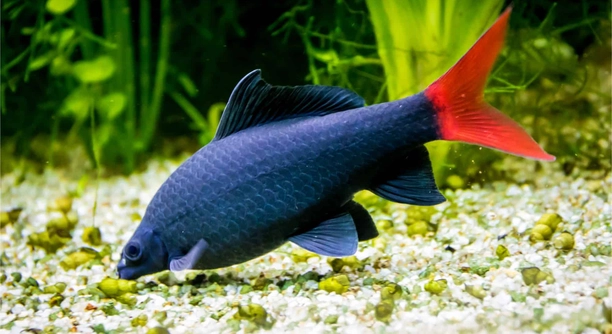
Is your rainbow shark spending more time resting at the bottom of the tank than actively exploring its surroundings? You’re not alone—many fish owners experience this unexpected behavior in their usually active aquatic pets.
Improper swimming in rainbow sharks is most commonly caused by poor water conditions, stress from tank mates, or internal health issues. These factors can interfere with the shark’s natural movement and overall behavior in the aquarium.
Understanding the root causes of this behavior can help you take quick action and ensure a better environment for your fish.
Poor Water Quality
Dirty water can quickly lead to problems for your rainbow shark. Ammonia, nitrites, and nitrates can build up fast, especially in overcrowded tanks or those with poor filtration. These chemicals harm the fish’s gills and make it harder for them to breathe. When that happens, your rainbow shark may stop swimming properly or act sluggish. Regular water changes, a reliable filter, and water testing are key to avoiding this. Make sure your tank is cycled before adding any fish, and avoid overfeeding, which adds waste. Even if the tank looks clean, hidden toxins could still be affecting your fish.
Use a water test kit at least once a week. It only takes a few minutes but can make a big difference in how your rainbow shark behaves and feels.
If your water quality is poor, your shark may spend more time resting or hovering near the bottom. Fish need clean water to move and breathe comfortably. Without that, their behavior shifts quickly. Check your filter, remove any uneaten food, and avoid using tap water without a conditioner. If the readings for ammonia or nitrite are above zero, act quickly. A partial water change and improved filtration will help your shark regain its strength and move more naturally again.
Stress from Tank Mates
Rainbow sharks can become stressed if they feel threatened or crowded by other fish.
These fish are naturally territorial. If your tank has other bottom dwellers or aggressive fish, the rainbow shark may stop swimming to avoid conflict. Stress makes them weak, less active, and more prone to illness. A tank that’s too small or poorly decorated doesn’t offer enough hiding spaces. When rainbow sharks don’t feel secure, they tend to stay still or hide. Make sure your tank is at least 55 gallons, with plenty of plants, caves, or driftwood. Limit aggressive tank mates and avoid pairing them with similar-looking species, especially other sharks.
If you suspect stress, observe how other fish interact with your rainbow shark. Are they chasing it? Blocking it from food? Constant conflict leads to exhaustion. You may need to rearrange the tank or move the aggressive fish. Creating a peaceful tank setup will help your rainbow shark feel safe, leading to better swimming behavior and a healthier life overall.
Illness or Internal Parasites
If your rainbow shark is swimming oddly or not at all, illness could be the cause. Internal parasites, bacterial infections, or swim bladder problems often affect their movement. Watch for signs like weight loss, bloating, or unusual body posture.
Internal parasites can enter the tank through contaminated food or new fish. They affect digestion and energy, making the shark sluggish. Bacterial infections may also target the swim bladder, which controls balance. A sick shark may tilt to one side, struggle to stay upright, or float oddly. Quarantining new fish, feeding high-quality food, and keeping the tank clean help reduce the risk. If you suspect illness, isolate the fish and treat it with appropriate medication. Look for signs early. Delaying treatment only makes recovery harder. A rainbow shark showing these symptoms needs care right away to recover fully and swim normally again.
Sometimes swim bladder issues are temporary and caused by constipation. Feeding peas (with the skin removed) can help clear this up. Other times, it’s a sign of something more serious. If the problem doesn’t improve after a couple of days, it’s best to consult an aquatic vet or try a broad-spectrum antibiotic. Taking action early is important. The longer your fish struggles, the harder it becomes to treat.
Improper Tank Size
Rainbow sharks need room to move. If the tank is too small, they become stressed and inactive. A cramped space limits swimming and increases aggression. Tanks under 55 gallons often lead to these problems.
A small tank also causes faster waste buildup, poor water circulation, and less oxygen. These conditions are hard on your fish. A rainbow shark grows up to 6 inches long and needs space to swim horizontally. Without enough room, it may stay still in one corner or hide for long periods. When there’s no room to explore, it loses energy and confidence. A longer tank with hiding spots and open swimming areas helps your fish feel safe and active. Don’t overcrowd the tank—too many fish in a small space only makes things worse. If your rainbow shark isn’t moving much, it may simply need more room. Upgrading the tank can make a noticeable difference.
Sudden Changes in Water Temperature
Temperature swings can affect how your rainbow shark behaves. A quick drop or rise in water temperature causes stress, making the fish less active or causing it to stay near the bottom. Stable temperatures help maintain normal swimming behavior.
Use a reliable heater and thermometer to keep the water steady. Rainbow sharks prefer water between 75°F and 80°F. Avoid placing the tank near windows or vents that can affect temperature.
Lack of Oxygen in the Water
Low oxygen levels can make your rainbow shark swim less or gasp near the surface. This usually happens in tanks with poor circulation or overcrowding. Warmer water also holds less oxygen. Adding an air stone, adjusting your filter’s flow, and reducing waste buildup can improve oxygen levels. Make sure there’s surface movement to help with gas exchange. A tired or slow-moving rainbow shark may just need more oxygen to feel comfortable and active again.
Injuries from Decor or Tank Mates
Sharp decor or aggressive fish can cause injury. These injuries may lead to pain or discomfort, making your shark stay still. Check the tank for rough surfaces or signs of torn fins.
FAQ
Why is my rainbow shark hiding all the time?
Rainbow sharks often hide when they feel unsafe or stressed. This can happen if the tank is too small, there’s too much activity around them, or they’re being bullied by other fish. They also tend to claim territories, so they may hide in caves or behind decor to feel secure. Make sure your tank has enough space, hiding spots, and calm tank mates. If the hiding becomes constant and the fish avoids swimming, something might be wrong with the tank environment or the fish’s health.
Can rainbow sharks live with other fish?
Yes, but they do best with carefully chosen tank mates. Rainbow sharks are semi-aggressive and highly territorial, especially with similar-looking fish or other bottom dwellers. Peaceful mid-to-top dwelling fish, like barbs or danios, are usually fine. Avoid other sharks, catfish, or fish that compete for the same space. If your rainbow shark constantly chases or gets chased, this can lead to stress and poor swimming behavior. Always monitor interactions when adding new fish to avoid long-term issues.
What should I do if my rainbow shark is not eating?
Start by checking the water parameters. Poor water quality is a common reason for appetite loss. Also, observe the fish’s behavior. If it’s staying at the bottom or swimming oddly, illness or stress could be the cause. Offer a variety of high-quality foods, including sinking pellets, blanched veggies, and occasional protein treats like bloodworms. If the shark continues to ignore food for more than a few days, consider quarantining and treating for internal parasites or infections.
How often should I clean my rainbow shark’s tank?
Partial water changes (20–30%) should be done weekly, especially in tanks with a heavy bioload. Clean algae from the glass, vacuum the substrate, and rinse filter media in tank water—not tap water—to preserve beneficial bacteria. Consistent maintenance helps keep the tank healthy and prevents issues that affect swimming behavior, such as poor oxygen levels or high toxin buildup.
What is the ideal tank setup for a rainbow shark?
A rainbow shark needs a minimum of 55 gallons. The tank should be long, not tall, to provide more swimming room. Add caves, plants, and driftwood to give the shark hiding spots and break up territory. Use a soft substrate to prevent injury. A good filter with gentle flow is important to maintain water quality. Avoid sharp decorations and brightly colored lights that may cause stress.
How can I tell if my rainbow shark is sick?
Look for changes in behavior, like staying still, loss of appetite, or odd swimming patterns. Physical signs include bloating, white spots, red streaks, or torn fins. If you see any of these, test the water first. Poor water conditions often lead to illness. Isolate the fish if needed and treat with appropriate medication. Early signs are easier to manage, so don’t wait too long if something feels off.
Why is my rainbow shark aggressive?
Aggression is part of their nature, especially in smaller tanks or when there are few hiding spots. They are territorial and may chase or nip at other fish that enter their space. Providing more room, decor to break lines of sight, and keeping only one shark per tank helps reduce this behavior.
Can temperature changes really affect my shark’s swimming?
Yes. Even small fluctuations can stress the fish and impact how it swims. Too cold or too warm water makes the shark less active. Always use a reliable heater and thermometer, and aim to keep the temperature steady between 75°F and 80°F. Avoid placing the tank in drafty or sunny areas.
Should I be worried if my rainbow shark rests at the bottom sometimes?
Not always. Rainbow sharks often rest or stay still for short periods, especially during the day. However, if this behavior is constant, it could be a sign of stress, poor water conditions, or illness. Watch for other symptoms like gasping, hiding, or loss of color to determine if something’s wrong.
Is it okay to keep more than one rainbow shark?
It’s not recommended unless you have a very large tank (over 125 gallons) with lots of hiding spots. These fish are territorial and will often fight with each other, especially if they don’t have enough space. Keeping just one is usually best for their health and comfort.
Final Thoughts
Taking care of a rainbow shark means paying attention to both its environment and behavior. When your shark stops swimming properly, it’s usually trying to tell you something is wrong. It could be water quality, stress, illness, or even a problem with the tank setup. These fish are active by nature, so changes in how they swim or where they spend time in the tank should not be ignored. Watching closely can help you catch issues early before they get worse. Even small details—like a change in appetite or swimming angle—can point to something important.
A clean, stable tank with enough space makes a big difference. These fish don’t do well in tanks that are too small or overcrowded. They also need good filtration and consistent water temperature to stay healthy. You should test your water regularly and perform routine water changes. Adding the right plants, caves, or hiding spots also helps them feel safe. Try to avoid sharp decorations and aggressive tank mates that may cause injuries or stress. Sometimes, simply rearranging the tank or upgrading the size can solve the problem. Giving your fish room to swim and feel secure often brings out better behavior.
Your rainbow shark depends on you to create a healthy and comfortable space. When it’s not swimming properly, it’s not just being lazy—it’s reacting to something it can’t control. Taking the time to check your setup, look at how the fish interacts with others, and make small changes can really help. These fish can live several years if they’re given the right care. If you stay consistent with tank maintenance and watch your fish closely, you’ll notice when something seems off. Fixing these problems early means less stress for both you and your fish.

Hello,
If you enjoy the content that we create, please consider saying a "Thank You!" by leaving a tip.
Every little bit helps us continue crafting quality advice that supports the health, happiness, and well-being of pets around the world, for pets of all shapes, sizes, and species.
We really appreciate the kindness and support that you show us!