
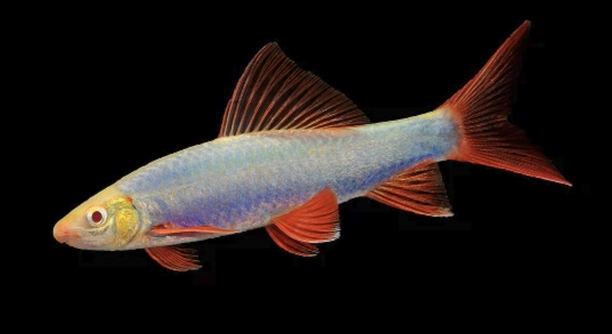
Rainbow sharks are popular aquarium fish known for their vibrant colors and active behavior. Sometimes, these fish may stop eating properly, causing concern for their owners. Understanding the reasons behind this change can help maintain their health.
Several factors can cause a rainbow shark to eat poorly, including water quality issues, stress, illness, improper diet, tank size, incompatible tank mates, and changes in environment. Identifying and addressing these factors is essential for restoring healthy feeding habits.
Knowing the common causes of feeding problems can guide you to take effective steps. This article will explain these reasons clearly and help improve your rainbow shark’s wellbeing.
Poor Water Quality
Water quality is a critical factor that directly affects your rainbow shark’s appetite. When ammonia, nitrites, or nitrates build up in the tank, it can cause stress and health problems for the fish. These harmful chemicals often result from infrequent water changes or overcrowded tanks. Additionally, improper pH levels or temperature fluctuations may make your fish uncomfortable, leading to reduced feeding. Monitoring water parameters regularly helps prevent these issues. Using a reliable test kit, you can check ammonia, nitrite, nitrate, pH, and temperature to ensure the environment remains stable. Proper filtration and regular partial water changes, ideally 20-30% weekly, support a healthier habitat. Clear water also allows your rainbow shark to move freely and behave naturally, which encourages normal eating habits.
Maintaining consistent water quality not only improves your rainbow shark’s appetite but also promotes overall health. Clean water supports their immune system and reduces the risk of disease.
Regularly checking your tank’s water will keep your rainbow shark comfortable and more willing to eat.
Stress and Tank Environment
Stress often causes rainbow sharks to stop eating. Stress can result from sudden changes in the tank, overcrowding, or aggressive tank mates. These factors can make your fish feel unsafe or overwhelmed. Noise or frequent disturbances near the tank may also cause stress. When stressed, fish often hide or remain inactive, leading to loss of appetite. It is important to provide enough hiding spaces and maintain a peaceful environment.
Providing proper space and minimizing sudden changes can reduce stress for your rainbow shark. Aggressive tank mates may need to be separated or removed to keep your fish calm.
Rainbow sharks prefer calm waters with plenty of hiding spots such as plants or decorations. These areas help them feel secure and less vulnerable. Avoid overcrowding by limiting the number of fish in the tank according to its size, typically one rainbow shark per 30 gallons is recommended. Regular feeding schedules also help reduce stress by establishing routine. Ensuring a stable, quiet environment will encourage your rainbow shark to eat and behave naturally.
Illness or Parasites
Illness or parasites often cause a decrease in appetite in rainbow sharks. Symptoms like lethargy, faded colors, or abnormal swimming may indicate health problems that need attention.
Common diseases affecting rainbow sharks include ich, fin rot, and bacterial infections. These conditions can result from poor water quality or stress. Parasites may attach to the fish, causing irritation and discomfort that leads to reduced feeding. If you notice signs of illness, isolating the affected fish and treating with appropriate medication is necessary. Consult a vet or experienced aquarist for guidance on diagnosis and treatment. Early intervention increases the chances of recovery and returning to normal eating habits.
Preventing illness involves maintaining good water quality, avoiding overcrowding, and providing a balanced diet. Regular observation helps detect health issues before they worsen. Healthy rainbow sharks are more likely to eat consistently and thrive in their environment.
Incompatible Tank Mates
Incompatible tank mates can stress rainbow sharks and interfere with their feeding. Aggressive or territorial fish may bully them, causing fear and hiding behavior.
Rainbow sharks do best with peaceful or semi-aggressive species that do not compete aggressively for food or space. Fish like tetras, gouramis, or danios often coexist well. Avoid housing them with large, aggressive fish or other bottom dwellers that might fight for territory. When tank mates constantly chase or nip your rainbow shark, it will likely eat less and show signs of stress. Observing interactions and removing problematic fish can improve feeding behavior. Adjusting tank mates ensures your rainbow shark has a calm environment and access to food without competition. This approach helps maintain a balanced community tank.
Improper Diet
Rainbow sharks require a balanced diet with a mix of proteins and plant matter. Feeding only one type of food can cause nutritional deficiencies and reduce appetite.
Providing high-quality pellets, frozen foods, and occasional vegetables keeps their diet varied and healthy.
Tank Size and Space
A tank that is too small limits swimming space, causing stress and reducing appetite in rainbow sharks. They need at least 30 gallons to thrive.
Crowded tanks increase competition and stress, leading to poor feeding habits. Ensuring ample space supports their natural behavior and encourages regular eating.
Changes in Environment
Sudden changes like moving the tank, new decorations, or different lighting can unsettle rainbow sharks. This disruption often causes temporary loss of appetite.
Allowing the fish to gradually adjust helps them feel secure again and return to normal feeding patterns.
Why is my rainbow shark not eating even though the water looks clean?
Even if the water appears clear, there can still be harmful chemicals like ammonia or nitrites that are invisible to the eye. These substances can build up and stress the fish, causing a loss of appetite. Testing the water regularly is important to catch these problems early. Proper filtration and regular water changes are necessary to keep water conditions safe. Sometimes, water parameters such as pH or temperature might be off, which also affects feeding even if the water looks clean. Addressing these factors helps improve your rainbow shark’s willingness to eat.
How can I tell if my rainbow shark is stressed?
Signs of stress include hiding often, staying inactive, or unusual swimming patterns like darting or rubbing against objects. Color fading or loss of appetite are common stress indicators. Stress usually results from poor water conditions, aggressive tank mates, or sudden changes in the tank. Observing your fish daily helps you notice these changes quickly. Reducing noise around the tank, providing hiding places, and keeping tank mates compatible reduces stress and encourages normal eating behavior.
What should I feed my rainbow shark to encourage eating?
Rainbow sharks thrive on a varied diet including high-quality sinking pellets designed for omnivores. Supplement their meals with frozen or live foods like bloodworms or brine shrimp. Occasionally offering blanched vegetables such as zucchini or spinach provides needed nutrients. Avoid feeding only flakes or one type of food to prevent nutritional deficiencies. Feeding small amounts multiple times a day rather than one large feeding can also encourage them to eat regularly.
Can diseases cause my rainbow shark to stop eating?
Yes, illnesses such as ich, fin rot, or bacterial infections can reduce appetite. Parasites cause discomfort and stress, leading to feeding problems. Watch for symptoms like clamped fins, white spots, lethargy, or difficulty swimming. If you suspect disease, isolate the fish and begin treatment promptly. Maintaining good water quality and reducing stress lowers the risk of illness. Regular tank maintenance and observation help catch health issues early.
How do tank mates affect my rainbow shark’s eating habits?
Aggressive or territorial fish can intimidate rainbow sharks, making them hide and eat less. Some fish compete aggressively for food, leaving the rainbow shark stressed or without access to food. Choosing peaceful or semi-aggressive tank mates helps prevent bullying. Providing enough hiding spaces and feeding in multiple locations can reduce competition. If problems persist, separating aggressive fish might be necessary to protect your rainbow shark’s wellbeing.
Does tank size impact my rainbow shark’s appetite?
Yes, small or overcrowded tanks cause stress and reduce appetite. Rainbow sharks need at least 30 gallons to swim freely and establish territory. Overcrowding increases competition for food and oxygen, which discourages eating. Providing adequate space and maintaining proper stocking levels supports their natural behavior and feeding habits.
What role does lighting and environment play in feeding?
Bright or inconsistent lighting can stress rainbow sharks, affecting their appetite. They prefer dim to moderate lighting with places to hide in shadows. Sudden changes to the environment such as rearranging decorations or moving the tank can cause temporary feeding refusal. Keeping a stable environment with gradual changes helps the fish feel secure and resume normal eating.
How can I encourage a picky eater rainbow shark?
Try offering different foods such as live or frozen options to spark interest. Feeding smaller amounts more frequently may help. Providing hiding places and reducing tank disturbances creates a less stressful setting. Sometimes gently hand-feeding near the fish encourages them to eat. Patience and consistency are key to improving picky eating behavior.
Is fasting ever helpful for a rainbow shark?
Occasional fasting, such as skipping feeding for a day or two, can help clear the digestive system and encourage appetite. However, fasting should not be prolonged, especially if the fish already shows signs of weakness or illness. Consult proper guidelines to avoid causing harm. In general, regular and balanced feeding is best.
When should I seek professional help for my rainbow shark’s feeding problems?
If your rainbow shark refuses food for more than several days, shows signs of illness, or displays unusual behavior, consulting an aquatic veterinarian or experienced aquarist is recommended. Early diagnosis and treatment can prevent serious health issues. Professional advice is important when home remedies or environmental adjustments do not improve feeding.
Rainbow sharks are beautiful and active fish that bring life to any aquarium. When they stop eating properly, it can be worrying. Understanding the common reasons behind poor appetite is important for their health. Factors like water quality, stress, illness, diet, tank size, and tank mates all influence their willingness to eat. By paying attention to these details, you can help your rainbow shark stay healthy and happy.
Maintaining good water quality is one of the most important steps to support your fish’s appetite. Regular water testing and partial water changes keep harmful chemicals low and create a comfortable environment. Stress from overcrowding, aggressive tank mates, or sudden changes can also cause your rainbow shark to stop eating. Providing enough space, peaceful companions, and hiding spots helps reduce stress. Keeping a stable environment with consistent lighting and temperature supports their natural behavior and feeding habits.
If your rainbow shark shows signs of illness or parasites, early treatment is necessary. Many health problems reduce appetite and can worsen if left untreated. Offering a balanced diet with variety helps meet their nutritional needs and encourages regular eating. Small, frequent feedings are often better than one large meal. Observing your fish daily allows you to notice changes quickly and take action. By addressing these common issues, you can improve your rainbow shark’s feeding habits and overall wellbeing.

Hello,
If you enjoy the content that we create, please consider saying a "Thank You!" by leaving a tip.
Every little bit helps us continue crafting quality advice that supports the health, happiness, and well-being of pets around the world, for pets of all shapes, sizes, and species.
We really appreciate the kindness and support that you show us!