
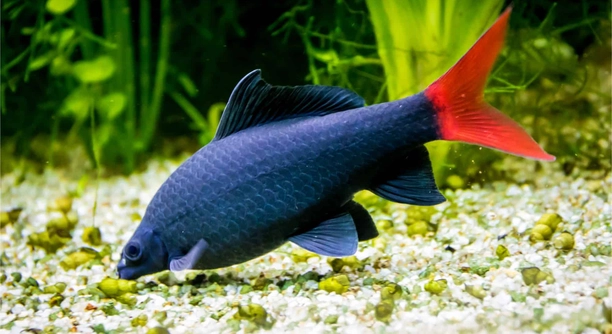
Is your rainbow shark spending more time hiding than swimming around its tank like it used to? You’re not alone. Many fishkeepers notice sudden behavior changes that can be confusing or concerning, especially with semi-aggressive fish like rainbow sharks.
The most common reason your rainbow shark is hiding more than usual is environmental stress. Changes in water conditions, tank mates, lighting, or decor can disrupt their sense of safety, leading to increased hiding and territorial withdrawal.
Several other factors might be influencing this behavior. From tank size and aggression levels to health concerns, understanding the causes can help restore balance and improve your shark’s overall well-being.
Your Tank Might Be Too Small
A tank that’s too small is one of the most common causes of hiding in rainbow sharks. These fish need space to swim and establish territory. When kept in cramped tanks, they often become stressed and defensive. A rainbow shark requires a minimum of 30 gallons, though larger tanks are always better, especially when housing them with other fish. Limited space can lead to frequent hiding, especially behind decor or inside caves. If your shark used to be active and now hides all day, it may be time to upgrade. Proper space helps reduce territorial conflict and allows for normal behavior.
Small tanks don’t just limit movement—they also increase aggression. Rainbow sharks often hide to avoid unnecessary tension.
When upgrading, make sure the new tank is properly cycled and has adequate hiding places. This helps your fish feel secure without forcing it into constant retreat. Balanced water conditions and space both matter.
Stress From Aggressive Tank Mates
Aggressive tank mates can make your rainbow shark feel unsafe and lead to long periods of hiding.
Tank mate compatibility is important with rainbow sharks. These fish are semi-aggressive and territorial, which means they need space and low-conflict neighbors. If other fish in the tank constantly chase or nip at your shark, it will start hiding to avoid confrontation. This can happen even in large tanks if the tank mates are particularly active or territorial themselves. Avoid housing rainbow sharks with similar-looking fish or other bottom dwellers. Look for peaceful mid-to-top swimmers that don’t compete for space or food. Monitor tank interactions closely. If one fish is causing constant stress, consider separating them. Adding plants or driftwood can also help by creating more barriers and hiding spots, giving your rainbow shark a sense of control. Reduced aggression means more swimming and less hiding, improving both the behavior and health of your fish.
Sudden Changes in Tank Setup
Rearranging the tank or adding new items can unsettle a rainbow shark. These fish form strong associations with their space, and sudden layout changes may trigger hiding behavior as they try to adjust to the unfamiliar surroundings.
Rainbow sharks are territorial and rely on familiar landmarks to feel secure. If decorations, plants, or hiding spots are suddenly moved, it can disrupt their sense of control. Even removing one cave or shifting substrate can have a big effect. It’s best to introduce changes gradually and observe how your shark reacts. If you must rearrange the tank, try to keep key features like favorite hiding spots or territories intact. Watch your shark after each change. A sudden increase in hiding often means it’s overwhelmed or confused by the new setup. Give it time to adapt, and avoid making multiple changes at once unless necessary. Stability helps rebuild confidence.
Creating multiple hiding areas throughout the tank can also ease the adjustment. Spread out rocks, driftwood, or plants to provide various zones. This helps your shark feel less exposed and more in control. When a fish can explore without being forced into a single corner, its activity level usually improves. Maintain good lighting and stable water parameters to help things settle faster.
Poor Water Quality
Poor water quality can cause serious stress for rainbow sharks. Even small spikes in ammonia or nitrates can lead to discomfort, which shows up as hiding. Consistent water testing and maintenance are necessary to avoid this.
Water quality directly affects your fish’s health and behavior. Rainbow sharks are sensitive to ammonia, nitrite, and high nitrate levels. When these build up due to overfeeding, poor filtration, or irregular cleaning, your fish may retreat to hiding spots to cope. Symptoms often include sluggish swimming, loss of appetite, and increased hiding. A proper filter, weekly water changes (about 25–30%), and gravel vacuuming help maintain clean water. Use a reliable test kit once a week to check parameters, especially after changes to stocking or feeding. If you notice a problem, act quickly with a partial water change. Adding live plants can also support healthier water conditions by absorbing excess nutrients and helping with oxygen balance.
Inadequate Hiding Spots
If your tank lacks enough caves or decorations, your rainbow shark may feel exposed. These fish need secure areas where they can retreat when stressed. Without proper cover, they’ll often hide behind equipment or stay motionless in corners.
Adding driftwood, rock tunnels, or plants gives them more choices. Spread these items throughout the tank to avoid overcrowding one section. This setup helps reduce anxiety and territorial tension, especially in shared tanks.
Illness or Injury
Illness and physical injuries can cause a sudden change in behavior, including hiding. Look for signs like frayed fins, white spots, rapid breathing, or loss of appetite. These may indicate infections or internal problems. Even minor wounds from tank mate aggression or sharp decor can make your shark feel vulnerable. Quarantine may be necessary.
Bright or Unstable Lighting
Lighting that’s too intense or constantly changing can cause discomfort. Rainbow sharks prefer dim, steady lighting. Strong lights can make them feel exposed, while flickering or sudden changes in brightness may trigger hiding.
FAQ
Why is my rainbow shark hiding all of a sudden?
Sudden hiding usually means something in your tank environment has changed. It could be a new tank mate, a rearranged layout, or a water quality issue. Rainbow sharks are sensitive to stress, and their first response is often to hide. Check for changes in temperature, ammonia levels, or any new additions. If everything checks out, give your shark time to adjust. Gradual changes are best for these fish, and sudden disruptions can take them days or even weeks to recover from.
How many hiding spots should I provide in the tank?
At least three hiding spots are a good start for a single rainbow shark, but more is often better. Use a mix of caves, driftwood, rocks, and plants to create variety. Spread them out so the fish doesn’t feel cornered in one area. A well-decorated tank helps reduce stress and allows your shark to choose when and where to hide. This can lead to more active behavior over time, especially when the shark feels secure.
Can rainbow sharks live peacefully with other bottom dwellers?
It depends on the tank size and species. Rainbow sharks are territorial and may become aggressive toward other bottom dwellers, especially if space is limited. Avoid keeping them with fish that look similar, like red tail sharks or algae eaters. Peaceful mid-level swimmers like barbs or danios are usually better tank mates. If you do want to try bottom dwellers, make sure the tank is large enough—over 55 gallons—and has clearly separated hiding zones for each fish.
Does the time of day affect my rainbow shark’s behavior?
Yes, rainbow sharks are more active during the day but can become shy if the lighting is too bright or the tank is placed in a high-traffic area. Too much movement around the tank can cause stress. Try using moderate lighting and keep the tank in a calm area of your home. Some hiding is normal in the evening or early morning, especially if the fish is adjusting to its light schedule.
Can a rainbow shark hide for days without coming out?
Yes, it’s possible for a rainbow shark to stay hidden for several days, especially after a tank change or a stressful event. If the fish is still eating and swimming occasionally when it feels safe, it’s likely just stressed. Monitor its health and behavior from a distance. Avoid moving decorations or trying to force it out. Too much interference can make the situation worse. If hiding continues beyond a week, recheck water quality and tank conditions.
What are signs that hiding is due to illness, not stress?
When hiding is paired with other symptoms like labored breathing, faded color, white spots, clamped fins, or lack of appetite, illness is more likely. Stress hiding usually happens alone, while illness hiding includes physical signs. In these cases, test the water immediately and isolate the fish if needed. Watch for aggression or injuries from other tank mates as well. A quiet, separate tank with clean water may help your fish recover faster.
Is it normal for new rainbow sharks to hide at first?
Yes, new rainbow sharks almost always hide during the first few days in a new tank. This is completely normal behavior. They’re adjusting to a new space, new smells, and possibly unfamiliar tank mates. Keep the lights low and avoid handling or feeding too aggressively. It usually takes about 3–5 days for them to explore more openly, especially if the tank is well-decorated and calm.
Should I be concerned if my rainbow shark stops eating while hiding?
If the fish skips one or two meals, that’s not unusual, especially when stressed. But if it hasn’t eaten in several days, it may be ill. Try offering its favorite foods, like sinking pellets or algae wafers. Watch how it reacts when food is nearby. If there’s no interest at all, check water parameters and consider a short quarantine. Appetite loss combined with constant hiding could be a sign of internal parasites, bacterial infections, or environmental discomfort.
Final Thoughts
Hiding is a natural behavior for rainbow sharks, but when it happens more than usual, it’s often a sign that something in the tank needs attention. These fish rely on structure and routine to feel safe, so even small changes can lead to stress. A rainbow shark that suddenly starts hiding might be reacting to a new tank mate, a change in lighting, or shifts in water quality. Understanding the possible reasons behind this behavior is important for keeping your fish healthy and comfortable. Always observe the full picture—check the tank conditions, look at interactions with other fish, and notice any changes in how your shark is eating or moving.
Creating a good environment for your rainbow shark means more than just a clean tank. It needs space to swim freely, places to hide when needed, and peaceful tank mates that won’t add pressure. A well-planned tank setup can prevent most of the stress-related behaviors you might notice. Regular water testing, proper feeding, and avoiding sudden changes will also support a calm and healthy routine for your fish. While it can be worrying to see your rainbow shark hiding all the time, there is usually a clear reason, and most of the time, it can be fixed with small changes.
Being patient with your fish is just as important as making adjustments. Rainbow sharks often take time to settle in or recover from stress. Watching them grow more confident and active again is a good sign that things are improving. If you pay close attention to their needs and behavior, they can thrive in your care for many years. Keep learning and observing, and don’t ignore changes that seem small. Hiding might be your fish’s way of telling you that something isn’t right. With steady care and a stable tank environment, your rainbow shark will feel safer, swim more freely, and become a more visible and lively part of your aquarium again.

Hello,
If you enjoy the content that we create, please consider saying a "Thank You!" by leaving a tip.
Every little bit helps us continue crafting quality advice that supports the health, happiness, and well-being of pets around the world, for pets of all shapes, sizes, and species.
We really appreciate the kindness and support that you show us!