
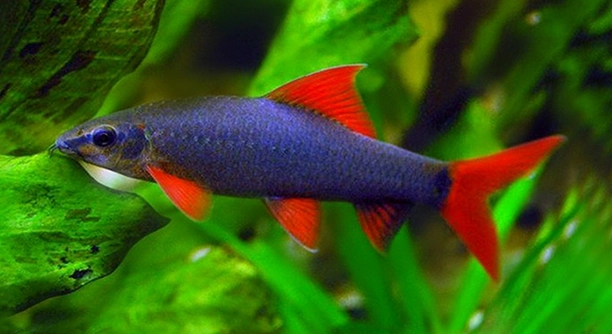
Rainbow Sharks are popular aquarium fish known for their vibrant colors and active swimming. However, they sometimes hide for extended periods, which can worry owners. Understanding why these fish stay hidden helps create a better environment for them.
Rainbow Sharks hide due to stress, poor water quality, lack of hiding spots, illness, aggressive tank mates, improper diet, or sudden changes in their environment. These factors affect their behavior and well-being, causing them to seek shelter more often than usual.
Recognizing these reasons will help you improve your Rainbow Shark’s habitat and encourage it to feel more comfortable and visible in your tank.
Stress and Its Impact on Rainbow Sharks
Stress is a major reason why Rainbow Sharks hide. Changes in their tank, such as new decorations or moving the aquarium, can upset them. Loud noises or sudden movements around the tank also cause stress. When stressed, these fish seek shelter to feel safe. Stress weakens their immune system, making them vulnerable to diseases. It is important to keep the environment calm and stable. Avoid tapping on the glass or overcrowding the tank. Providing enough space helps reduce stress and keeps the fish healthy. Consistency in lighting and feeding schedules also supports their well-being. Watching for signs of stress early on allows you to make quick changes to improve their comfort. Creating a peaceful habitat encourages your Rainbow Shark to be more active and less hidden.
Stress can reduce Rainbow Sharks’ activity levels and increase their hiding time significantly.
Keeping the tank environment consistent and calm will help your Rainbow Shark feel secure. Reducing noise and sudden changes are simple ways to lower stress. Adding plants or decorations provides safe spots but should not crowd the tank. Avoid overcrowding by limiting the number of fish. Maintain water quality and stable temperature to support overall health. These steps create a welcoming environment where your Rainbow Shark can swim freely without fear. Regular observation helps you catch stress signs early, allowing you to act before it affects the fish’s health. By focusing on a stable and peaceful tank, you support your Rainbow Shark’s natural behavior and reduce hiding.
Poor Water Quality
Poor water quality affects Rainbow Sharks quickly. Dirty water or incorrect pH levels cause discomfort, forcing them to hide. Regular testing and water changes are essential to keep conditions ideal.
Water quality problems can stress your Rainbow Shark and lead to hiding. Waste buildup increases toxins, affecting their health. Low oxygen levels in the tank can also cause hiding behavior. Rainbow Sharks prefer clean, well-oxygenated water with stable temperature. A weekly water change of about 25% helps maintain water clarity and removes harmful substances. Using a reliable water test kit to monitor ammonia, nitrite, nitrate, and pH levels is important. If levels are off, take action to correct them immediately. Good filtration supports water cleanliness and fish health. Avoid overfeeding, as leftover food contributes to waste and pollution. Keeping the water clean encourages your Rainbow Shark to explore and be more visible, improving its quality of life in the aquarium.
Lack of Hiding Spots
Rainbow Sharks need places to hide to feel safe. Without enough hiding spots, they may stay hidden because they feel exposed.
Providing caves, plants, or decorations helps Rainbow Sharks feel secure. These fish naturally seek shelter to rest and avoid threats. If the tank is bare or overcrowded without proper shelters, they can become stressed and hide more. Positioning hiding spots in quiet areas of the tank encourages them to explore other parts without fear. A mix of open swimming space and secure shelters creates a balanced environment that reduces hiding behavior. Observing where your fish hides most often can guide where to place additional cover.
Creating a tank with varied hiding options mimics their natural habitat. This variety not only reduces stress but also promotes natural behavior. Adding smooth rocks, PVC pipes, or driftwood are simple ways to enrich the tank. Live plants provide both shelter and improve water quality. Over time, your Rainbow Shark will feel more comfortable venturing out when it knows safe retreats are nearby.
Illness or Injury
When Rainbow Sharks are sick or injured, they often hide to recover. Hiding protects them from potential threats during vulnerable times.
Illness can cause lethargy, loss of appetite, and unusual hiding. Common health issues include infections, parasites, or fin damage. If your fish is hiding more than usual, check water quality and look for physical signs like spots, frayed fins, or abnormal swimming. Prompt treatment is necessary to prevent worsening health. Quarantining the affected fish and consulting a vet or fish care expert helps manage disease. Keeping the tank clean and avoiding sudden changes reduces illness risk.
Injuries from aggressive tank mates or sharp decorations also make Rainbow Sharks seek shelter. Ensuring compatible fish species and safe decorations prevents harm. Monitoring tank dynamics and removing aggressive fish can protect your Rainbow Shark. Proper care and attention help your fish heal faster and return to normal behavior, reducing hiding.
Aggressive Tank Mates
Aggressive fish can scare Rainbow Sharks, causing them to hide. Peaceful tank mates help reduce stress and hiding behavior.
Choosing compatible fish species is essential. Avoid aggressive or territorial fish that chase or nip your Rainbow Shark. A calm community tank encourages all fish to behave naturally.
Improper Diet
An unbalanced diet weakens Rainbow Sharks and affects their behavior. They may hide more if they feel weak or unwell. Feeding a varied diet with high-quality pellets, live or frozen foods supports their health. Avoid overfeeding, which pollutes water and harms fish health. Proper nutrition keeps them active and visible.
Sudden Environmental Changes
Rainbow Sharks dislike sudden changes in their environment. Shifts in temperature, lighting, or tank setup can cause hiding. Keeping conditions stable and gradual helps fish adjust without stress.
Why is my Rainbow Shark always hiding?
Rainbow Sharks hide mainly because they feel stressed, unsafe, or unwell. Stress from poor water quality, aggressive tank mates, or sudden changes makes them seek shelter. Illness or injury also causes hiding as they try to protect themselves. Providing hiding spots and stable tank conditions helps reduce hiding behavior.
How can I reduce stress for my Rainbow Shark?
To reduce stress, maintain clean water with proper temperature and pH levels. Avoid sudden changes in the tank, such as rearranging decorations or changing lighting quickly. Choose peaceful tank mates and give your fish enough space. Keep feeding and cleaning routines consistent. Calm surroundings encourage your Rainbow Shark to swim openly.
What tank mates are best for Rainbow Sharks?
Peaceful, non-aggressive fish are best companions. Avoid territorial or fin-nipping species. Suitable tank mates include tetras, barbs, and some gouramis. Make sure the tank is large enough to reduce competition and stress. Proper selection helps Rainbow Sharks feel secure and reduces hiding.
How often should I clean the tank?
Regular cleaning is important. A weekly partial water change of 20-30% helps maintain good water quality. Remove uneaten food and waste daily to prevent toxin buildup. Clean filters monthly but avoid washing all filter media at once to preserve beneficial bacteria.
What should I feed my Rainbow Shark?
Feed a balanced diet with high-quality pellets or flakes formulated for omnivores. Supplement with live or frozen foods like bloodworms or brine shrimp. Feed small amounts twice daily and avoid overfeeding to prevent water pollution. Proper nutrition supports health and activity.
How do I know if my Rainbow Shark is sick?
Signs of illness include hiding more than usual, loss of appetite, clamped fins, unusual spots or discoloration, and erratic swimming. If you notice these symptoms, test water quality and isolate the fish if possible. Early treatment improves chances of recovery.
Can poor water quality cause hiding?
Yes, poor water quality causes stress and discomfort, making Rainbow Sharks hide. High ammonia, nitrite, or nitrate levels, improper pH, or low oxygen reduce their health. Regular testing and maintenance keep water clean and safe.
Is it normal for Rainbow Sharks to hide at night?
Yes, Rainbow Sharks are more active during the day and often hide at night to rest. Providing safe hiding spots mimics their natural behavior. However, constant hiding during daylight may indicate a problem.
How many Rainbow Sharks should be kept together?
Rainbow Sharks can be territorial, especially in small tanks. It is best to keep only one per tank or ensure a very large tank if multiple are kept. Overcrowding increases aggression and hiding behavior.
What decorations help Rainbow Sharks feel safe?
Caves, rocks, driftwood, and live plants provide excellent hiding spots. Arrange decorations to create secluded areas while leaving open swimming space. A balanced setup reduces stress and encourages natural behavior.
Rainbow Sharks are beautiful and active fish that can add color and life to any aquarium. However, when they start hiding too much, it often signals something is wrong with their environment or health. Understanding the reasons behind this behavior is important for every fish owner. Factors like stress, water quality, diet, and tank mates all play a role in how comfortable your Rainbow Shark feels. When these needs are not met, hiding becomes a way for the fish to protect itself and avoid further harm. By paying attention to these signs early, you can create a better habitat and help your fish live a happier, healthier life.
Taking care of a Rainbow Shark requires consistency and attention to detail. Maintaining clean water with stable temperature and proper filtration is one of the most important steps. Providing hiding places, such as plants and decorations, helps the fish feel safe. It is also important to choose peaceful tank mates to reduce stress and avoid injury. Feeding a balanced diet supports their health and energy levels, encouraging more natural behavior. Avoiding sudden changes in the tank’s setup or lighting can also reduce fear and confusion. These small efforts add up and create an environment where your Rainbow Shark will be less likely to hide and more likely to swim actively.
Finally, observing your fish regularly is key to noticing any changes in behavior or health early on. If your Rainbow Shark suddenly hides more than usual, it could mean illness or stress that needs attention. Taking quick action by testing water quality, adjusting tank conditions, or consulting an expert can prevent problems from worsening. Remember that Rainbow Sharks are sensitive to their surroundings and thrive best when their needs are met carefully. Keeping a calm, stable environment with good care routines ensures your fish can enjoy a safe space where it can be visible and active, rather than hidden away.

Hello,
If you enjoy the content that we create, please consider saying a "Thank You!" by leaving a tip.
Every little bit helps us continue crafting quality advice that supports the health, happiness, and well-being of pets around the world, for pets of all shapes, sizes, and species.
We really appreciate the kindness and support that you show us!