
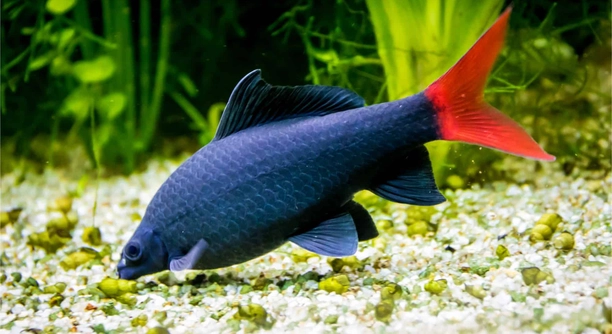
Rainbow sharks are popular freshwater fish known for their vibrant colors and active behavior. Many owners enjoy watching them swim but sometimes notice these fish eating more than expected. Understanding why they overeat can help maintain their health and tank balance.
Excessive eating in rainbow sharks often results from factors such as poor water quality, insufficient tank space, improper diet, stress, and lack of environmental enrichment. These conditions can trigger increased feeding behavior and negatively impact their well-being. Addressing these issues is crucial for their proper care.
Knowing the reasons behind your rainbow shark’s eating habits will help you provide a healthier environment and improve its overall quality of life.
Poor Water Quality
Maintaining clean water is essential for your rainbow shark’s health. Poor water conditions can stress the fish and cause it to eat more than usual. When ammonia, nitrite, or nitrate levels rise, the fish may feel uncomfortable and try to compensate by eating excessively. Regular water testing and partial water changes are key to preventing this issue. It’s important to keep the tank filtered and free of debris. If you notice cloudy water or unpleasant smells, these are signs that the water quality may be deteriorating. Stress from poor water quality can also weaken your fish’s immune system, making it more vulnerable to illness. Keeping the environment stable and clean helps your rainbow shark stay healthy and calm, reducing the need for overeating.
Poor water quality often triggers stress responses in fish, leading to increased feeding behavior.
Regular testing, water changes, and filtration maintenance are the most effective ways to manage water quality. Avoid overcrowding the tank, as too many fish can quickly degrade water conditions. Using water conditioners helps remove harmful chemicals. Feeding high-quality food in proper amounts also reduces waste that pollutes the water. Monitoring water parameters like pH, temperature, and hardness ensures a stable habitat, preventing sudden changes that could stress your rainbow shark. Consistent care and attention to the tank environment will support balanced eating habits and overall fish well-being.
Insufficient Tank Space
Limited tank space can cause stress and increased appetite in rainbow sharks. These fish are active swimmers and need room to move freely. When confined, they may become restless and eat more as a response to discomfort. A small tank also concentrates waste, leading to poorer water quality, which further encourages excessive feeding. A tank size of at least 30 gallons is recommended for one rainbow shark. Providing hiding spots and open swimming areas helps reduce stress. Regular tank maintenance is also essential to avoid overcrowding.
A cramped environment restricts natural behavior and triggers overfeeding as a coping mechanism.
Ensuring adequate space and proper tank setup allows your rainbow shark to thrive and maintain healthy eating habits.
Improper Diet
Feeding your rainbow shark an unbalanced diet can cause overeating. Low-quality food or incorrect portion sizes often lead to this issue.
Choosing a diet rich in protein and nutrients is vital. Many commercial foods lack necessary ingredients, so supplementing with live or frozen foods can help. Avoid overfeeding by sticking to recommended portions. Feeding too often encourages constant hunger and excessive eating. Monitor how much your fish actually consumes within a few minutes, then remove leftovers to prevent water pollution.
Consistent feeding times and quality food help regulate appetite. Your rainbow shark will feel satisfied and less likely to overeat when its dietary needs are met. Variety in food also supports better health and natural behavior, reducing stress and abnormal feeding habits.
Stress and Aggression
Stress from tank mates or environmental changes can make your rainbow shark eat more. Aggressive interactions increase anxiety, causing overfeeding as a coping mechanism.
Crowded tanks or incompatible species often cause aggression. Rainbow sharks can be territorial, especially in small tanks. Providing hiding spots and rearranging decorations can reduce stress by giving fish places to retreat. Avoid sudden changes in water temperature or chemistry, as these also trigger stress. Consistent tank maintenance and stable conditions create a calm environment.
Monitoring fish behavior helps identify signs of aggression early. Separating aggressive fish or upgrading the tank size can improve harmony. Reducing stress ensures your rainbow shark’s appetite remains normal and supports overall well-being.
Lack of Environmental Enrichment
A bare tank can lead to boredom, causing your rainbow shark to eat more out of restlessness.
Adding plants, rocks, and hiding spots provides stimulation. This helps reduce overeating linked to boredom and stress.
Growth and Development
Young rainbow sharks tend to eat more as they grow. Their higher energy needs require increased food intake during this stage. Proper feeding ensures healthy development and prevents malnutrition. Overfeeding is less common when you provide balanced meals suited to their growth phase.
Health Issues
Certain health problems can cause increased appetite. Parasites or infections might make your rainbow shark eat excessively. Regular health checks and water quality control help spot problems early. Treating illnesses promptly will reduce abnormal feeding behavior and keep your fish healthy.
FAQ
Why is my rainbow shark eating constantly even though I feed it regularly?
Sometimes, rainbow sharks eat continuously because they are stressed or bored. Even if food is provided, they might still search for more due to an empty or unstimulating tank. Overcrowding, poor water quality, or lack of hiding spaces can cause this behavior. Also, an improper diet that lacks essential nutrients may leave them feeling hungry. Ensuring a clean, well-decorated tank and feeding a balanced diet on schedule helps control this constant eating.
How often should I feed my rainbow shark?
Feeding your rainbow shark once or twice a day is usually enough. Each feeding session should last only a few minutes, just enough for the fish to eat what it can in that time. Remove any uneaten food to keep the tank clean. Overfeeding can pollute the water and lead to health problems. Sticking to a consistent feeding schedule helps regulate your fish’s appetite and supports good tank conditions.
Can stress really affect how much my rainbow shark eats?
Yes, stress significantly impacts feeding habits. When rainbow sharks feel threatened by aggressive tank mates or sudden changes in their environment, they may overeat as a way to cope. Stress weakens their immune system and may cause irregular behaviors, including excessive eating. Reducing stress through proper tank mates, hiding spots, and stable water conditions can normalize their appetite.
What are signs that my rainbow shark might be sick?
Signs of illness include lethargy, clamped fins, discoloration, unusual spots, or rapid breathing. Sometimes, increased or decreased appetite can also indicate health issues. If your fish is eating excessively while showing other symptoms, it may have parasites or infections. Regular observation and water tests are essential to catch problems early. Consult a vet or fish expert if you suspect illness.
Is it okay to feed my rainbow shark live or frozen foods?
Yes, live or frozen foods are excellent supplements to dry food. They provide extra protein and nutrients that rainbow sharks need. Examples include bloodworms, brine shrimp, and daphnia. Offering a variety helps keep your fish healthy and less prone to overeating from nutrient deficiencies. Just make sure the foods are clean and safe for aquarium use.
How does tank size influence my rainbow shark’s eating habits?
A small tank can cause stress and limit movement, leading to increased eating as a response. Rainbow sharks need space to swim actively and establish territories. A cramped tank often leads to aggression and boredom, both of which affect feeding behavior. Providing at least 30 gallons per fish supports natural behavior and balanced appetite.
Can poor water quality cause my rainbow shark to eat too much?
Poor water quality stresses fish and can lead to abnormal eating patterns. High ammonia, nitrites, or nitrates irritate fish and cause discomfort, sometimes triggering increased feeding. Maintaining clean water with regular changes, proper filtration, and monitoring water parameters prevents this. Healthy water conditions encourage normal feeding habits.
What is the best way to control my rainbow shark’s overeating?
Control overeating by feeding balanced portions at regular times and removing leftovers quickly. Improve tank conditions by keeping water clean, providing enough space, and adding decorations for enrichment. Monitor your fish’s behavior to identify stress or illness early. A stable environment with proper care keeps appetite steady and prevents health issues.
Can overcrowding cause my rainbow shark to overeat?
Overcrowding causes stress, poor water quality, and competition for food, all leading to increased eating. When many fish share a small space, they may eat more out of anxiety or to avoid missing out. Avoid keeping too many fish in one tank and maintain a peaceful community to reduce this risk.
Does temperature affect how much my rainbow shark eats?
Yes, temperature influences metabolism. Warmer water speeds up metabolism, increasing appetite, while colder water slows it down. Keeping the tank temperature stable within the ideal range for rainbow sharks (around 72-79°F) helps regulate their feeding. Sudden temperature changes cause stress and may disrupt normal eating patterns.
Final Thoughts
Understanding why your rainbow shark is eating too much helps you provide better care and maintain a balanced aquarium. Many factors contribute to excessive feeding, such as poor water quality, stress, lack of space, and improper diet. Each of these can affect your fish’s health and behavior. By paying attention to the environment and daily routine, you can identify what causes overeating and take steps to fix it. Keeping the tank clean, well-maintained, and properly stocked will support your fish’s natural habits.
Feeding your rainbow shark the right amount of quality food at regular times is essential. Overfeeding not only affects the fish but also harms the tank’s ecosystem by polluting the water. It is important to observe your fish’s behavior and adjust feeding portions accordingly. Providing a varied diet with balanced nutrients ensures your fish stays healthy and satisfied. Avoid giving too many treats or leftover food, and remove any uneaten portions quickly. These simple practices help keep your rainbow shark from eating excessively.
Maintaining a calm and stress-free environment is also key. Rainbow sharks are active fish that need enough space to swim and places to hide. A well-decorated tank with plants, rocks, or other decorations helps reduce boredom and aggression. Avoid overcrowding and incompatible tank mates to prevent stress-related overeating. Regular monitoring of water parameters and fish behavior will help you spot problems early. With careful attention and consistent care, your rainbow shark can live a healthy, balanced life without overeating.

Hello,
If you enjoy the content that we create, please consider saying a "Thank You!" by leaving a tip.
Every little bit helps us continue crafting quality advice that supports the health, happiness, and well-being of pets around the world, for pets of all shapes, sizes, and species.
We really appreciate the kindness and support that you show us!