
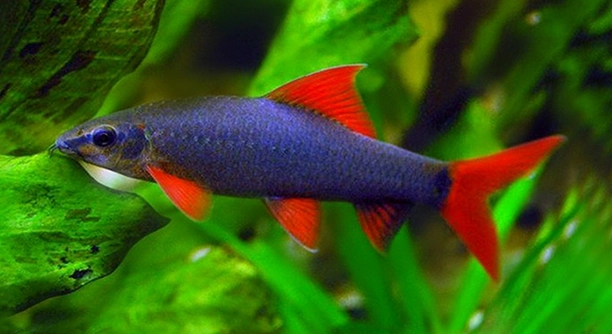
Is your rainbow shark acting aggressive and constantly chasing other fish around the tank, making it hard for them to relax?
The main reason your rainbow shark is being too territorial is due to stress, lack of space, or tankmates invading its chosen territory. This behavior is natural but can become problematic if not managed properly.
By understanding what triggers this behavior, you can take simple steps to create a more peaceful and balanced environment in your aquarium.
Lack of Space in the Tank
Rainbow sharks need enough space to feel secure. In a tank that’s too small, they become stressed and aggressive. They see the limited area as theirs and fight to protect it. A minimum of 50 gallons is recommended, especially if other fish are present. More space allows them to establish their own territory without constant interference. A cramped environment leads to chasing, biting, and cornering, which can harm more peaceful tankmates. Adding rocks, plants, and hiding spots can help break the line of sight and reduce tension. It also gives other fish places to retreat.
When a rainbow shark doesn’t have room to swim freely, it begins to lash out. These fish are naturally territorial, and overcrowding adds more pressure.
Giving your rainbow shark enough room can instantly reduce aggression. Larger tanks lower stress levels, prevent constant confrontations, and let all fish find their own space. A well-structured tank layout helps too.
Incompatible Tankmates
Rainbow sharks often clash with fish that have similar shapes or behaviors. Avoid placing them with other bottom dwellers or semi-aggressive fish.
Some fish unintentionally threaten a rainbow shark’s territory. Fish that hover near the bottom, move quickly, or mirror its body type can trigger defensive actions. Even peaceful fish can become targets if they swim too close too often. Adding slow, mid-level swimmers like gouramis or barbs usually works better. Always monitor interactions when adding new fish. If aggression worsens, rearranging the tank decorations can confuse territorial lines and calm things down. Understanding these patterns helps you prevent future conflicts.
Lack of Hiding Spots
Rainbow sharks feel more secure when they have places to hide. Without cover, they become anxious and lash out more often. Hiding spots help break up space and reduce their need to defend the entire tank.
Caves, plants, rocks, and driftwood provide the shelter rainbow sharks need to calm down. These features give them a place to retreat when they feel overwhelmed or threatened. Without cover, they often over-patrol the tank, seeing every movement as a possible invasion. A few simple additions can make a big difference. Use decorations to split the tank visually so your shark isn’t constantly tracking other fish. Also, ensure the hiding spots are large enough for your shark to fit inside. This helps them feel in control of their territory without being overly aggressive.
If your shark always swims near the same area, add a hiding spot there. This might become its chosen territory and reduce chasing. A visible boundary often calms aggressive behavior. Decor can help shape how your shark interacts with others. If you change the setup occasionally, it may also lower tension by resetting territorial habits. Keep things stable once your shark finds its space and settles.
Poor Water Quality
Poor water quality can cause your rainbow shark to become more aggressive. Stress from unbalanced water conditions often leads to erratic behavior and territorial attacks. These fish are sensitive and react strongly when the tank isn’t properly maintained.
Ammonia, nitrite, and nitrate levels should be checked regularly. Spikes in these values can irritate your fish, making them more defensive and less tolerant of tankmates. Even slight changes in pH or temperature can affect mood and behavior. A good filtration system, regular water changes, and consistent monitoring are key. Aggression often lessens when the water stabilizes and stays within safe ranges. You may not notice problems right away, but your fish will react quickly when something’s off. Keeping a testing schedule helps catch issues before they turn serious. Balanced water supports a calm tank and reduces fights over territory. Your shark is more likely to behave normally in clean, stable water.
Maturity and Natural Behavior
As rainbow sharks grow older, they often become more territorial. Juveniles may seem peaceful at first, but aggression usually increases with age. This is a natural shift and not necessarily a sign of something wrong.
Once mature, rainbow sharks see certain parts of the tank as their own. They defend these areas regularly.
Feeding Competition
Food aggression can trigger territorial behavior. If your rainbow shark feels threatened during feeding time, it may chase or nip at other fish. Spreading food across multiple areas of the tank can reduce this reaction. It’s also helpful to feed at the same time daily to build routine. When fish know food is coming regularly, they act more calmly. Some rainbow sharks respond better to sinking pellets or placing food away from their territory. Keeping feeding peaceful can ease tension between tankmates and improve overall behavior. Balanced nutrition also helps regulate mood and energy, making aggression less likely.
Lack of Mental Stimulation
Without enough stimulation, rainbow sharks become restless and territorial. A boring tank can lead to over-patrolling and chasing behavior. Adding new decor or rearranging the tank helps keep them engaged.
FAQ
Why is my rainbow shark chasing other fish all the time?
Rainbow sharks are naturally territorial. If they constantly chase other fish, it usually means they feel their space is being invaded. This happens more in smaller tanks or with tankmates that swim near their territory. They may also be reacting to stress from poor water conditions or a lack of hiding spots. Adding more space, rearranging the tank, or choosing compatible tankmates can help reduce this behavior.
Can I keep more than one rainbow shark in the same tank?
It’s not recommended to keep multiple rainbow sharks in the same tank. They are solitary and highly territorial toward their own kind. Even in large tanks, fights are common, often leading to stress or injury. If you want a similar-looking fish, consider species that don’t display the same level of aggression. Only very large tanks with lots of hiding spots might support more than one, but success is rare.
What fish can live peacefully with a rainbow shark?
Rainbow sharks do best with peaceful mid- to top-level swimmers that avoid their space. Good options include barbs, danios, rasboras, and some types of gouramis. Avoid bottom dwellers, slow-moving fish, or other semi-aggressive species. These combinations tend to cause tension. Always monitor behavior after adding new fish to be sure your rainbow shark accepts them.
How can I tell if my rainbow shark is stressed?
Common signs of stress include faded color, erratic swimming, hiding more often, or increased aggression. A stressed shark may also stop eating or show signs of illness. Poor water quality, a crowded tank, or a lack of hiding spots often causes this. Testing water parameters and observing behavior daily helps catch stress early.
Do rainbow sharks calm down over time?
Sometimes they mellow with age, but often their territorial nature becomes stronger as they mature. A calm environment with enough space and minimal disruption may help them stay more relaxed. The right tank setup, compatible fish, and steady care are the best ways to support better behavior over time.
Is it okay if my rainbow shark is aggressive during feeding?
Some food-related aggression is normal. Rainbow sharks may chase or nip to secure food, especially in smaller tanks. You can reduce this by spreading food out or distracting them with food away from the other fish. Feeding at a regular time and offering enough food also helps lower tension.
Why does my rainbow shark only chase certain fish?
They often target fish that look or act like a threat. Similar-shaped fish, bottom dwellers, or fish that enter their space repeatedly can trigger aggression. The shark is defending what it sees as its own territory. Changing the tank layout might help shift these patterns.
Can decorations and plants really help reduce aggression?
Yes, they break up the space visually, create barriers, and give all fish places to hide. This lowers stress and prevents constant eye contact between fish. Even a few changes can have a calming effect. Make sure the hiding spots are big enough for your shark to use comfortably.
How often should I change the tank layout?
Only change it if aggression increases or fish begin to show signs of stress. Constant changes can also be disruptive. Small shifts now and then can help ease tension, especially after adding new fish. Once your shark finds a good spot and stays calm, keep the layout stable.
Will a bigger tank solve the aggression problem completely?
A bigger tank helps a lot, but it may not stop all aggression. Rainbow sharks are naturally territorial, so some chasing is expected. However, more space makes it easier for fish to avoid each other. Combined with hiding spots and good water quality, a larger tank improves overall behavior.
Final Thoughts
Rainbow sharks are beautiful fish, but they need specific conditions to thrive peacefully in a tank. Their territorial nature is part of who they are, especially as they grow older. A calm and balanced environment plays a big role in how they behave. Most aggressive behavior comes from stress, a lack of space, poor water quality, or living with the wrong type of fish. By paying attention to these things, you can help your rainbow shark feel safe and act more calmly. A peaceful tank helps all fish get along better and reduces unwanted chasing or fighting.
The tank setup is one of the most important parts of keeping a rainbow shark. A tank that’s too small or crowded will always cause problems. Giving them enough room, adding hiding spots, and avoiding other bottom-dwelling fish will reduce stress and help prevent aggressive actions. Even small changes, like adjusting the decorations or spreading out food during feeding, can make a noticeable difference. It’s also important to keep a regular cleaning and testing schedule. Clean water supports better health and behavior, and that means a better experience for you and your fish.
Every rainbow shark is different. Some are more aggressive than others, and some adjust faster to changes in their tank. Being patient and observant helps you understand what your fish needs. If you notice signs of stress or constant aggression, it’s usually a sign that something needs to be fixed. Small improvements in tank conditions often lead to big changes in behavior. With the right care, your rainbow shark can live a healthy, active life without causing constant trouble in the tank. Taking the time to set up the right environment gives your shark—and its tankmates—the best chance to live peacefully.

Hello,
If you enjoy the content that we create, please consider saying a "Thank You!" by leaving a tip.
Every little bit helps us continue crafting quality advice that supports the health, happiness, and well-being of pets around the world, for pets of all shapes, sizes, and species.
We really appreciate the kindness and support that you show us!