
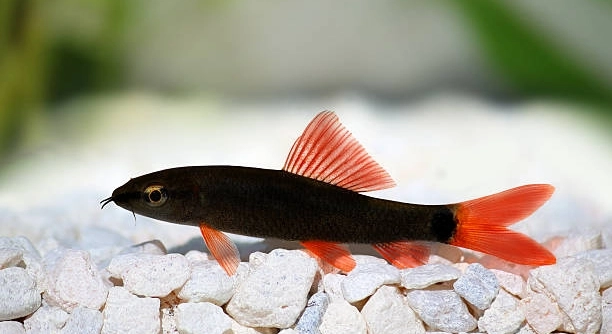
Rainbow sharks are popular freshwater fish known for their striking colors and active behavior. Many owners enjoy watching them explore their tanks, but sometimes these fish tend to hide more often than expected. This article explores common reasons why your rainbow shark may prefer to stay out of sight.
Rainbow sharks hide primarily due to stress, poor water conditions, overcrowding, or lack of proper hiding spots. Additionally, changes in lighting, illness, or territorial disputes can cause them to retreat and remain concealed. Identifying these factors is key to improving their environment and behavior.
Understanding these causes will help you create a more comfortable habitat for your rainbow shark. This knowledge ensures your fish stays healthy and more visible in its aquarium home.
Stress and Environmental Changes
Stress is a major reason why rainbow sharks hide. Sudden changes in the tank, such as new decorations, rearranging plants, or shifting the tank’s location, can unsettle them. These fish thrive in stable environments where they feel secure. Loud noises or frequent tapping on the glass also add to their stress. A stressed rainbow shark will look for hiding spots to avoid what it sees as threats. Maintaining a consistent tank setup and minimizing disturbances can help reduce this stress and encourage your fish to explore more openly.
When rainbow sharks feel safe, they swim more and hide less. Creating a calm environment is essential for their comfort.
Keeping the tank peaceful and steady benefits your rainbow shark’s well-being. Small adjustments like limiting noise and keeping decorations constant can make a noticeable difference. Providing shaded areas or caves gives them a sense of security. Over time, your fish will become more confident and spend more time swimming in the open. Regularly monitoring water quality and tank conditions also prevents additional stress. A balanced environment supports a happier, more active rainbow shark that is less likely to hide.
Poor Water Quality
Poor water quality often causes rainbow sharks to hide. High ammonia, nitrite, or nitrate levels can make them uncomfortable and stressed. Keeping the water clean is essential for their health and visibility.
Regular water changes and proper filtration keep toxin levels low. Testing the water weekly helps catch problems early. Rainbow sharks need stable pH and temperature for comfort. Sudden shifts in these can lead to hiding behavior as the fish try to cope with the changes. Removing uneaten food and waste also reduces harmful substances in the tank. Maintaining good water conditions supports your fish’s natural activity and reduces hiding tendencies.
Proper water quality is one of the easiest ways to encourage your rainbow shark to come out more. Investing time in tank maintenance helps keep your fish healthy and more active, allowing you to enjoy their bright colors and movement. It also prevents illness linked to poor water, which can cause prolonged hiding or worse. Keeping the environment balanced will make your aquarium a better home for your rainbow shark.
Tank Overcrowding
Overcrowding stresses rainbow sharks, causing them to hide. They need enough space to establish territory without feeling threatened by other fish.
Too many fish in a small tank create competition for food, space, and hiding spots. Rainbow sharks become defensive and retreat to avoid conflicts. Providing at least 30 gallons per fish reduces crowding. Adding decorations to create separate zones can help minimize territorial fights. Avoid mixing aggressive species with rainbow sharks, as this increases stress. Adequate space and thoughtful tank mates encourage your fish to be more visible and active.
Lack of Hiding Spots
Rainbow sharks need hiding spots to feel secure. Without enough caves or plants, they may hide in less visible areas or stay hidden out of stress.
Providing plenty of decorations and dense plant areas gives them safe places to retreat. This balance helps them feel comfortable and reduces constant hiding.
Illness and Injury
When rainbow sharks are sick or injured, they hide more often to protect themselves. Signs include lethargy, loss of appetite, or unusual swimming patterns. Prompt treatment and maintaining clean water improve their recovery chances. Observing behavior closely helps catch problems early before they worsen.
Lighting Conditions
Bright or harsh lighting can make rainbow sharks uncomfortable. Adjusting light intensity or providing shaded areas helps them feel less exposed.
FAQ
Why does my rainbow shark hide all the time?
Rainbow sharks hide often because they feel stressed or unsafe. Common reasons include poor water quality, lack of hiding spots, overcrowding, or sudden changes in their environment. These factors make them seek shelter to protect themselves from perceived threats or discomfort.
How can I make my rainbow shark less shy?
Improving tank conditions helps your fish feel more secure. Keep the water clean by testing regularly and doing partial water changes. Add caves, plants, and decorations for hiding places. Avoid sudden changes to the tank setup and keep noise levels low around the aquarium.
Is it normal for rainbow sharks to hide during the day?
Yes, rainbow sharks are naturally more active at dawn and dusk. During bright daylight, they often hide to avoid stress from strong lighting. Providing shaded areas or dimming lights can encourage more daytime activity.
Can poor water quality make my rainbow shark sick?
Absolutely. High ammonia, nitrite, or nitrate levels irritate fish and weaken their immune system. This leads to illness and hiding behavior. Regular water testing and cleaning prevent toxin buildup and keep your fish healthy.
How much space does a rainbow shark need?
Rainbow sharks need at least 30 gallons per fish. They are territorial and require enough room to swim freely and establish areas without constant competition. Overcrowding causes stress and hiding.
What tank mates work well with rainbow sharks?
Choose peaceful, fast-swimming fish that won’t compete aggressively for territory. Avoid slow or shy species, as well as other bottom dwellers that may trigger territorial disputes. Proper tank mates reduce stress and encourage normal behavior.
Can lighting affect my rainbow shark’s behavior?
Yes, very bright lighting can make rainbow sharks uncomfortable and cause them to hide. They prefer moderate light with shaded spots. Using floating plants or dimmable lights can create a more natural and comfortable environment.
How do I know if my rainbow shark is sick?
Signs include hiding more than usual, loss of appetite, clamped fins, erratic swimming, or visible injuries. Early detection and treatment are important. Quarantine sick fish and maintain clean water to support recovery.
Should I rearrange the tank to keep my rainbow shark active?
Frequent rearranging can stress your fish. Rainbow sharks prefer a stable environment with familiar hiding spots. If you need to change the layout, do it gradually and observe your fish’s reaction.
What should I feed my rainbow shark?
A balanced diet with sinking pellets, flakes, and occasional live or frozen foods works well. Feeding once or twice daily in small amounts prevents leftover food that can degrade water quality.
How often should I clean the tank?
Perform partial water changes of 20-30% weekly or biweekly depending on tank size and stocking levels. Remove uneaten food and debris regularly to maintain good water quality.
Can stress cause illness in rainbow sharks?
Yes, prolonged stress weakens their immune system and makes them vulnerable to diseases. Reducing stressors like overcrowding, poor water, and aggressive tank mates is key to their health.
Why does my rainbow shark hide after adding new fish?
New additions change the social dynamic and can increase competition or stress. Your rainbow shark may hide to avoid confrontations until it adjusts to the new tankmates.
Is it okay if my rainbow shark hides a lot?
Some hiding is normal, but constant hiding often indicates discomfort or health issues. Monitoring water quality, tank setup, and behavior helps identify and solve problems early.
How can I create hiding spots for my rainbow shark?
Use caves, ceramic pots, dense plants, and decorations to build secure shelters. Multiple hiding places reduce stress and give your fish options to retreat when needed.
Can temperature changes affect my rainbow shark?
Yes, rainbow sharks prefer temperatures between 72-79°F (22-26°C). Sudden shifts outside this range cause stress and hiding. Use a reliable heater and thermometer to keep the temperature steady.
What signs show my rainbow shark is happy and healthy?
Active swimming, bright colors, regular eating, and exploring the tank indicate good health. Reduced hiding and interaction with the environment also show your fish is comfortable.
Final Thoughts
Rainbow sharks are beautiful and active fish, but they often hide when something in their environment is not quite right. Understanding the reasons behind their behavior is important for every owner. Whether it is stress, water quality, or tank conditions, these factors play a big role in how your fish acts. Taking time to observe your rainbow shark closely can help you notice changes early and take the right steps to improve their living space. Small adjustments often lead to better health and more visible behavior.
Maintaining a clean, stable, and comfortable tank environment is essential for your rainbow shark’s well-being. Regular water testing, proper filtration, and appropriate tank size create a foundation where your fish can thrive. Adding enough hiding spots and keeping the lighting gentle allows them to feel safe and confident. It is also important to choose compatible tank mates and avoid overcrowding, as this can cause stress and increase hiding behavior. A balanced diet and careful monitoring for signs of illness complete the care routine.
Patience is key when helping your rainbow shark feel secure and less hidden. Changes may not happen overnight, but consistency in care and environment will make a difference. Your efforts to create a healthy and calm aquarium will show in your fish’s behavior over time. By paying attention to their needs and making thoughtful adjustments, you encourage your rainbow shark to come out more often and enjoy a better quality of life. This leads to a more rewarding experience for both you and your fish.

Hello,
If you enjoy the content that we create, please consider saying a "Thank You!" by leaving a tip.
Every little bit helps us continue crafting quality advice that supports the health, happiness, and well-being of pets around the world, for pets of all shapes, sizes, and species.
We really appreciate the kindness and support that you show us!