
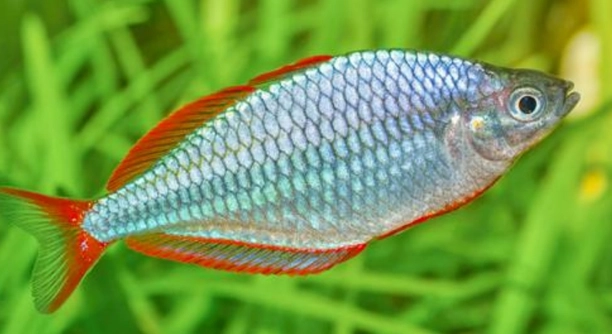
Rainbow fish are known for their vibrant colors, but sometimes their hues may appear dull or pale. This shift in appearance can be concerning, as it may signal underlying health issues or environmental stressors that need attention.
The most common reason for a pale rainbow fish is poor water quality, which can cause stress and affect their coloration. Nutritional deficiencies, disease, and improper lighting also contribute to fading colors. Proper care and environment adjustments are essential.
Maintaining a healthy aquarium environment and diet is crucial for vibrant fish. Understanding the root cause of the fading color will help ensure your rainbow fish return to their full, beautiful self.
Water Quality
The quality of the water in your aquarium plays a major role in your rainbow fish’s health and appearance. Poor water conditions can lead to a range of problems, including pale or faded colors. High levels of ammonia, nitrites, or nitrates are often the primary cause of stress for fish, resulting in dull coloration. It is important to regularly monitor the water parameters and ensure they are within the recommended ranges. A filter that works properly, regular water changes, and appropriate water temperature are crucial for maintaining healthy, vibrant fish.
Poor water quality directly impacts your rainbow fish’s ability to thrive. By testing the water frequently and adjusting as needed, you’ll create a healthier environment.
To ensure optimal water quality, perform regular water changes and invest in a reliable filtration system. Additionally, check the pH, hardness, and temperature levels to ensure they meet the needs of your rainbow fish. Keeping the water stable and free from harmful substances helps prevent unnecessary stress, allowing your fish to display their true colors.
Diet and Nutrition
A lack of proper nutrition can lead to faded colors in your rainbow fish. Like all fish, they require a balanced diet rich in vitamins and nutrients to stay healthy. Feeding them high-quality flakes, pellets, or live food ensures they get the proper nourishment. If your fish are not getting the right nutrients, it can lead to color loss and weakened immune systems. For rainbow fish to maintain their vibrant colors, include a variety of foods in their diet, such as spirulina and brine shrimp, which provide essential vitamins.
Feeding a varied diet will help maintain the health and vibrancy of your rainbow fish.
Providing your rainbow fish with a balanced diet is crucial for their overall well-being. Make sure to rotate the foods you offer to provide a full range of nutrients. This ensures they get the vitamins, minerals, and proteins they need to support their health and coloration. Be sure to feed them a small amount multiple times a day to avoid overfeeding and to encourage active feeding behaviors. Over time, with a consistent diet and proper feeding routine, you’ll notice improvements in their coloration and overall health.
Lighting
Improper lighting can cause rainbow fish to appear pale. Fish need a consistent light cycle to thrive. Too much or too little light can stress them out, causing their colors to dull. Aim for around 10-12 hours of light per day, along with natural or aquarium-friendly lighting.
Too much light can lead to algae growth, which affects water quality. In contrast, low light can prevent rainbow fish from expressing their full color potential. Regularly adjust the light intensity and provide a dark period for rest. A balance between light and dark periods promotes natural behaviors, which helps keep your fish vibrant.
Using aquarium lights with a spectrum designed for fish can also enhance their colors. Consider using LED lights that mimic natural daylight, as this encourages your fish to display their best hues. Be mindful of how light affects the aquarium and adjust based on your fish’s needs.
Disease and Illness
Illness can lead to a loss of color in rainbow fish. Fungal, bacterial, or parasitic infections often make fish appear pale. Look out for symptoms such as erratic swimming or visible lesions. Early detection is key to preventing further harm to your fish.
If you suspect an infection, quarantine the affected fish to prevent the spread of disease. Apply treatment according to the illness diagnosed, and follow the instructions carefully. Monitoring the health of all fish in the tank can help spot problems early, minimizing the impact on the whole aquarium.
Adding stress-reducing treatments like aquarium salt can also help boost the immune system of affected fish. Adjusting water quality during treatment is crucial for recovery. By maintaining good tank hygiene and treating illness promptly, you’ll help ensure your rainbow fish can regain their health and color.
Stress
Stress is a common reason why rainbow fish appear pale. Factors such as sudden temperature changes, overcrowding, or aggressive tank mates can cause stress. When fish are stressed, they may lose their vibrant colors and display a dull, washed-out look.
Minimizing stress is essential for maintaining healthy fish. To reduce stress, make sure the tank is not overcrowded, maintain a stable temperature, and avoid adding aggressive species. Creating a peaceful environment helps your fish feel safe, and this will encourage them to show their natural colors.
Proper tank decorations and hiding spots can also reduce stress by providing areas for your fish to retreat. By ensuring your rainbow fish are comfortable, you’ll increase their chances of recovering their colors and improving overall well-being.
Overfeeding
Overfeeding your rainbow fish can negatively affect their health, including their coloration. Excess food leads to poor water quality, which can cause stress and dull colors. It is essential to feed your fish the right amount of food, which helps maintain water quality.
Feed your rainbow fish only what they can consume in 2-3 minutes. This prevents food from decomposing in the water and causing nutrient imbalances. Regular water changes and a balanced feeding schedule will also help improve water conditions and fish health.
Feeding smaller amounts more frequently instead of large portions helps keep the tank cleaner and reduces waste. This approach ensures your fish receive the necessary nutrition without overloading the system.
Tank Size
A small tank can limit the space available for your rainbow fish, leading to stress and pale colors. Providing a larger tank with plenty of swimming space can help improve their overall health. Ensure the tank is large enough to accommodate the number of fish you have.
A larger tank reduces the chance of overcrowding, allowing your rainbow fish to move freely and interact naturally. This freedom from confinement contributes to better coloration. When choosing a tank, aim for at least a 30-gallon size for a small group of rainbow fish.
Proper tank size is essential for long-term fish health. Providing a spacious environment also allows for better filtration and easier maintenance, creating an overall healthier habitat.
FAQ
Why is my rainbow fish turning pale?
There are several reasons why your rainbow fish might turn pale. Poor water quality is a common cause, as high levels of ammonia, nitrites, or nitrates can stress the fish and cause their colors to fade. Additionally, improper lighting, a lack of proper nutrition, or underlying diseases can also contribute to pale coloration. It’s essential to check water parameters regularly, adjust the lighting, and ensure the fish are receiving a balanced diet. Addressing these factors can help restore their vibrant colors.
How can I improve the color of my rainbow fish?
To improve the color of your rainbow fish, start by ensuring the water quality is optimal. Regular water changes, proper filtration, and monitoring water parameters like pH, temperature, and ammonia levels are crucial. Offering a varied diet rich in vitamins and nutrients, such as high-quality flakes, pellets, or live food, will also help. Additionally, providing stable lighting and reducing stress by offering hiding spots and avoiding overcrowding can help your rainbow fish regain their full color.
Can poor water quality cause my rainbow fish to lose color?
Yes, poor water quality is a primary cause of fading colors in rainbow fish. Ammonia, nitrites, and nitrates can build up in the water, especially if it’s not changed regularly. These chemicals stress the fish, leading to a loss of vibrant color. It’s essential to test water regularly and perform routine water changes to keep these levels in check. Clean, stable water conditions are vital for maintaining your fish’s health and appearance.
Does the temperature affect my rainbow fish’s color?
Yes, temperature can affect the coloration of your rainbow fish. Extreme temperature fluctuations can cause stress, which may result in pale colors. Rainbow fish thrive in a consistent water temperature, typically between 72-80°F (22-27°C). Keep a reliable heater in the tank and use a thermometer to ensure the water temperature stays stable. A steady, optimal temperature promotes overall health, including maintaining bright and healthy colors.
Can stress cause my rainbow fish to lose its color?
Yes, stress can cause rainbow fish to lose their color. Stressors such as overcrowding, aggressive tank mates, or sudden changes in their environment can lead to a loss of vibrancy. Fish that feel threatened or uncomfortable may also display faded or pale colors. To reduce stress, provide a peaceful tank environment with adequate space, hiding spots, and compatible tank mates. Avoid sudden changes in water temperature or pH, as these can also stress the fish.
How often should I feed my rainbow fish?
Rainbow fish should be fed small amounts multiple times a day, ideally two to three times. Overfeeding can lead to water quality issues, while underfeeding can cause malnutrition, both of which can negatively affect their health and coloration. Offer only as much food as your fish can eat in 2-3 minutes to avoid excess food decomposing and polluting the tank. Vary their diet with high-quality flakes, pellets, and occasional live or frozen foods to provide balanced nutrition.
What is the best diet for rainbow fish?
Rainbow fish benefit from a varied diet. Offer a mix of high-quality flakes or pellets that contain essential nutrients, as well as occasional live or frozen foods like brine shrimp, daphnia, and bloodworms. Vegetables such as spinach or peas can also be provided occasionally for added fiber. A balanced diet ensures the fish receive all the vitamins and minerals they need for optimal health and coloration. Regular feeding with a variety of foods will help your rainbow fish maintain bright and healthy colors.
How do I know if my rainbow fish is sick?
Signs of illness in rainbow fish include faded or pale colors, erratic swimming, loss of appetite, visible lesions or wounds, and labored breathing. If your fish shows any of these symptoms, it may be infected by bacteria, parasites, or fungus. Quarantine the affected fish to prevent the spread of disease and begin treatment as soon as possible. It’s important to monitor water quality during this time to avoid further stress. Regularly checking for signs of illness and treating issues early is key to keeping your fish healthy.
Can I use aquarium salt to treat my rainbow fish?
Aquarium salt can be helpful for treating certain conditions, such as minor injuries or stress-related issues. However, it’s essential to use salt in moderation and follow specific instructions for your fish species. Some rainbow fish are more sensitive to salt, so it’s important to research how much salt is safe for your particular fish. If you’re unsure, consult a professional before using aquarium salt. Always dissolve the salt properly in water to avoid sudden changes in salinity, which could further stress the fish.
Can rainbow fish live with other species?
Rainbow fish are peaceful and generally do well with other non-aggressive species. However, it’s important to ensure that tank mates are compatible in terms of size and temperament. Avoid placing rainbow fish with overly aggressive or territorial species, as this can cause stress and lead to a loss of color. Compatible species like tetras, guppies, and peaceful catfish can make excellent tank mates. Always consider the tank’s size and ensure there is enough space for everyone to coexist peacefully.
Final Thoughts
Maintaining healthy, vibrant rainbow fish requires attention to their environment, diet, and overall well-being. Ensuring proper water quality is one of the most important factors. By keeping ammonia, nitrites, and nitrates at safe levels, you reduce the risk of stress and fading colors. Regular water changes, combined with reliable filtration systems, can make a significant difference in the long-term health of your fish. Testing water parameters frequently helps catch potential issues before they affect your fish. Creating a stable and clean environment is essential for promoting their natural beauty and vitality.
Another key aspect to consider is feeding. Rainbow fish benefit from a balanced diet rich in nutrients. Offering a variety of high-quality flakes, pellets, and occasional live or frozen foods can help your fish thrive. Overfeeding, however, can lead to poor water quality, which in turn stresses the fish and dulls their colors. Feeding them the right amount of food at regular intervals will ensure they are getting proper nutrition without harming their environment. Be mindful of their feeding habits to avoid overloading the tank and keep things simple.
Lastly, keeping your fish stress-free is crucial. Factors like overcrowding, aggressive tank mates, or sudden changes in temperature can all lead to stress, which directly impacts your fish’s appearance. Providing enough space for swimming and hiding spots helps your fish feel secure. Choosing peaceful tank mates is essential for creating a harmonious aquarium. Stress is one of the leading causes of fading colors in rainbow fish, so minimizing stressors will go a long way in keeping your fish looking their best. With the right care, your rainbow fish can enjoy a long and healthy life.

Hello,
If you enjoy the content that we create, please consider saying a "Thank You!" by leaving a tip.
Every little bit helps us continue crafting quality advice that supports the health, happiness, and well-being of pets around the world, for pets of all shapes, sizes, and species.
We really appreciate the kindness and support that you show us!