
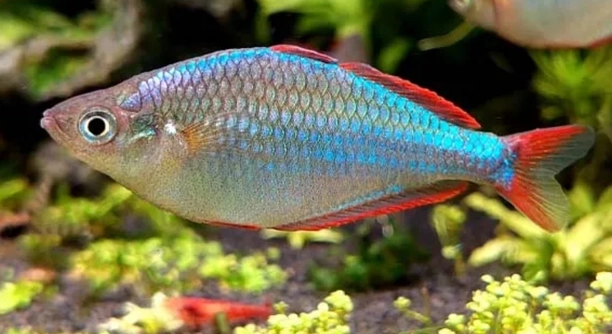
Rainbow fish are popular for their bright colors and lively personalities. However, sometimes they may stop eating, leaving owners puzzled and concerned. Understanding the reasons behind this behavior can help improve their well-being and restore their appetite.
The main reasons why your rainbow fish is not eating could stem from stress, poor water conditions, or an unbalanced diet. Other factors may include illness, water temperature fluctuations, or competition with tank mates for food. Identifying the root cause will help address the issue.
There are several possible fixes to help your rainbow fish start eating again. By understanding their needs and adjusting their environment or diet, you can ensure a healthier, happier fish. Keep reading to find out how to solve this issue effectively.
Stress and Anxiety: Common Causes of Loss of Appetite
Stress is one of the most frequent reasons why rainbow fish refuse to eat. Fish can easily get stressed due to changes in their environment or handling. A new tank setup, aggressive tank mates, or even constant movement around the tank can contribute to anxiety. When fish are stressed, they may withdraw and avoid food, making it harder for them to feel comfortable enough to eat. The stress could also come from poor water conditions like sudden changes in pH, ammonia levels, or nitrite concentration, which might cause them to feel unwell.
Stress is difficult to detect directly but can usually be seen through signs like hiding, rapid gill movement, or lack of interest in food. If the water is not clean or stable, the fish may try to avoid eating altogether.
To reduce stress, keep the environment calm and ensure water quality is stable. Regular water changes and proper filtration can help, as can introducing new tank mates slowly. Also, avoid sudden temperature changes and minimize disturbances around the tank.
Water Quality and Temperature Issues
Water quality is essential for a rainbow fish’s health. Poor water conditions, such as high ammonia levels or fluctuating temperatures, can lead to a loss of appetite. These fish thrive in well-maintained water with a neutral pH level and stable temperature.
A drop in water temperature can make them sluggish, causing a decrease in their appetite. If your tank is too cold or hot, your fish might stop eating because they are not comfortable enough to do so. Adjusting the water temperature and performing regular water tests can help maintain the right conditions.
Checking water quality regularly is important. Ensure that ammonia and nitrite levels are zero and that nitrate levels are below 20 ppm. If water parameters are off, performing a water change and adjusting the temperature can help. You can also use a heater to maintain the appropriate temperature range for rainbow fish, typically between 74°F and 80°F. Proper maintenance will help keep your fish healthy and feeding again in no time.
Illness and Health Concerns
If your rainbow fish is not eating, it might be sick. Like many fish, they can suffer from various illnesses that affect their appetite, such as internal parasites, bacterial infections, or external injuries.
Illnesses often show physical signs like faded colors, visible lesions, or bloating. If your fish has these symptoms, it’s best to isolate them in a quarantine tank to prevent the spread of disease. Additionally, check for unusual behavior, such as abnormal swimming patterns, which can point to an underlying health issue.
Treating the illness often requires medication, which can be found at your local pet store or online. Make sure to follow the instructions carefully to avoid harming the fish further. Proper treatment should help restore their appetite once their condition improves.
Diet and Food Preferences
Rainbow fish may also stop eating if they don’t like the food offered. They can be picky eaters and may refuse food that doesn’t appeal to them.
Experimenting with different food types, such as pellets, flakes, or live food, may help get them eating again. You might also want to try varying the size and texture of the food to match their preferences. Keep in mind that overfeeding can sometimes make them lose interest in food.
If they are still not eating, consider adjusting their feeding schedule or trying a different brand of food. Changing up their diet can encourage them to eat again and keep them healthy.
Overcrowding in the Tank
Too many fish in the tank can create a stressful environment, making your rainbow fish reluctant to eat. Overcrowding leads to competition for food and space, which can trigger stress and make your fish feel unsafe.
If you notice that your rainbow fish is hiding more often, it might be a sign that the tank is too crowded. This can also lead to poor water quality, adding to the problem.
Consider moving some fish to another tank if overcrowding is an issue. By reducing the number of fish, you can provide more space and improve the water conditions.
Tank Mates and Aggression
Rainbow fish are generally peaceful, but aggressive tank mates can cause stress, leading to loss of appetite. If your fish is being bullied or chased by others, it might stop eating due to fear.
Aggressive behavior can also be triggered by the presence of territorial fish or certain species that compete for food. Observe your rainbow fish closely to see if aggression is affecting its eating habits.
If aggression is the issue, you may need to remove the aggressive fish or separate them in different sections of the tank. Reducing conflict should help restore your rainbow fish’s appetite.
FAQ
Why is my rainbow fish hiding and not eating?
Hiding is a common response to stress or illness. If your rainbow fish is hiding more than usual and refusing food, it could be due to poor water conditions, bullying by other tank mates, or an underlying health problem. Ensure the water is clean and stable, and check for any signs of aggression or disease. Reducing stress by creating a calm tank environment and adding hiding spots can help the fish feel safer and more likely to eat. If the issue persists, consult with an aquarium professional or veterinarian.
How often should I feed my rainbow fish?
Rainbow fish are typically fed once or twice a day. However, overfeeding can lead to water quality problems and health issues. Make sure to feed small amounts that your fish can consume in a few minutes. If you notice uneaten food in the tank after feeding, reduce the portion size. If your fish refuses food, you may need to adjust the type of food offered or address any environmental stressors.
Can rainbow fish refuse food if the water is too cold?
Yes, temperature fluctuations can cause rainbow fish to stop eating. These fish prefer water temperatures between 74°F and 80°F. If the water is too cold, your fish might become lethargic and lose interest in food. Ensure the tank temperature is stable and falls within the ideal range. Using a heater can help maintain the proper temperature.
Can rainbow fish eat frozen food?
Rainbow fish can eat frozen food, and it can be a nutritious option for them. Foods like frozen brine shrimp, bloodworms, or daphnia can stimulate their appetite. However, make sure to thaw the food before feeding it to avoid any shock to the fish. Offering a variety of foods, including frozen options, can help encourage your rainbow fish to eat again.
Should I add more plants to the tank if my rainbow fish isn’t eating?
Adding plants can help reduce stress for your rainbow fish. They provide hiding spots and a more natural environment, which can make your fish feel more secure. If your tank lacks hiding spaces, consider adding some plants or decorations to give your fish places to retreat. This may help reduce anxiety and encourage eating.
Is my rainbow fish sick if it’s not eating?
Not eating can be a sign of illness, but it’s not always the case. Rainbow fish may stop eating due to stress, water quality issues, or temperature changes. If your fish has visible signs of illness like faded colors, swollen belly, or abnormal swimming patterns, it may indeed be sick. In such cases, isolating the fish in a quarantine tank and seeking appropriate treatment is essential.
Can I try feeding my rainbow fish live food?
Yes, live food can be an excellent way to encourage your rainbow fish to eat, especially if they are picky. Live food such as worms, brine shrimp, or small insects can stimulate their hunting instincts and often gets them to eat more eagerly. Just make sure the live food is safe and properly sourced to avoid introducing diseases to your tank.
How long can rainbow fish go without eating?
Rainbow fish can usually survive without food for about a week, but it’s not healthy for them to go that long without eating. A prolonged lack of food can lead to stress, weight loss, and even a weakened immune system. If your fish is refusing food for several days, it’s crucial to investigate the cause and take corrective action as soon as possible.
Can water changes help my rainbow fish start eating again?
Yes, regular water changes can improve water quality and reduce stress, which may encourage your rainbow fish to eat. Poor water conditions, such as high levels of ammonia, nitrites, or nitrates, can make your fish uncomfortable and cause them to stop eating. Performing a water change helps maintain a clean and healthy environment, which may restore your fish’s appetite.
What should I do if my rainbow fish is eating less than usual?
If your rainbow fish is eating less, it’s important to identify the cause. Check the water quality, as poor water conditions are a common reason for reduced appetite. Also, make sure the temperature is stable, the food is fresh and appealing, and there are no aggressive tank mates. If the problem continues, consider seeking advice from an aquarium professional. Reducing stress and offering a variety of food options might help the fish eat again.
Can I use aquarium salt if my rainbow fish isn’t eating?
Aquarium salt can sometimes be helpful in treating minor injuries or infections, but it’s important not to overuse it. It may help with stress-related issues or mild diseases that could be affecting your rainbow fish’s appetite. However, excessive salt can harm plants or other tank inhabitants. If your fish is not eating, it’s better to first focus on water quality, diet, and reducing stress before using salt.
How can I tell if my rainbow fish is stressed?
Stressed rainbow fish may show signs such as hiding, rapid gill movement, swimming in erratic patterns, or a loss of color. They may also stop eating or become more aggressive towards other tank mates. Stress can be caused by poor water conditions, overcrowding, temperature fluctuations, or aggressive tank mates. Identifying and addressing the source of stress is crucial to restoring your fish’s health and appetite.
Is it okay to leave my rainbow fish alone if it’s not eating?
It’s not ideal to leave your rainbow fish alone for extended periods if it’s not eating. While short-term fasting may not harm the fish, if it continues for more than a few days, it can lead to malnutrition and stress. It’s important to monitor the fish’s behavior closely and address any potential issues like poor water conditions, illness, or stress as soon as possible.
Can my rainbow fish eat algae?
Rainbow fish may nibble on algae if it’s available, but they don’t primarily rely on it for nutrition. While they might graze on algae from time to time, they require a varied diet that includes high-quality pellets, flakes, and occasional live or frozen foods. Adding algae to the tank can help provide a more natural environment but shouldn’t be considered a substitute for a balanced diet.
Final Thoughts
If your rainbow fish isn’t eating, it’s important to take a step-by-step approach to figure out the cause. There are many factors that could lead to a loss of appetite, such as poor water conditions, stress, illness, or even a change in diet. By closely observing your fish and its environment, you can identify what might be affecting its eating habits. It’s always a good idea to first check the water quality and ensure it’s stable and clean. If the environment isn’t ideal, your fish may not feel comfortable enough to eat.
Sometimes, stress caused by overcrowding or aggressive tank mates can make your rainbow fish anxious, which in turn affects its appetite. If the tank is too crowded, it can lead to competition for food, reducing the chance that your fish gets its share. Introducing hiding spots and rearranging the tank can create a more peaceful environment. Make sure the fish has enough space to swim freely and feels safe. If there’s aggression from other fish, separating the aggressive ones or adding more plants might help reduce tension.
Lastly, be patient and consistent with your approach. If the issue persists, consider consulting an aquarium professional or veterinarian who can offer additional advice and possibly diagnose any underlying health problems. Illnesses can also be a reason why your rainbow fish isn’t eating, so watch out for symptoms like bloating, faded colors, or unusual swimming behavior. Identifying these signs early on is key to treating the problem before it gets worse. By maintaining a clean and healthy environment, feeding a balanced diet, and keeping stress levels low, your rainbow fish should be able to regain its appetite and thrive again.

Hello,
If you enjoy the content that we create, please consider saying a "Thank You!" by leaving a tip.
Every little bit helps us continue crafting quality advice that supports the health, happiness, and well-being of pets around the world, for pets of all shapes, sizes, and species.
We really appreciate the kindness and support that you show us!