
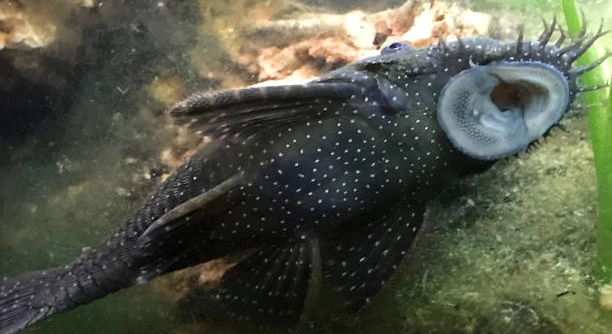
If you’re an aquarium enthusiast, you may find yourself wondering why your plecostomus isn’t breeding despite your best efforts. This behavior can be confusing, especially when these fish are known to breed fairly easily under the right conditions.
The primary reasons your plecostomus might not breed are environmental stress, improper water conditions, and lack of suitable food. Additionally, incorrect tank mates or insufficient hiding spots can affect their breeding behavior. Proper care is crucial for successful breeding.
Understanding what factors contribute to your pleco’s breeding challenges is essential. By making a few changes to their environment, you can encourage healthier, happier fish and increase your chances of successful breeding.
1. Water Quality and Temperature Issues
Plecostomus are sensitive to changes in their water environment. If the water is too cold or too warm, it can prevent them from breeding. These fish thrive in a temperature range of 75°F to 80°F (24°C to 27°C). Anything outside this range can stress them, making breeding less likely. Additionally, water hardness and pH levels need to be stable. If your tank is too acidic or too alkaline, it could impact their ability to reproduce. Clean water is also essential. Regular water changes and proper filtration are necessary to keep the environment suitable for your plecos.
Water quality impacts breeding because plecostomus need clean and balanced conditions. Filtration, proper water changes, and stable parameters are key to a successful breeding setup.
To ensure that water quality doesn’t become a roadblock, check your tank’s pH, hardness, and temperature regularly. Use an aquarium heater if necessary to maintain a consistent temperature. Make sure your filter is functioning well and that the tank is not overcrowded. Clean water will make a big difference in their ability to breed.
2. Inadequate Hiding Spots
Plecos like to feel secure, especially when breeding. If there aren’t enough places to hide or rest, it can stress them out. These fish prefer caves, driftwood, or plants to make their environment feel safer. Without these, they might not breed, as they don’t feel comfortable enough to reproduce.
Providing proper hiding spots is key to encouraging your plecostomus to breed. Offer multiple caves or shelters made from natural materials like PVC pipes, driftwood, or aquarium-safe decorations. These will give them the privacy they need. A tank with lots of places to hide will reduce stress and increase the likelihood of breeding.
In addition to caves, adding live plants can help create a more natural environment. They’ll appreciate the structure and feel more at ease. Just make sure the plants are hardy and can tolerate the plecos’ grazing. A varied environment with lots of hiding places reduces anxiety and encourages natural behavior, including breeding.
3. Poor Diet
A poor diet can also affect your plecostomus’ ability to breed. If they’re not getting the proper nutrients, they may not have the energy or health to reproduce. Ensure they have a balanced diet of algae wafers, fresh vegetables, and occasional protein.
Feeding them a variety of foods is essential. A healthy pleco diet includes algae-based food, blanched zucchini, cucumber, and even occasional shrimp or bloodworms. This diet will provide the necessary vitamins and minerals that support breeding. Avoid overfeeding or relying too heavily on one type of food.
A varied and nutrient-rich diet will keep your plecos in optimal health, making them more likely to breed when conditions are right. Proper nutrition helps support their immune systems and ensures they are strong enough to handle the physical demands of reproduction.
4. Incorrect Tank Mates
Tank mates can play a huge role in whether your plecos breed. Aggressive or overly territorial fish may stress them, hindering their ability to reproduce. Ensure the other fish in your tank are peaceful and won’t disturb the plecostomus.
Choosing the right tank mates is essential for your pleco’s comfort. Fish like tetras, rasboras, or peaceful catfish can coexist well with plecos. Avoid pairing them with large, aggressive fish, or other territorial species that may intimidate your plecos. Stress from tank mates could lead to failed breeding attempts, even if all other conditions are met.
FAQ
What is the best water temperature for breeding plecos?
For breeding, plecostomus thrive in water temperatures between 75°F and 80°F (24°C to 27°C). Maintaining a consistent temperature within this range encourages breeding. Too high or too low can stress them and prevent successful reproduction. Using a reliable aquarium heater can help keep the temperature steady and prevent sudden fluctuations, which are stressful for your plecos. If the water is too warm, oxygen levels can drop, which can also discourage breeding.
Do plecos need a breeding pair to reproduce?
While plecos do not necessarily need a specific “breeding pair,” they do require both a male and a female to breed. Plecos are usually egg layers, and the male will often choose a suitable hiding spot, like a cave, to court the female. Once she accepts him, he will guard the eggs. In some cases, a group of plecos can work, but it’s usually best to ensure at least one male and one female are present for breeding to occur.
How can I tell if my plecos are ready to breed?
When plecos are ready to breed, the males typically display certain behaviors, like guarding a cave or space in the tank. They may also exhibit more aggressive behavior toward other males, marking their territory. Females will appear rounder or fuller with eggs inside them, especially when viewed from above. During breeding, males often release a “clicking” sound and might chase the females into caves. This is usually a good sign that they are preparing for reproduction.
Can I breed plecos in a community tank?
Breeding plecos in a community tank can be challenging, as the presence of other fish may cause stress. However, it’s still possible if the tank mates are peaceful and don’t disturb the plecos. Providing plenty of hiding spots and keeping the water quality in check is essential. If you notice any signs of aggression from other fish, it may be worth separating the plecos into a breeding tank to improve their chances of successful breeding.
How long does it take for plecos to breed?
Plecos can take a few weeks to a few months to breed after the right conditions are established. Once breeding begins, the female typically lays eggs in a cave or hidden spot. The male fertilizes the eggs and guards them. After about 4-10 days, the eggs hatch into fry. Pleco fry grow slowly and need specific care, such as feeding small amounts of algae or specialized fry food to ensure they develop properly.
What should I do if my plecos are not breeding?
If your plecos are not breeding, start by reviewing their environment. Ensure the water temperature is within the right range, provide enough hiding spots, and check their diet to make sure they’re receiving the right nutrients. Stress from tank mates or poor water quality can also affect their breeding behavior. Additionally, consider whether you have the right ratio of males to females. Sometimes, adjusting these factors can encourage your plecos to breed.
How often do plecos breed?
Once plecos have successfully bred, they may breed multiple times throughout the year. However, breeding can be sporadic and influenced by environmental conditions, such as water temperature, food availability, and stress levels. Plecos usually breed in cycles, and after a successful breeding, it may take a few weeks to several months before they are ready to breed again.
Can plecos breed in a tank with other fish?
Plecos can breed in tanks with other peaceful fish, but it’s essential to monitor the tank environment closely. Aggressive or large fish might stress the plecos, hindering breeding. If you’re concerned about tank mates disturbing the plecos during breeding, consider moving them to a separate breeding tank for a while. This will provide a more controlled environment, which can help increase the likelihood of successful breeding.
How do I care for pleco fry?
Caring for pleco fry requires special attention. After the eggs hatch, the male usually guards the fry in the cave until they are large enough to fend for themselves. Once the fry leave the cave, they can be fed small amounts of algae, blanched vegetables, or specific pleco fry food. Ensure the water quality remains pristine, as pleco fry are sensitive to pollution. The fry grow slowly, so be patient and continue to provide proper nutrition to help them thrive.
What size tank do I need to breed plecos?
Plecos require a minimum tank size of 30 gallons for breeding. Larger tanks provide more space for the fish to establish territories and help reduce stress, which is crucial for breeding. A well-planted or decorated tank with plenty of hiding spots will make them feel secure, increasing the chances of successful breeding. A larger tank also allows for proper water filtration and easy maintenance, ensuring that the breeding environment stays healthy for both adults and fry.
Final Thoughts
Breeding plecostomus can be a rewarding experience when all the right conditions are met. These fish are hardy and relatively easy to care for, but they do have specific needs that must be addressed to encourage successful reproduction. Water quality, temperature, and the environment play key roles in their ability to breed. Without the right setup, your plecos might not feel secure or healthy enough to reproduce. It’s important to monitor the tank regularly to ensure that the conditions are ideal for breeding.
Feeding your plecostomus a varied and nutritious diet is also crucial. Algae wafers, fresh vegetables, and occasional protein sources will provide the nutrients they need to stay healthy and be in the best shape for breeding. A well-fed pleco is more likely to breed successfully, as it will have the energy and strength necessary for reproduction. Overfeeding or neglecting their diet can lead to health problems that may reduce their chances of breeding. Keep their diet balanced, and you’ll see improvements in their overall well-being.
Lastly, patience is essential. Plecos breed on their own schedule, and sometimes it can take a while before they are ready. It’s important not to rush or force the process. Creating a stress-free environment with plenty of hiding spots and maintaining consistent care will increase your chances of success. Keep the tank clean, offer suitable tank mates, and avoid stressing your plecos. With the right care, your plecostomus may surprise you with their breeding behavior.

Hello,
If you enjoy the content that we create, please consider saying a "Thank You!" by leaving a tip.
Every little bit helps us continue crafting quality advice that supports the health, happiness, and well-being of pets around the world, for pets of all shapes, sizes, and species.
We really appreciate the kindness and support that you show us!