
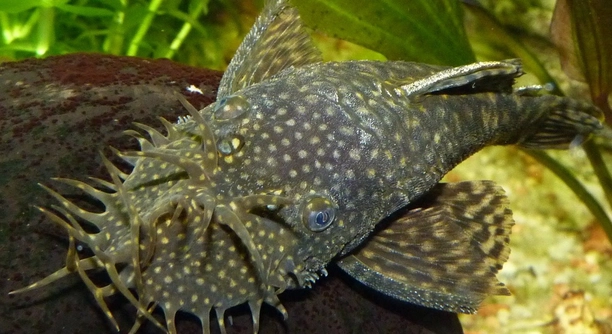
Is your Plecostomus not growing as expected? There are a few factors that could be preventing your fish from reaching its full potential. Understanding the causes can help you address the issue and promote healthy growth.
The most common reason for stunted growth in Plecostomus is poor water quality, lack of proper nutrition, or inadequate tank size. Stress from overcrowding, fluctuating water parameters, or an unbalanced diet can all hinder their growth.
By considering these factors and adjusting your care routine, you’ll be able to help your Plecostomus thrive. Keep reading to learn about the essential steps you can take to get your fish back on track.
Water Quality Matters
One of the most important factors in your Plecostomus’s growth is water quality. If your tank water is polluted or the pH levels are off, it can have a huge impact on your fish’s health and development. Poor water conditions lead to stress, which slows down growth. It’s crucial to regularly test and adjust the water to ensure it’s in the right range for your Plecostomus. Ammonia, nitrite, and nitrate levels should all be carefully monitored to avoid harm. Using a good filtration system and performing frequent water changes can help keep the tank clean and healthy for your fish.
Keeping your tank’s water clean and balanced is essential for a healthy Plecostomus. Regular water testing and proper filtration are key steps to take.
By maintaining ideal water conditions, you’ll create a stable environment for your Plecostomus to thrive. Make sure the water’s temperature, hardness, and pH levels stay within a comfortable range. Any changes or fluctuations in these can stress your fish, affecting their growth. A good water quality routine should include weekly water changes, using water conditioners when needed, and cleaning the filter regularly. Monitoring these factors will also help prevent diseases, which can further stunt growth.
Feeding Habits
What you feed your Plecostomus can directly influence its growth. If you’re offering a poor diet or feeding irregularly, your fish won’t get the nutrients it needs. A balanced diet, including algae wafers, vegetables, and occasional protein-rich foods, is essential for proper growth.
Overfeeding is another issue. Uneaten food can deteriorate the water quality, and excess food can lead to obesity, which also harms your Plecostomus’s health. Focus on feeding high-quality food in appropriate amounts to maintain growth.
A variety of foods helps ensure that your fish gets the necessary nutrients. Algae wafers are a staple, but they can also benefit from blanched vegetables, such as zucchini or cucumber, and occasional protein like shrimp or bloodworms. Providing a balanced diet not only helps their growth but also supports their overall well-being. Stick to a regular feeding schedule and remove uneaten food promptly to maintain water quality. Remember, a malnourished Plecostomus is unlikely to grow at a healthy rate. Always prioritize a mix of fiber, protein, and healthy fats to meet your fish’s dietary needs.
Tank Size
Your Plecostomus needs space to grow. A cramped tank limits its movement, which can cause stress and hinder growth. For most species, a 75-gallon tank is ideal, as it provides ample space for swimming and hiding. Smaller tanks are not only uncomfortable but can lead to stunted growth.
A tank that’s too small can create problems with water quality, as smaller volumes of water are harder to filter and maintain. This stresses the fish, impacting its overall health. Over time, the fish may become lethargic or display growth issues due to overcrowded conditions. It’s essential to provide a large enough environment to allow proper development.
Plecostomus grow best when they have plenty of room to swim and explore. If your tank is too small, their growth may slow down significantly. Larger tanks also provide more stable water conditions, which are crucial for long-term health. Make sure your tank is spacious enough for both your Plecostomus and any other tank mates to avoid any unnecessary stressors. When choosing a tank, consider not just the size but also the number of fish and filtration system you need.
Stress Factors
Stress is another major factor that affects your Plecostomus’s growth. Stress can come from many sources: poor water quality, overcrowding, aggressive tank mates, or inadequate hiding places. Stress weakens the immune system and can stunt growth over time.
A stressed Plecostomus will often exhibit unusual behaviors such as hiding more often or not eating as much. These signs of stress can be difficult to spot, but they are clear indicators that something is wrong. It’s crucial to address any factors causing stress to allow your fish to grow at its full potential.
One way to reduce stress is by ensuring your Plecostomus has enough places to hide, such as caves or driftwood. Hiding spots make the fish feel secure, reducing its overall anxiety. Additionally, ensure that your tank mates are peaceful, as aggressive fish can cause constant stress. Lastly, always keep the water temperature and chemistry stable, as fluctuations can also be a source of stress. A calm and safe environment allows your Plecostomus to grow naturally without any obstacles.
Genetics
Genetics play a significant role in the size your Plecostomus will reach. Some Plecos simply grow slower or smaller due to their genetic makeup. If you’ve bought your fish from a less reputable source, there’s a chance it might not have the genetic potential for larger growth.
Understanding the genetics of your Plecostomus can give you a clearer idea of what to expect. While good care can improve growth, some fish simply won’t grow as large as others. It’s important to manage your expectations and avoid blaming external factors if the fish is genetically predisposed to stay smaller.
If your Plecostomus doesn’t grow as expected despite all the right care, genetics could be the limiting factor. Knowing this allows you to better understand your fish’s growth potential and avoid unnecessary stress on both you and the fish. Sometimes, it’s just a matter of nature.
Temperature
The water temperature in your tank impacts your Plecostomus’s metabolism and overall growth. Too high or too low a temperature can lead to sluggishness or stunted growth.
Plecostomus thrive in temperatures between 74°F and 80°F. Keeping the water within this range promotes healthy digestion, which is essential for growth. Too cold, and their metabolism slows down; too hot, and they may become stressed.
Light Exposure
Light exposure also affects your Plecostomus’s health and growth. While they don’t require direct sunlight, they do need a consistent day-night cycle to stay healthy.
FAQ
Why is my Plecostomus not growing?
There are several reasons why your Plecostomus might not be growing as expected. It could be due to poor water quality, insufficient space, stress from tank mates, or inadequate nutrition. Ensuring a clean tank, proper filtration, and a balanced diet are key to encouraging growth. Additionally, if the tank is too small, it can restrict your fish’s movement, leading to slower development. Other factors like genetics also play a role, so some Plecos might naturally grow slower or remain smaller.
How long does it take for a Plecostomus to grow to full size?
Typically, it can take between 3 to 5 years for a Plecostomus to reach its full size, depending on the species and environmental factors. In optimal conditions with good water quality, proper nutrition, and ample space, your Pleco will grow steadily. However, growth rates may vary, and some may take longer to reach full maturity.
Can overfeeding affect Plecostomus growth?
Yes, overfeeding can definitely impact your Plecostomus’s growth. Feeding too much food can lead to poor water quality, which will stress your fish and reduce its growth rate. Uneaten food decays, raising ammonia levels in the tank, which harms the fish’s health. It’s important to feed your Pleco only what it can consume in a few hours and remove excess food promptly.
Does the size of the tank affect Plecostomus growth?
Absolutely. A tank that’s too small can stunt your Plecostomus’s growth. Plecos are active fish and require plenty of space to swim and explore. A cramped environment leads to stress, which can reduce growth. A larger tank not only allows for better movement but also supports healthier water conditions. A minimum of 75 gallons is recommended for most Plecos.
Can I put multiple Plecostomus in the same tank?
While it is possible to have multiple Plecostomus in a tank, it’s essential to ensure the tank is large enough to support them. Plecos are solitary fish by nature and can become territorial, especially when they feel crowded. Overcrowding leads to stress, and this can slow down growth. Be sure to provide hiding spots to reduce aggression.
How often should I change the water for my Plecostomus?
Water changes are vital to maintaining a healthy environment for your Plecostomus. For best results, aim to change 20-30% of the water every week. Regular water changes help maintain optimal water quality by removing excess waste and replenishing essential minerals. Don’t forget to test the water before each change to ensure the conditions remain stable.
What is the best food for a Plecostomus?
The best diet for a Plecostomus includes a variety of foods such as algae wafers, vegetables (like zucchini or cucumber), and occasional protein-rich foods like shrimp or bloodworms. It’s important to provide a balanced diet, as Plecos are primarily herbivores but will occasionally eat protein. A mix of plant-based and protein-rich foods supports healthy growth.
Can the water temperature affect my Plecostomus’s growth?
Yes, water temperature plays a significant role in your Plecostomus’s metabolism and growth rate. Plecos thrive in temperatures between 74°F and 80°F. If the water is too cold, their metabolism slows down, leading to stunted growth. If the temperature is too hot, it may stress the fish, also negatively impacting growth. Consistent temperatures are key.
How do I know if my Plecostomus is stressed?
Signs of stress in a Plecostomus include hiding more than usual, loss of appetite, or erratic swimming. You may also notice the fish rubbing against objects or being more aggressive toward other tank mates. Stress can be caused by poor water quality, overcrowding, incompatible tank mates, or fluctuations in temperature. Addressing these factors can help reduce stress and promote healthy growth.
Can my Plecostomus grow if the water quality is poor?
Poor water quality is one of the main reasons for slow or stunted growth. If the water parameters are off—such as high ammonia, nitrites, or nitrates—your Plecostomus will be under stress, affecting its growth. Regular water testing and maintenance are crucial. Proper filtration and water changes will help keep the water clean and healthy for your fish.
Is it possible for a Plecostomus to grow in a tank smaller than 75 gallons?
While it’s technically possible for a Plecostomus to survive in a tank smaller than 75 gallons, it is not ideal for healthy growth. Smaller tanks limit the fish’s space to swim and explore, causing stress and stunting growth. A larger tank provides more stable water conditions and room for your Pleco to thrive, making it a much better option for long-term health.
How can I improve the growth rate of my Plecostomus?
To improve the growth rate of your Plecostomus, focus on maintaining excellent water quality, providing a balanced and varied diet, and ensuring the tank is large enough for the fish to swim freely. Regular water changes, proper filtration, and monitoring temperature will also help. Avoid overfeeding and keep stress factors to a minimum by ensuring tank mates are compatible and offering plenty of hiding places.
Will my Plecostomus grow faster if I give it more food?
More food does not equate to faster growth. Overfeeding can lead to poor water quality, which stresses your Plecostomus and hinders its growth. It’s better to feed your fish appropriately—offering small amounts that it can eat within a few hours—and removing any leftover food to maintain water quality. Proper nutrition is key, but overfeeding can do more harm than good.
How do I tell if my Plecostomus is healthy?
A healthy Plecostomus will have smooth, undamaged skin, clear eyes, and will be active, especially at night. It will swim and forage for food, and its fins should be fully extended without any signs of injury. Healthy Plecos also have a good appetite and are alert to their surroundings.
Final Thoughts
Understanding why your Plecostomus isn’t growing as expected can be frustrating, but it’s important to remember that several factors can influence its growth. Water quality, tank size, diet, and stress all play significant roles in how well your fish develops. Keeping the water clean and stable is essential for your Plecostomus’s overall health. Regular water changes and proper filtration will ensure your fish stays in the best environment possible. Additionally, providing enough space for your fish to swim freely will help reduce stress and encourage healthy growth. Stress from overcrowding or incompatible tank mates can limit your fish’s potential, so it’s essential to consider their needs when setting up the tank.
Feeding your Plecostomus the right food is another key aspect of promoting healthy growth. A varied diet that includes algae wafers, vegetables, and occasional protein will help your fish get the nutrients it needs. Overfeeding can lead to water pollution and obesity, both of which can harm your fish. By providing the right amount of food and maintaining good water quality, you can support your Plecostomus’s growth and long-term well-being. Don’t forget that your fish’s environment should offer hiding spots to make it feel secure and reduce stress.
Lastly, be patient and realistic about the growth process. Plecostomus are slow growers, and it can take several years for them to reach their full size. Genetics also play a part, and some fish may not grow as large as others, even with perfect care. While it’s important to provide the best conditions possible, understanding the limitations of your Plecostomus will help manage expectations. If you follow the right care practices, your Plecostomus will grow at its own pace and live a healthy, fulfilling life in your tank.

Hello,
If you enjoy the content that we create, please consider saying a "Thank You!" by leaving a tip.
Every little bit helps us continue crafting quality advice that supports the health, happiness, and well-being of pets around the world, for pets of all shapes, sizes, and species.
We really appreciate the kindness and support that you show us!