
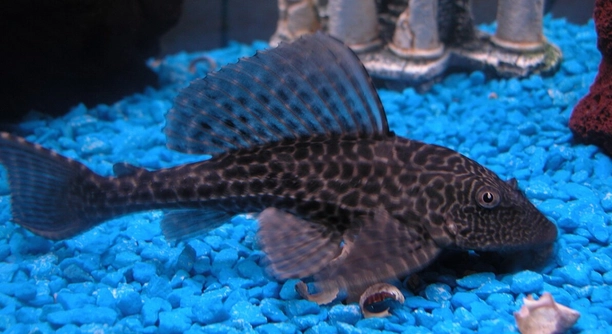
Many fish owners notice that their plecostomus isn’t eating, leaving them confused and worried. Understanding the reasons behind this behavior can help restore your fish’s appetite and improve its overall well-being.
The main reasons a plecostomus may avoid food include stress, illness, water quality issues, and inadequate diet. Environmental factors, such as temperature fluctuations or tank mates, can also affect their eating habits.
Addressing these issues may help your pleco regain its appetite. Learning the signs and causes will guide you to better care for your fish.
Stress from Tank Mates
A plecostomus is a peaceful fish but can be stressed by aggressive tank mates. If you have other fish that are overly territorial or dominant, your pleco may feel threatened and choose not to eat. This stress can lead to reduced appetite and even long-term health problems. If the tank is overcrowded, there may not be enough space for your pleco to feel safe.
The stress your pleco feels can also be worsened by rapid movements or loud noises. In their natural environment, they enjoy calm surroundings.
To reduce stress, consider rearranging the tank or adding more hiding spots. Adding plants, caves, or driftwood can give your pleco a sense of security. Also, assess your other fish to make sure they aren’t too aggressive. A peaceful, balanced tank environment will encourage your pleco to eat and thrive.
Water Quality Issues
Your plecostomus may avoid food if the water quality is poor. Dirty water or unbalanced conditions can harm their health.
Ensure your tank has proper filtration, and test the water regularly to keep it clean and at the right pH level. Healthy water promotes a healthy appetite.
Illness or Injury
If your pleco is unwell or injured, it may stop eating. Symptoms like bloating, swimming oddly, or hiding are signs of a problem. If you notice any of these, it’s important to investigate further.
Fish illnesses can stem from bacterial or fungal infections. These conditions often affect a pleco’s appetite. The injury can be physical, such as a fin or scale injury from sharp objects in the tank. These injuries may cause discomfort, leading to a lack of interest in food.
Monitor your pleco closely. If symptoms persist, consider isolating the sick fish in a quarantine tank. Seek advice from a vet or aquatic expert to ensure proper care and treatment. Taking swift action can help prevent more severe health issues.
Inadequate Diet
A plecostomus may refuse food if it’s not getting the right nutrition. They need a variety of foods to stay healthy, including algae wafers, vegetables, and sometimes meaty options like shrimp.
A single type of food may not meet their nutritional needs. Without a balanced diet, your pleco might lose interest in eating. To address this, offer a variety of food, including fresh zucchini, cucumber, or blanched spinach. They enjoy grazing, so providing these options encourages natural foraging behavior.
Regularly changing their diet will also prevent them from becoming bored. Make sure to remove any uneaten food promptly to avoid water contamination. If your pleco seems disinterested in food despite a varied diet, it could indicate an underlying health issue.
Poor Water Temperature
Your pleco’s appetite may decrease if the water temperature is too low or fluctuates too much. They thrive in warm water between 75°F and 80°F.
Water that’s too cold can slow down their metabolism, making them less active and less interested in food. Ensure that the heater is functioning properly and that the water temperature remains consistent.
If you’re unsure, invest in an aquarium thermometer to monitor the temperature regularly. Maintaining a stable, warm environment will encourage your pleco to eat and stay healthy.
Overfeeding
Overfeeding your pleco may lead to the opposite problem: a lack of appetite. Excess food can cause water quality issues, leading to a stressed pleco.
If your pleco isn’t finishing its food, try feeding smaller amounts. Keep an eye on what’s left after meals and adjust the portions accordingly. This helps maintain the balance of nutrients and keeps the water clean. Too much food left in the tank can decay, affecting water quality and causing further stress.
Environmental Changes
Changes in the tank environment can also cause a plecostomus to stop eating. New decorations, tank mates, or even a sudden change in lighting can lead to stress.
Fish are creatures of habit and can be sensitive to alterations in their surroundings. If you’ve recently rearranged the tank, your pleco might need time to adjust.
FAQ
Why is my pleco hiding all the time?
Hiding can be a natural behavior for a plecostomus, especially during the daytime or in a new environment. However, if your pleco is constantly hiding and not eating, it could be a sign of stress or illness. Stress may stem from aggressive tank mates, poor water quality, or environmental changes. If this behavior persists, check for any issues in the tank, like water temperature or aggressive fish. Ensure there are enough hiding spots or plants for your pleco to feel secure. If there’s no improvement, monitor for any signs of illness and consider consulting an expert.
How do I know if my pleco is sick?
If your pleco refuses food, is swimming erratically, or shows visible signs like swollen areas or unusual spots, it may be sick. Other signs to look for include heavy breathing, lesions, or changes in behavior such as excessive hiding. Sick plecos may also develop a faded color. If you notice these symptoms, it’s best to isolate your pleco in a quarantine tank and seek guidance from an aquatic veterinarian or expert. Early intervention can help your fish recover faster and prevent further spread of any possible infection.
Can I feed my pleco only algae wafers?
While algae wafers are an essential part of a pleco’s diet, feeding only one type of food can lead to nutritional deficiencies. Plecos require a varied diet that includes fresh vegetables like zucchini, cucumber, and spinach, along with algae-based foods. A well-rounded diet supports your pleco’s health and ensures they get all the nutrients they need. Offering a variety of foods also helps prevent boredom and encourages foraging behavior, which is essential for their mental and physical well-being.
What should I do if my pleco isn’t eating for days?
If your pleco hasn’t eaten for several days, it’s important to first assess the water quality and temperature. Poor water conditions are often the main cause of a fish refusing food. Check the pH level, ammonia, and nitrate levels to make sure the environment is healthy. You should also check for signs of illness or stress and evaluate their tank mates. If the pleco is still not eating after improving the tank conditions, isolate it in a separate tank to rule out stress factors and consult an aquatic vet for further advice.
How often should I feed my pleco?
Plecostomus are bottom dwellers and are often nocturnal, so it’s important to feed them in the evening when they are most active. Typically, you should feed your pleco once or twice a day, offering small amounts of food that can be consumed within a few hours. Avoid overfeeding, as leftover food can pollute the water. If you have other tank mates, it’s a good idea to monitor the food levels to ensure that your pleco gets enough without excess food accumulating in the tank. Adjust the feeding amount based on your pleco’s appetite and tank conditions.
Why is my pleco not eating algae in the tank?
If your pleco is not eating algae, it may be due to a few different factors. First, there might not be enough algae growth in the tank, or the pleco may prefer other types of food. In this case, try offering a variety of foods like algae wafers, vegetables, or even dried seaweed. Another possibility is that the tank has been treated with chemicals or algae killers, which can affect a pleco’s desire to eat algae. Ensure that the water conditions are stable and that the pleco has a balanced diet to maintain good health.
Can my pleco eat too much?
Yes, overfeeding can harm your pleco and the tank’s ecosystem. Plecos are bottom feeders, and while they can handle large meals, excess food that isn’t eaten can pollute the water, leading to poor water quality and health problems. Overfeeding can also lead to obesity, which can impact their metabolism. Always remove any uneaten food within a few hours of feeding to prevent it from decaying in the tank. Stick to a feeding schedule, offering only as much food as your pleco can eat in one sitting.
What temperature should I keep my pleco tank at?
The ideal water temperature for a pleco is between 75°F and 80°F. If the water is too cold, it can slow their metabolism and make them less active, which could affect their appetite. Too hot of a tank can also be stressful and harm the fish. Using an aquarium heater to regulate the temperature will help keep it consistent. Additionally, make sure the heater doesn’t fluctuate too much, as temperature changes can stress your pleco and cause it to stop eating.
Is my pleco stressed by tank mates?
Yes, aggressive or dominant tank mates can stress your pleco, causing it to hide and avoid eating. Plecos are peaceful fish and prefer a calm environment. If your pleco is constantly being chased or harassed, it may stop eating. Consider adding more hiding places or rearranging the tank to create a safer space for your pleco. If possible, introduce more peaceful tank mates that won’t stress your pleco. Always observe interactions to ensure that your pleco feels safe and secure in its environment.
Final Thoughts
Understanding why your plecostomus isn’t eating can be a bit challenging, but it’s important to address the issue as soon as possible to ensure your fish’s health. There are a variety of factors that can lead to a lack of appetite, from water quality issues to stress caused by tank mates or environmental changes. Once you identify the root cause, you can make the necessary adjustments to create a better living environment for your pleco. Paying attention to these small details will not only help your fish feel more comfortable but also help prevent further health issues.
A big part of solving eating problems with your plecostomus is ensuring that its tank is in good condition. This means keeping the water clean, maintaining a consistent temperature, and checking the pH and ammonia levels regularly. A stable environment is key to a healthy pleco. Also, remember that plecos are bottom feeders and often prefer to eat at night or in the evening, so make sure you’re offering food during their active hours. Variety is also essential in their diet, so provide a mix of algae-based foods, vegetables, and occasional proteins. This balance will help keep your pleco satisfied and healthy.
Lastly, always keep an eye on your plecostomus for signs of illness or stress. If your pleco isn’t eating despite having a healthy tank and varied diet, it could be an indication of a larger problem. Seek advice from an expert or veterinarian if needed. Quick action can prevent minor issues from becoming bigger health concerns. By paying attention to your pleco’s environment and diet, you can ensure that it remains healthy, happy, and active for years to come.

Hello,
If you enjoy the content that we create, please consider saying a "Thank You!" by leaving a tip.
Every little bit helps us continue crafting quality advice that supports the health, happiness, and well-being of pets around the world, for pets of all shapes, sizes, and species.
We really appreciate the kindness and support that you show us!