
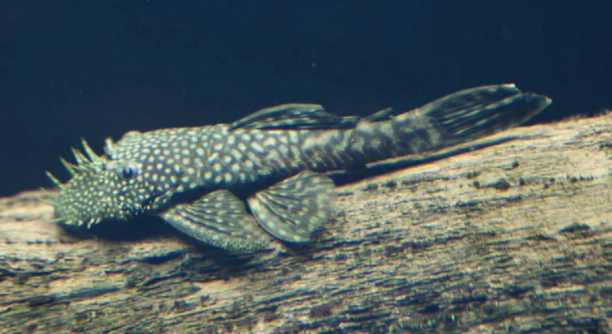
Plecos are a popular choice for aquarium enthusiasts, known for their unique look and helpful algae-eating habits. However, if you notice your pleco’s color fading, it may signal an underlying issue. Let’s explore what might be happening.
Color fading in plecos can be caused by several factors, including poor water quality, improper diet, stress, or environmental changes. These elements can weaken your pleco’s natural coloring and may even lead to health issues if not addressed.
Understanding the reasons behind color fading can help you maintain a healthy and vibrant pleco. There are steps you can take to improve your fish’s environment, ensuring that they stay colorful and happy.
Poor Water Quality
The water quality in your aquarium plays a huge role in your pleco’s health. If the water contains high levels of ammonia, nitrates, or nitrites, it can cause stress and weaken your fish’s colors. Poor filtration or infrequent water changes are often the main contributors to these harmful substances. Inadequate water conditions can lead to disease, lethargy, and color loss.
A simple way to test your aquarium water is by using test kits, which measure the levels of ammonia, nitrites, and nitrates. Regular water changes and proper filtration can help maintain a stable environment for your pleco.
To improve water quality, aim for weekly water changes of 25% to 30%. Use a good quality filter that matches the size of your tank and be sure to clean it regularly. Adding live plants can also help improve water quality by absorbing excess nutrients. Keeping the water parameters stable not only helps prevent fading colors but also boosts your pleco’s overall well-being. Proper water care is essential to the vibrancy of your pleco’s skin and long-term health.
Improper Diet
A pleco’s diet should be balanced and rich in nutrients to keep its colors vibrant. If it is not receiving the right food, its color may begin to fade.
A pleco’s natural diet includes algae, plant matter, and sometimes small invertebrates. Providing them with high-quality sinking pellets, algae wafers, and blanched vegetables will ensure they get the right nutrients. Avoid overfeeding, as this can lead to water quality issues and poor digestion. Offering a variety of foods will help maintain their energy levels and bright colors.
Stress
Stress is a common reason for color fading in plecos. Factors like overcrowding, sudden changes in water conditions, or aggressive tank mates can cause stress. This affects their overall health, making their colors less vibrant.
Keeping a stable, peaceful tank environment is key to reducing stress. Avoid introducing new fish too quickly or making drastic changes to the water. Plecos are shy and prefer hiding spots, so adding caves or driftwood helps them feel secure. Maintaining a calm, balanced environment will prevent stress and promote vibrant colors.
A stressed pleco may also refuse food, leading to poor nutrition. This further impacts its coloration. If you notice your pleco hiding more often or swimming erratically, it’s important to assess the tank setup. Create a calm space with proper hiding spots, adjust water parameters, and make sure there’s no aggression from other fish. Taking these steps will reduce stress and help your pleco regain its color.
Illness
Illness can cause fading colors in plecos. Diseases like internal parasites or fungal infections affect their health and appearance. If your pleco shows signs of reduced activity, lesions, or abnormal behavior, it may be sick.
To treat your pleco, you should first identify the symptoms of illness. Look for discoloration, lesions, or irregular swimming patterns. Isolate the infected fish in a quarantine tank to prevent the spread of disease. Consult with a veterinarian or use medicated treatment to address the illness quickly. Monitoring the tank’s water quality is also crucial to ensure the fish recover.
Offering a varied diet with added vitamins can boost your pleco’s immune system. A stronger immune system can help fight off illness and recover faster. Regularly check your pleco’s behavior and appearance to spot issues early. Keeping a close eye on them will ensure you catch health problems before they affect their coloration.
Lighting
Inadequate or excessive lighting can affect your pleco’s color. If the tank is too bright, your pleco may become stressed, causing its colors to fade. On the other hand, too little light can lead to poor health and reduced coloration.
The ideal lighting for a pleco is moderate, mimicking natural day and night cycles. Too much direct light can make the pleco uncomfortable and disrupt its natural rhythm. Make sure the aquarium is well-lit for around 10 to 12 hours a day, with periods of darkness to allow your pleco to rest.
Adjusting the light intensity and duration will help create a healthier environment for your pleco. Keep the tank away from direct sunlight to prevent overheating. Choose a light that doesn’t overexpose the tank but still provides enough brightness for the pleco to thrive. Consistent light can help improve the color and health of your pleco.
Tank Size
A small or overcrowded tank can lead to faded pleco colors. If your pleco feels cramped, it may become stressed, leading to color loss. Ensure the tank size matches the pleco’s needs to avoid this issue.
Plecos grow large and need enough space to swim and hide. A tank that is at least 75 gallons is ideal for a single pleco, with more space needed for additional fish. Providing ample room helps your pleco feel safe, which is essential for maintaining its vibrant colors. A larger tank will also support better water quality and oxygen levels, leading to a healthier fish.
Temperature Fluctuations
Temperature changes in the tank can contribute to fading pleco colors. Plecos are sensitive to temperature shifts, and rapid changes can cause stress, leading to health issues. Keeping the water temperature stable is key to your pleco’s well-being.
Use a reliable heater to maintain a consistent water temperature between 72°F and 78°F. Avoid placing the tank in a location where temperature fluctuations are common, such as near windows or vents. A stable, warm environment will help prevent stress and keep your pleco’s color looking its best.
FAQ
Why is my pleco losing its color?
There are several reasons why your pleco may be losing its color, including poor water quality, improper diet, stress, illness, and environmental factors like lighting or temperature fluctuations. It’s important to assess these factors and make changes where needed.
How can I improve my pleco’s diet?
To improve your pleco’s diet, provide a variety of high-quality foods such as algae wafers, sinking pellets, and blanched vegetables like zucchini or spinach. Plecos also enjoy eating live or frozen foods like bloodworms and brine shrimp. Make sure the food is appropriate for your pleco’s size and age, and avoid overfeeding to prevent water quality issues. A balanced diet will help maintain vibrant coloring and overall health.
How often should I change the water in my pleco’s tank?
Regular water changes are vital for maintaining a healthy environment. You should change about 25% to 30% of the water every week. This helps remove excess waste, improve oxygen levels, and maintain stable water parameters. Be sure to use a water conditioner to neutralize chlorine and other harmful chemicals from tap water.
Can lighting affect my pleco’s color?
Yes, lighting can affect your pleco’s color. Too much direct light can stress your pleco and lead to fading, while insufficient light can hinder their health and color. Aim for moderate lighting in the aquarium, with a day/night cycle of 10 to 12 hours of light. Avoid placing the tank in direct sunlight or areas where the light fluctuates drastically.
What water temperature is best for a pleco?
Plecos thrive in water temperatures between 72°F and 78°F (22°C to 26°C). Keeping the temperature stable is essential for their health and coloration. Use a reliable heater to maintain the temperature and avoid placing the tank in areas where it may experience drastic temperature changes. Too hot or too cold water can cause stress and impact their colors.
Can stress cause color fading in plecos?
Yes, stress is a major factor in color fading. Plecos are sensitive to changes in their environment, such as overcrowding, aggressive tank mates, or poor water quality. Stress can also cause them to hide more, eat less, and become more prone to illness. By ensuring a peaceful environment, you can reduce stress and help maintain vibrant colors.
How do I know if my pleco is sick?
Signs of illness in plecos include faded colors, abnormal swimming behavior, lack of appetite, lethargy, and visible lesions or sores on their body. If you notice these symptoms, it’s important to isolate the sick pleco and monitor its behavior closely. Seek advice from a veterinarian or fish expert to determine the cause and appropriate treatment.
What should I do if my pleco’s colors continue to fade despite my efforts?
If your pleco’s colors are still fading after addressing the common issues such as water quality, diet, and stress, it may be worth consulting a veterinarian who specializes in aquatic life. They can provide specific treatments for any hidden health problems or diseases that might be affecting your pleco. Regularly check water parameters and consider adjusting the tank environment as needed.
Can plecos change color naturally?
Yes, plecos can change color naturally as they grow. Juvenile plecos may have brighter or lighter colors, which darken or intensify as they mature. However, if your pleco’s color begins to fade and doesn’t improve over time, it could be an indication of an underlying problem, such as illness, stress, or poor water conditions.
Is my pleco’s color fading a sign of old age?
As plecos age, their colors may naturally become less vibrant. However, if your pleco is still relatively young and experiencing color fading, it’s more likely due to environmental factors like poor water quality, diet issues, or stress. Keep an eye on your pleco’s behavior and appearance to ensure it’s not a sign of an underlying health problem.
Can I prevent my pleco’s color from fading?
While some factors are beyond your control, such as natural aging, you can prevent color fading by maintaining a clean, stable environment. Regular water changes, proper diet, and ensuring the tank is appropriately lit and sized will help keep your pleco healthy and vibrant. Minimizing stress and avoiding sudden changes in their environment are also crucial steps in maintaining your pleco’s color.
How can I improve my pleco’s environment?
To improve your pleco’s environment, ensure the tank is large enough for them to swim freely. A minimum of 75 gallons is recommended for an adult pleco. Provide hiding spots using caves or driftwood to make them feel secure. Keep the water quality in check with regular changes and a good filtration system, and ensure proper temperature and lighting conditions. A stable, well-maintained environment is key to keeping your pleco healthy and colorful.
Why is my pleco staying hidden all the time?
Plecos are nocturnal and tend to hide during the day. However, if your pleco is hiding excessively, it may be stressed, unwell, or uncomfortable with the tank environment. Check the water quality, ensure there are no aggressive tank mates, and provide plenty of hiding spots to reduce stress. If the hiding persists, consider consulting a fish expert for further advice.
Final Thoughts
Maintaining a healthy, vibrant pleco requires attention to several important factors, such as water quality, diet, and the overall environment. When you notice your pleco’s color fading, it could be a sign that something in its habitat needs adjusting. Regularly checking water parameters like ammonia, nitrites, and nitrates is essential for the well-being of your pleco. Poor water quality is often the main culprit behind fading colors, and making sure your pleco’s tank has proper filtration and regular water changes can help prevent this. You should also provide a balanced diet with high-quality foods to ensure your pleco is getting the necessary nutrients for healthy coloring.
Aside from water quality and diet, stress is another major factor that can affect your pleco’s color. Creating a peaceful tank environment is crucial. Avoid overcrowding and ensure that your pleco has enough space to swim freely. Plecos are shy fish, so it’s important to provide hiding spots like caves or driftwood. By reducing stress, you create an environment where your pleco can thrive, maintaining its natural beauty. It’s also a good idea to watch for any aggressive tank mates that could be causing anxiety. This allows your pleco to feel safe and less likely to lose its color.
Lastly, understanding that external factors like lighting and temperature can impact your pleco’s appearance is important. Keeping the lighting moderate and ensuring a stable temperature range between 72°F and 78°F will help prevent color fading caused by environmental stressors. When you maintain consistent water conditions, offer a variety of foods, and monitor for any signs of stress or illness, your pleco should be able to retain its natural colors. If you follow these steps, your pleco will be much more likely to remain vibrant and healthy in the long run.

Hello,
If you enjoy the content that we create, please consider saying a "Thank You!" by leaving a tip.
Every little bit helps us continue crafting quality advice that supports the health, happiness, and well-being of pets around the world, for pets of all shapes, sizes, and species.
We really appreciate the kindness and support that you show us!