
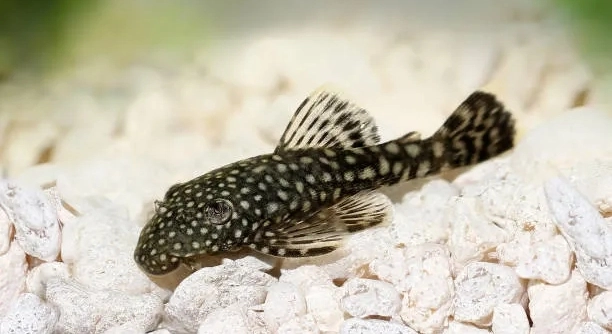
It can be frustrating when your pleco hides all the time, making it difficult to enjoy watching them swim. This behavior often leaves aquarium owners wondering why their pleco seems to be more reclusive than expected.
The most common reasons your pleco won’t come out of hiding include stress, improper tank conditions, and lack of food. These factors contribute to the pleco’s instinct to stay hidden for safety and comfort. Identifying the cause can resolve this behavior.
Understanding these factors can help you create a better environment for your pleco and improve its overall well-being, ensuring that your aquarium experience is more enjoyable.
Stress and Anxiety
Stress is one of the primary reasons why plecos hide. Changes in their environment, like new tank mates, loud noises, or sudden water parameter shifts, can cause them to retreat into hiding. Plecos are naturally shy and secretive creatures, and any unfamiliar situation can trigger their stress response. If a pleco feels threatened, it will stay hidden to avoid being seen or disturbed.
Plecos may also hide if they are not given enough space. A cramped tank can create a sense of vulnerability, prompting them to seek cover. Ensuring your tank is large enough for your pleco to swim freely can reduce anxiety and encourage more natural behavior.
To help your pleco feel more secure, ensure the tank setup provides hiding spots but also ample open areas for swimming. You might also want to avoid sudden changes in the tank that could increase its stress levels. Keeping the tank environment stable and predictable allows your pleco to feel comfortable and more likely to emerge from hiding.
Tank Conditions
Tank conditions play a huge role in a pleco’s comfort. Water temperature, pH levels, and the presence of pollutants can all affect their willingness to come out. If the water is too warm, too cold, or unclean, your pleco might stay hidden. Make sure you test your tank water regularly to maintain the proper conditions for your fish.
A pleco needs clean, well-maintained water to thrive. If water quality is poor, plecos often retreat to avoid discomfort. Regular water changes and the use of a good filtration system help maintain ideal conditions, reducing stress and encouraging your pleco to feel safe.
Keeping the water clean and within the correct temperature range is vital for your pleco’s health. Consider using a water heater for temperature stability and an efficient filter to keep toxins at bay. A healthy environment will not only improve your pleco’s behavior but also its long-term well-being.
Lack of Food
Plecos are nocturnal and can be elusive when it comes to feeding time. If your pleco isn’t getting enough food, it might spend more time hiding to conserve energy. They are bottom dwellers, so food may be overlooked or not fall into their reach.
Make sure your pleco has access to sinking pellets, algae wafers, and occasional fresh vegetables. If food is scarce or not available at the right times, your pleco may stay hidden to avoid competition with other fish for food. Ensure the tank is stocked with enough food for all residents, especially for bottom feeders like plecos.
Feeding your pleco at night is often the best way to ensure it gets its share. As bottom feeders, plecos prefer to forage for food in a quieter, darker environment. You may want to avoid overfeeding the tank, as excess food can quickly affect water quality, creating additional stress for your pleco.
Poor Water Quality
Poor water quality can have a significant impact on your pleco’s behavior. If the water contains high levels of ammonia or nitrate, your pleco will likely retreat to hidden areas. These toxins irritate fish and make them feel unsafe.
Plecos, like many other fish, are sensitive to the water they live in. Even slight changes in water chemistry can cause stress, prompting them to hide. To prevent this, test the water regularly and maintain optimal water parameters. Clean filters and frequent water changes will help keep the tank conditions stable.
A pleco will not only hide to avoid discomfort but can also suffer from long-term health issues if water quality isn’t maintained. By keeping your tank clean and well-maintained, you ensure that your pleco feels secure and can thrive in its environment.
Tank Mates
Aggressive tank mates can cause your pleco to hide. If there are fish that harass or bully your pleco, it may retreat to avoid conflict. Plecos prefer peaceful environments and might not come out if they feel threatened by other species.
When adding tank mates, be mindful of each fish’s temperament. Avoid keeping your pleco with aggressive species that could stress it out. Peaceful fish or those with similar temperaments tend to work better with plecos, allowing them to feel safe and less likely to hide.
Give your pleco a chance to establish its territory by including plenty of hiding spaces in the tank. This will give it the opportunity to escape stress when needed, helping it feel secure. Plecos thrive in environments with calm, non-aggressive fish.
Overcrowded Tank
An overcrowded tank can make your pleco feel cramped and stressed. When too many fish share a small space, plecos might hide more to avoid constant interactions with other fish.
Having enough space for each fish to swim freely reduces stress. Overcrowding causes competition for resources, such as food and space, leading to a more anxious environment. It’s important to know the size of your tank and the needs of each species in it to prevent overcrowding.
A larger tank with fewer fish or more hiding spaces allows your pleco to live comfortably and feel secure. This reduces stress and makes your pleco more likely to come out from hiding.
Feeding Schedule
Plecos are nocturnal and prefer to feed at night. If their feeding schedule doesn’t align with the tank’s activity, they may stay hidden until feeding time. This feeding habit might explain why your pleco isn’t as visible during the day.
To meet your pleco’s needs, try feeding it at night when it is more active. Sinking pellets and vegetables can be placed on the substrate, giving your pleco time to eat in peace. Make sure food is available at the right time to avoid competition with other fish for resources.
By adjusting the feeding schedule to suit your pleco’s natural habits, you ensure that it gets the right amount of food. This simple change can help your pleco feel comfortable enough to come out of hiding more often.
FAQ
Why is my pleco hiding all the time?
Hiding is a natural behavior for plecos, especially when they are stressed or feel unsafe. Poor water conditions, sudden changes in the environment, or the presence of aggressive tank mates can cause your pleco to seek shelter. Lack of food or overcrowding in the tank can also lead to hiding. It’s essential to check for these factors and ensure the tank is a peaceful, stable environment for your pleco to feel comfortable.
How can I get my pleco to come out of hiding more often?
To encourage your pleco to come out, focus on improving its environment. Ensure the water quality is excellent, with proper filtration and regular water changes. Keep the tank temperature stable and avoid sudden changes. Also, provide plenty of hiding spots, but ensure there’s enough open space for swimming. Consider adjusting the feeding schedule to match your pleco’s nocturnal habits.
Can plecos be kept with other fish?
Yes, plecos can be kept with other fish, but the tank mates need to be peaceful. Aggressive or territorial fish might stress out the pleco, causing it to hide more often. Fish like tetras, peaceful barbs, or other bottom dwellers can be good companions. Avoid overly aggressive species that could bully or harm your pleco.
Are plecos sensitive to water quality?
Plecos are sensitive to water quality. Poor water conditions can lead to stress, causing them to hide. Make sure the water is clean and the parameters, such as pH, temperature, and ammonia levels, are stable. Regular water changes and proper filtration are necessary to maintain a healthy environment for your pleco.
Do plecos need a lot of space to thrive?
Plecos do need a considerable amount of space to feel comfortable. Overcrowding can stress them out and cause them to hide more. A larger tank provides more room for swimming and territorial behavior, allowing your pleco to be less anxious. Generally, a tank size of at least 30 gallons is recommended for adult plecos.
Why is my pleco not eating?
If your pleco isn’t eating, it could be due to stress, water quality issues, or insufficient food sources. Plecos are nocturnal and may not eat during the day if the tank is too active. Ensure you are offering appropriate foods such as sinking pellets, algae wafers, and fresh vegetables. Also, check that the water quality is ideal for their health.
How often should I feed my pleco?
Plecos should be fed once a day, preferably at night when they are more active. They are bottom feeders, so sinking food like pellets and wafers works well. You can also provide occasional fresh vegetables like zucchini or spinach. Avoid overfeeding, as this can lead to water quality issues and stress.
Can plecos live in a tank without plants?
While plecos don’t necessarily need live plants, having plants in the tank can create a more natural environment for them. Plants provide hiding spots and improve the overall tank conditions by helping with water quality. However, plecos do fine in tanks without plants as long as they have other forms of shelter.
Do plecos prefer clean or dirty water?
Plecos prefer clean water. Dirty water with high levels of ammonia or nitrates can cause stress and lead to hiding. Regular water changes, good filtration, and proper maintenance are essential for plecos to stay healthy and comfortable. Clean water helps them thrive and prevents behavior issues like hiding.
How can I tell if my pleco is stressed?
A stressed pleco will often hide more than usual, stop eating, or appear lethargic. If the water quality is poor, you might see signs of physical illness such as discoloration, lesions, or abnormal swimming patterns. It’s essential to address stress factors quickly, such as adjusting the tank environment, cleaning the water, or removing aggressive tank mates.
Can I keep more than one pleco in the same tank?
It depends on the species and tank size. Some plecos are territorial, especially larger species, and may not tolerate another pleco in the same tank. If you plan to keep more than one pleco, ensure the tank is large enough to provide adequate space. Monitor them closely for signs of aggression, and make sure each pleco has its own hiding space.
What should I do if my pleco has visible damage or wounds?
If your pleco has visible damage or wounds, it’s important to assess the cause. It could be from aggressive tank mates or poor water quality. First, improve the tank’s conditions by performing a water change and ensuring there is no bullying. You may need to isolate the pleco in a hospital tank for treatment if the injury is severe.
Can plecos eat algae in the tank?
Yes, plecos are natural algae eaters, and they help keep your tank clean by grazing on algae. However, they should not rely solely on algae for their diet. It’s essential to provide them with supplemental food such as sinking pellets and fresh vegetables to ensure they get all the necessary nutrients.
Why is my pleco not growing?
If your pleco isn’t growing, it could be due to poor water quality, insufficient food, or overcrowding in the tank. Plecos need space to grow properly, and a lack of food can stunt their growth. Make sure they have enough food, a clean environment, and adequate space to thrive.
Are plecos easy to care for?
Plecos are relatively easy to care for as long as you provide them with the proper tank conditions. They are hardy and can tolerate a range of water parameters, but they need clean water, appropriate food, and enough space. Regular tank maintenance and monitoring are necessary to keep them healthy.
Can plecos live with bettas?
Plecos can live with bettas as long as the betta is not overly aggressive. Betta fish can sometimes be territorial, especially with other bottom dwellers, so it’s important to monitor their interactions. Plecos are peaceful and spend most of their time on the bottom, which helps avoid conflicts with bettas.
Do plecos need a filter?
Yes, plecos require a filter to keep the water clean and oxygenated. Since plecos produce waste, proper filtration helps maintain water quality and reduces harmful toxins. A good filter will also help prevent the tank from becoming too dirty, which could stress out your pleco and cause it to hide more.
How can I tell if my pleco is sick?
Signs that your pleco may be sick include abnormal swimming behavior, changes in color, loss of appetite, or visible lesions on the skin. If you notice these symptoms, check the water quality and isolate your pleco if necessary. If symptoms persist, consult a veterinarian for diagnosis and treatment.
Final Thoughts
Understanding why your pleco hides and how to address it is essential for maintaining a healthy and happy aquarium. Plecos are generally peaceful, nocturnal creatures that may spend a lot of time in hiding, especially if they feel stressed or unsafe. Factors like water quality, tank mates, and available space can all contribute to your pleco’s tendency to seek shelter. By improving the environment and ensuring that the conditions are optimal, you can help your pleco feel more comfortable and less inclined to hide.
Creating a stress-free environment is key. Ensure the water is clean and stable, with proper filtration and regular water changes. Keep the temperature consistent, and avoid any sudden changes that could cause stress. The tank should also offer plenty of hiding spots, as plecos like to retreat when they feel threatened. However, it’s important to balance hiding places with open spaces, allowing them to explore and interact with their environment when they feel safe. Proper feeding habits, such as providing sinking food at night, can also encourage your pleco to come out and eat without feeling threatened.
In the end, it’s about making sure your pleco has a peaceful and comfortable environment to thrive. While it’s normal for them to hide at times, addressing the underlying causes of their behavior can help reduce stress and encourage them to come out more frequently. Regular maintenance of water quality, monitoring the behavior of tank mates, and adjusting their environment as needed will help keep your pleco healthy and happy. By being patient and attentive, you can ensure that your pleco’s natural instincts to hide don’t become a sign of ongoing stress or discomfort.

Hello,
If you enjoy the content that we create, please consider saying a "Thank You!" by leaving a tip.
Every little bit helps us continue crafting quality advice that supports the health, happiness, and well-being of pets around the world, for pets of all shapes, sizes, and species.
We really appreciate the kindness and support that you show us!