
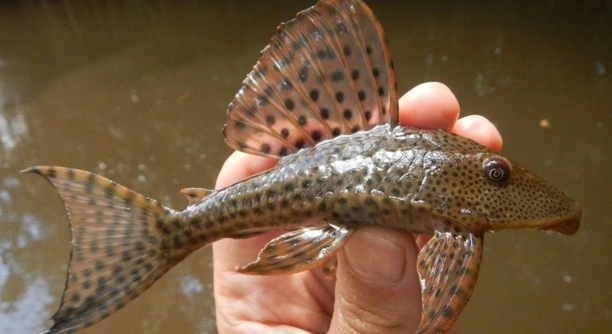
Is your pleco constantly leaping from its tank, leaving you concerned and unsure about what’s causing this odd behavior?
Plecos often jump due to stress, poor water conditions, lack of oxygen, or sudden changes in their environment. Understanding these triggers is essential to preventing injuries and ensuring a safe, stable habitat for your fish.
These behaviors may appear sudden, but each action tells a story about your pleco’s health, comfort, and environment.
Poor Water Quality
Plecos are sensitive to the condition of their water. When ammonia, nitrite, or nitrate levels rise, it creates an unsafe environment that can lead to stress. This stress may cause your pleco to act out, including jumping from the tank. Inconsistent temperature or pH swings can also contribute. A tank that hasn’t been cleaned regularly or lacks proper filtration can easily lead to these changes. It’s important to monitor the water parameters with a reliable test kit and make gradual changes if needed. Good filtration and scheduled water changes are key for maintaining a safe space for your pleco.
Test your tank water weekly using liquid test kits. Strips can be inaccurate and may miss slight but dangerous shifts.
Regular water changes, removing uneaten food, and keeping up with filter maintenance will help keep the environment healthy. Plecos thrive in clean, stable tanks where harmful toxins are kept under control through consistency and care.
Lack of Oxygen
Low oxygen levels are a common issue in tanks with poor circulation or high stocking. Plecos may jump when they’re struggling to breathe, especially at night.
If you notice your pleco staying near the surface or being unusually active during dark hours, oxygen may be too low. Proper surface agitation helps gas exchange. Adding air stones, sponge filters, or adjusting your filter’s output to increase surface movement can make a big difference. Avoid overcrowding, as too many fish reduce available oxygen. Warmer water holds less oxygen, so consider lowering the temperature slightly if needed. A well-oxygenated tank supports calm, healthy behavior in plecos and helps prevent escape attempts.
Stress from Sudden Changes
Quick changes in lighting, loud noises, or moving the tank can easily upset plecos. These fish rely on stable surroundings and react strongly when something disrupts their routine.
Even turning on a bright light suddenly in a dark room can cause a startled reaction. Plecos are nocturnal and prefer dim conditions, so sudden light or motion near the tank may trigger panic. Rearranging tank decorations or shifting them to a new tank without proper acclimation can also add to their stress. Always make changes gradually—dim the lights slowly, move quietly around the tank, and provide plenty of hiding spaces. A calm environment lowers the chances of jumping or injury.
Stress might not always be obvious, but small environmental shifts build up. Giving your pleco a consistent routine, maintaining water conditions, and avoiding sudden disturbances are some of the simplest ways to help them stay settled and safe.
Inadequate Hiding Spaces
Plecos need spots to hide, especially during daylight hours. Without cover, they feel exposed and anxious. Hiding helps them feel secure, and a lack of it can lead to skittish behavior, including sudden bursts or jumps.
You don’t need anything fancy. Simple additions like driftwood, caves, or even stacked stones give your pleco a place to tuck away during the day. Darkness and tight spaces make them feel safe. Try to position hiding areas near the bottom of the tank, and avoid overcrowding the space with decorations that limit their swimming room. When plecos can rest quietly and stay out of view, their stress levels go down. If your pleco is always out in the open, it may be trying to find shelter and reacting by jumping when it can’t. Providing the right balance of hiding spots and open space can prevent panic and keep your pleco comfortable.
Territorial Aggression
If your pleco feels crowded or threatened by tank mates, it may try to escape by jumping. Some species can be territorial, especially if the tank is too small or lacks space to establish a hiding spot.
Adding more space or rearranging the tank can reduce aggression. Monitor other fish for bullying behaviors or competition over food.
Overactive Night Behavior
Plecos are most active at night and may jump when startled or excited. Bright lights, tank vibrations, or sudden movements outside the tank during their active hours can trigger a leap. Keeping the room quiet and dim helps reduce night-time restlessness and keeps them calmer.
Improper Tank Lid
An unsecured or missing lid makes it easy for plecos to jump out. Always use a tight-fitting, escape-proof lid to keep them safe.
FAQ
Why does my pleco jump out of the tank?
Plecos may jump out of the tank for a variety of reasons, such as stress, poor water conditions, lack of oxygen, or territorial disputes. Changes in their environment, such as sudden movements or loud noises, can trigger this behavior. It’s important to address these factors to reduce stress and create a safe, stable habitat.
How can I stop my pleco from jumping?
To prevent jumping, ensure your pleco’s tank is secure with a tight-fitting lid. Make sure the water quality is optimal, and avoid sudden changes in lighting or temperature. Adding hiding spots can help your pleco feel safe and reduce stress. Regular tank maintenance and monitoring their behavior are key to keeping them calm.
Can my pleco jump because it is stressed?
Yes, stress is a major factor in pleco jumping. Factors like poor water quality, overcrowding, or sudden changes in the tank environment can lead to stress. A stressed pleco may try to escape by jumping, so providing a stable, comfortable habitat is essential for preventing this behavior.
How do I know if my pleco is stressed?
Signs of stress in plecos include hiding more often than usual, rapid swimming, or rubbing against tank decorations. They may also stop eating or show erratic behavior, including jumping. Monitoring their behavior and making changes to improve their environment can help reduce stress.
Does water quality affect my pleco’s behavior?
Yes, poor water quality can significantly affect a pleco’s behavior. High levels of ammonia, nitrites, or nitrates can cause stress, making your pleco more likely to jump. Regular water testing and changes are essential for maintaining a healthy environment. Plecos thrive in stable conditions with clean water.
What kind of hiding spots does my pleco need?
Plecos are nocturnal and need hiding spots to feel secure. Driftwood, caves, or rock piles are great additions. These structures provide a place for your pleco to retreat when they feel threatened. Adding several hiding spots ensures your pleco has a choice and can retreat from other tank mates if needed.
Is my pleco jumping due to overcrowding?
Overcrowding can contribute to stress, which might cause your pleco to jump. Plecos need adequate space to establish their territory. If other fish are competing for food or space, it can lead to aggression or discomfort. Ensure your tank is appropriately sized for the number of fish you have.
Can I prevent jumping by adjusting the temperature?
Temperature fluctuations can stress plecos, so keeping the water temperature stable is important. Sudden temperature changes can make them feel unsafe, prompting them to jump. Make sure the tank heater is working properly and that the water temperature stays within the optimal range for your pleco species.
Why is my pleco jumping at night?
Plecos are most active at night and may jump if they feel startled or anxious. Tank vibrations or sudden lighting changes can trigger this behavior. To minimize jumping at night, keep the room quiet and avoid disturbing the tank during your pleco’s active hours.
Can plecos jump if the tank lid is not secure?
Yes, plecos can easily jump out of the tank if the lid is not secure. It’s important to use a lid that fits tightly to prevent escape. If your pleco is jumping out of the tank, check the lid and ensure it is properly closed.
What other factors could cause my pleco to jump?
Other factors include tank mates that may be aggressive, low oxygen levels, or poor tank maintenance. Plecos are sensitive to changes in their environment, so maintaining consistent water conditions, providing enough space, and monitoring their behavior are essential steps in preventing jumping.
Final Thoughts
Plecos are fascinating fish, but their jumping behavior can be a challenge. Understanding the reasons behind it is the first step in ensuring your pleco remains healthy and safe in its environment. From poor water quality to stress caused by sudden changes, there are several factors that could lead to your pleco jumping out of the tank. Identifying these factors early on and making the necessary adjustments can significantly reduce the risk of injury or stress for your pleco.
Creating a comfortable and stable environment is essential for preventing jumping. Ensuring that the water quality is consistently monitored, maintaining a proper temperature range, and providing enough hiding spots for your pleco to retreat to when feeling threatened are all important considerations. Additionally, keeping the tank lid secure and minimizing disturbances around the tank will help reduce stress for your pleco. By focusing on these key areas, you can greatly improve the quality of life for your fish and prevent it from engaging in harmful jumping behaviors.
Overall, plecos can thrive in a well-maintained tank with the right care and attention. Keeping their environment clean, stable, and secure not only reduces jumping but also supports their long-term health. Addressing potential stressors, such as overcrowding or tank mate aggression, will also help create a more peaceful habitat. With a little extra effort, you can ensure your pleco feels safe and happy in its home.

Hello,
If you enjoy the content that we create, please consider saying a "Thank You!" by leaving a tip.
Every little bit helps us continue crafting quality advice that supports the health, happiness, and well-being of pets around the world, for pets of all shapes, sizes, and species.
We really appreciate the kindness and support that you show us!