
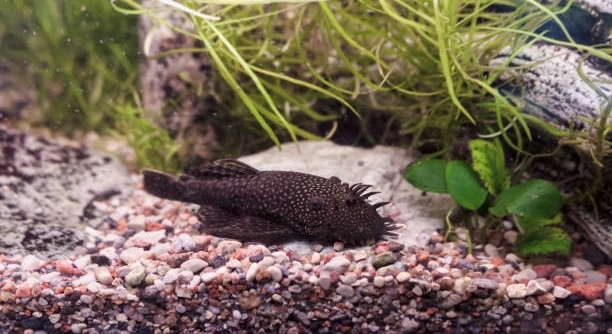
Are your plecos not growing as expected, despite providing them with proper care? It can be frustrating to see their progress stall after a while. Understanding the reasons behind this can help you improve their growth.
The primary reasons your pleco may not be growing are inadequate nutrition, improper water conditions, and stress. These factors can hinder their development, causing them to reach a growth plateau or even stop growing altogether.
Identifying and addressing these factors will guide you in restoring your pleco’s growth. Learn how to improve their environment and diet for a healthier, thriving fish.
Inadequate Nutrition
Plecos are omnivores, which means they need a well-balanced diet of both plant matter and protein. A lack of proper nutrition can directly impact their growth. Overfeeding or feeding them the wrong types of food, such as a diet only consisting of algae wafers, will not provide all the necessary nutrients for healthy growth.
Some plecos also require additional food sources like vegetables (e.g., zucchini, spinach) and protein-rich items such as shrimp or fish. If your pleco isn’t getting a proper variety, it can lead to poor growth or stunted development.
Providing them with a proper diet ensures they receive the right nutrients for growth. Over time, this can lead to a noticeable improvement in size and health. Make sure to offer a mix of foods, and avoid feeding them too much or too little. A healthy diet is a crucial step toward encouraging growth and keeping your pleco thriving.
Poor Water Conditions
Water quality plays a critical role in the health of your pleco.
If your water isn’t clean, it can cause stress and stunt growth. Plecos thrive in stable environments, so consistent water changes and proper filtration are necessary. Proper water parameters, such as pH, hardness, and temperature, are also vital for their growth.
Your pleco’s growth rate is affected by the quality of the water. Too much waste, fluctuating temperatures, or poor water flow can lead to a stressed pleco, preventing proper growth. Regular maintenance is key to maintaining an environment where your pleco can thrive. By keeping the water conditions optimal, you can avoid stunted growth and promote overall health.
Stress from Tankmates
Stress from other fish can significantly slow down your pleco’s growth. Aggressive tankmates may bully or compete for resources, causing your pleco to feel unsafe and hindering its development. It’s important to choose peaceful companions that won’t intimidate or overpower your pleco.
Stress can also be caused by overcrowding in the tank. When there isn’t enough space for each fish to claim its territory, plecos, which prefer a peaceful environment, can become anxious. If your pleco is constantly on edge, its growth will be impacted.
Consider placing your pleco in a tank with other non-aggressive species. Giving it ample space to roam freely will help reduce stress and support its growth. If possible, monitor its behavior to ensure it’s not stressed out by its tankmates. Stress-free plecos have a better chance of growing to their full potential.
Improper Tank Size
Plecos require large tanks to grow to their full size. A cramped space will stunt their growth and make them feel restricted. If you are keeping your pleco in a small aquarium, it may not reach its potential size due to the lack of space to swim and explore.
Plecos can grow quite large, with some species reaching lengths of up to 24 inches. A tank that’s too small for their size will not allow them to thrive. It’s crucial to upgrade to a larger tank as your pleco grows. Proper tank size ensures your pleco can move freely, promoting overall health and proper development.
Always ensure your pleco’s environment is large enough to accommodate its size, keeping in mind its potential growth rate. A spacious tank offers the ideal conditions for growth, allowing your pleco to live comfortably and develop into a healthy adult fish.
Inconsistent Water Temperature
Fluctuating water temperatures can put a significant strain on your pleco, slowing its growth. Plecos are sensitive to temperature changes, and sudden shifts can cause stress or even illness. Maintaining a stable water temperature between 75°F and 80°F is essential for their well-being.
If the temperature is too low, plecos will become lethargic, and their metabolism will slow down. This can affect their growth rate. Investing in a reliable heater and thermometer will help you maintain a consistent temperature and keep your pleco comfortable, allowing it to grow properly.
Insufficient Hiding Spots
Plecos are naturally nocturnal and enjoy having places to hide during the day. If there aren’t enough hiding spots in the tank, your pleco will feel exposed and stressed. This anxiety can negatively affect its growth.
Providing caves, driftwood, or plants gives your pleco places to retreat to when it feels threatened or simply needs rest. By offering these hiding spots, you help create a more secure environment that supports its overall health and growth.
Lack of Proper Lighting
Proper lighting is important for your pleco’s environment, but too much direct light can cause stress. Plecos prefer dim lighting or shaded areas where they feel safer. Exposure to bright lights for long periods can stress them out, affecting their overall health.
It’s a good idea to use a light cycle that mimics day and night, allowing your pleco to have periods of rest. Consider using a timer to control the lighting schedule. This will help your pleco feel more at ease and promote steady growth.
FAQ
Why isn’t my pleco growing?
There are several reasons why your pleco may not be growing. It could be due to poor nutrition, stressful tank conditions, or insufficient space. A lack of proper food, such as variety in plant matter and protein, can prevent your pleco from reaching its full size. Inadequate tank size, poor water quality, and aggressive tankmates can also hinder its growth.
How often should I feed my pleco?
Plecos should be fed once or twice a day, depending on their age and size. Juvenile plecos may require more frequent feeding, while adult plecos can be fed once a day. Always provide a variety of foods, such as algae wafers, vegetables like zucchini, and protein-rich foods like shrimp or fish. It’s important not to overfeed, as this can lead to water quality issues.
Can plecos grow in small tanks?
No, plecos need plenty of space to grow. They can grow quite large depending on the species, and keeping them in a small tank can stunt their growth. A tank of at least 75 gallons is recommended for most pleco species. If your pleco is in a cramped tank, consider upgrading to a larger one to allow for proper growth.
What water conditions are best for plecos?
Plecos prefer clean, stable water conditions. The water temperature should be kept between 75°F and 80°F, with a slightly acidic to neutral pH (6.5 to 7.5). Regular water changes are essential to maintain water quality and remove waste. It’s also crucial to have proper filtration to ensure the water remains clear and oxygenated.
How do I reduce stress in my pleco?
To reduce stress, provide plenty of hiding spots, such as caves or driftwood, where your pleco can retreat to when it feels threatened. Avoid aggressive tankmates and ensure the water temperature remains stable. Additionally, maintaining good water quality and keeping the tank size appropriate for the pleco’s species can help keep it calm and healthy.
Do plecos need a lot of light?
Plecos do not require a lot of light and actually prefer dimmer conditions. Excessive lighting can cause stress, as they are nocturnal creatures that are more active during the night. A lighting cycle that mimics day and night, with about 10 to 12 hours of light per day, will be ideal for your pleco. Make sure to provide shaded areas or caves for your pleco to rest during the day.
Can plecos live with other fish?
Yes, plecos can live with other fish, but it’s important to choose compatible tankmates. Peaceful fish that do not compete for food or space are the best companions. Avoid aggressive fish, as they may bully or harm your pleco. Plecos are bottom dwellers and often get along well with mid or top-dwelling fish.
What kind of food should I feed my pleco?
A pleco’s diet should include a mix of algae wafers, vegetables (like zucchini, cucumber, or spinach), and protein-based foods such as shrimp or fish. Make sure to rotate the food types to ensure a well-rounded diet. Offering variety not only promotes growth but also supports your pleco’s overall health.
Why is my pleco hiding all the time?
It’s normal for plecos to hide, especially during the day as they are nocturnal creatures. However, if your pleco is hiding all the time, it could be stressed or uncomfortable with its environment. Check for possible stress factors such as tankmates, water quality, and lighting. Providing more hiding spots can help your pleco feel secure.
Can plecos live without algae?
Algae is an important part of a pleco’s diet, but they can survive without it. Plecos are opportunistic feeders and will graze on algae in their tank, but they also need a variety of other foods like vegetables and protein. If there isn’t enough algae in your tank, make sure to supplement with algae wafers and other appropriate food sources.
How can I encourage my pleco to grow faster?
To encourage faster growth, ensure your pleco has access to proper nutrition, a clean tank, and plenty of space. Provide a variety of foods, such as algae wafers, vegetables, and protein sources. Maintaining a stable environment with optimal water conditions and a peaceful tank can also support faster growth.
Final Thoughts
Understanding why your pleco isn’t growing is essential to ensuring it reaches its full potential. Plecos require the right conditions to thrive, and small changes can make a big difference. Ensuring proper water quality, a balanced diet, and a spacious tank are key factors that influence their growth. If any of these elements are lacking, your pleco might struggle to grow as expected.
In addition to water conditions and diet, stress can play a huge role in slowing down growth. If your pleco feels threatened by other fish or doesn’t have enough hiding spots, it will be harder for it to grow at a healthy pace. A calm and secure environment, with suitable tankmates, will allow your pleco to focus on growth rather than constantly hiding or stressing out. Making sure that your pleco’s tank provides enough space and comfort is just as important as feeding it the right foods.
Finally, patience is crucial. Fish growth is a slow process, and plecos, in particular, can take time to reach their full size. Keep monitoring your pleco’s environment, diet, and overall health. As long as you are attentive to its needs and provide the best care possible, your pleco will eventually reach its maximum growth potential. With the right setup and care, you will see your pleco flourish.

Hello,
If you enjoy the content that we create, please consider saying a "Thank You!" by leaving a tip.
Every little bit helps us continue crafting quality advice that supports the health, happiness, and well-being of pets around the world, for pets of all shapes, sizes, and species.
We really appreciate the kindness and support that you show us!