
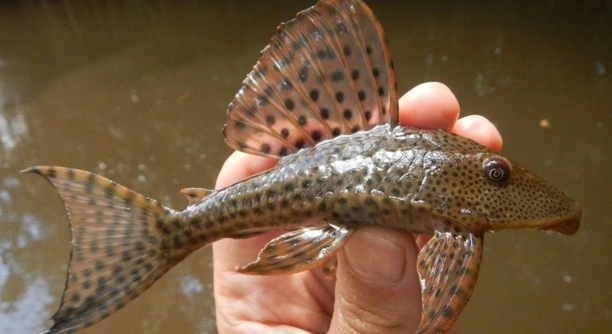
Your pleco’s floating behavior can be puzzling. It’s important to understand the reasons behind this to help your fish thrive. This article will explore the possible causes and solutions for this issue to ensure your pleco stays healthy.
Floating in plecos can be caused by various factors, including poor water quality, swim bladder issues, or stress. Incorrect diet, overfeeding, and tank mates may also contribute. Identifying and addressing the root cause can help restore your pleco’s health.
Knowing what’s causing your pleco to float can help you take the right steps. Continue reading to find effective solutions and keep your fish happy and comfortable.
Poor Water Quality
Water quality is often the main factor in a pleco’s floating behavior. Fish, especially plecos, are sensitive to toxins like ammonia, nitrites, and nitrates. When these levels are too high, plecos can become stressed, affecting their buoyancy. Regular water testing and proper filtration are essential for keeping the water clean and safe.
To prevent water quality issues, make sure to change a portion of the tank water weekly. Use a reliable water conditioner to remove chlorine or chloramine. Also, consider using a high-quality filter that suits the size of your tank.
By maintaining a clean and stable environment, you help your pleco stay healthy and avoid stress that can lead to floating problems. A consistent water change schedule will promote overall well-being, ensuring your pleco enjoys a healthier life.
Swim Bladder Disease
Swim bladder disease is another common reason for floating in plecos. This condition affects the swim bladder, which helps the fish maintain its balance in the water. If the swim bladder is damaged or infected, it can cause abnormal buoyancy, leading to floating or sinking behavior.
Swim bladder issues can be caused by various factors, including overfeeding, constipation, or poor water quality. In some cases, it could be a sign of an underlying health issue like a bacterial infection. To treat swim bladder disease, ensure your pleco has a proper diet, avoid overfeeding, and offer it high-quality food.
If you suspect swim bladder disease, consider fasting your pleco for a day to help clear any blockage. Adding fiber-rich foods like peas may also help with digestion. If the issue persists, consult with an aquatic veterinarian for further treatment options.
Overfeeding
Overfeeding can cause bloating and constipation, which often leads to a pleco floating. Plecos are bottom feeders and do not need excessive amounts of food. Overfeeding can also degrade water quality, making it harder to maintain a stable environment.
To prevent overfeeding, offer small portions that your pleco can consume within a few minutes. Remove any uneaten food to avoid polluting the tank. Pay attention to the feeding habits of your pleco and adjust the amounts based on its size and activity level.
Overfeeding not only affects your pleco’s buoyancy but also contributes to poor water quality, further stressing your fish. A balanced diet with the right portion sizes is key to keeping your pleco healthy and maintaining a clean tank.
Stress from Tank Mates
Stress from tank mates can cause a pleco to float. Plecos can become stressed if they are housed with aggressive or overly active fish. This stress can affect their buoyancy, making them more likely to float.
To reduce stress, make sure to keep peaceful tank mates with your pleco. Avoid placing aggressive or territorial fish in the same tank. Creating hiding spots and plenty of space can also help your pleco feel safe and reduce stress levels.
If your pleco shows signs of stress, consider rearranging the tank to minimize conflicts or even move the pleco to a separate tank. Stress can lead to long-term health issues, so keeping a peaceful environment is essential for your fish’s well-being.
Inadequate Diet
An inadequate diet can lead to health problems, including floating. Plecos need a varied diet rich in fiber, such as algae wafers, vegetables, and occasional protein. Without proper nutrition, their digestive system may become sluggish, affecting buoyancy.
If your pleco isn’t getting the right nutrients, its digestive system might struggle to process food. This can cause bloating or constipation, making it float. Offering a balanced diet that includes both plant and protein-based foods will help maintain healthy digestion and buoyancy.
Underdeveloped Swim Bladder
Some plecos may have an underdeveloped swim bladder, especially if they are young or have health issues. A weak or underdeveloped swim bladder makes it difficult for them to control their buoyancy.
In such cases, keeping the water conditions optimal and feeding your pleco a proper diet can help it develop. However, an underdeveloped swim bladder may need professional attention if the issue persists. Keeping a close eye on your pleco’s health and behavior will help you determine if any treatment is necessary.
FAQ
Why is my pleco floating on its back?
If your pleco is floating on its back, it could be due to swim bladder issues or poor water quality. The swim bladder controls buoyancy, and when it’s not functioning properly, your pleco may struggle to maintain a normal position. It could also be a sign of stress or an injury. Check the water quality, as high ammonia or nitrite levels can also affect your fish’s health.
Can overfeeding cause a pleco to float?
Yes, overfeeding is a common cause of floating in plecos. When you feed too much, food can remain in their digestive system, causing constipation or bloating. This disrupts their buoyancy. Additionally, uneaten food in the tank leads to poor water quality, further stressing the pleco. Ensure that you are offering small portions of food that your pleco can consume within a few minutes.
How can I treat swim bladder disease in my pleco?
Treating swim bladder disease starts with addressing the underlying cause. First, fast your pleco for a couple of days to allow its digestive system to reset. You can also offer fiber-rich foods, like peas, to help with digestion. Check the water quality and make sure the temperature is stable. If the condition persists, you might need to consult an aquatic vet for further treatment.
What’s the best way to feed my pleco to avoid floating?
Feeding your pleco the right amount and type of food is crucial to avoid floating. Offer small portions of algae wafers, vegetables, and occasional protein. Avoid overfeeding and make sure to remove uneaten food promptly. Regularly check your pleco’s digestive health to ensure it’s processing food properly. This will reduce the chances of constipation and bloating that may lead to floating.
Can tank mates cause my pleco to float?
Yes, tank mates can contribute to floating issues if they cause stress. Plecos are peaceful fish, but aggressive or overly active tank mates can create an environment that causes anxiety. Stress disrupts their health and can lead to problems with buoyancy. Keep peaceful fish with your pleco and make sure there’s enough space and hiding spots in the tank to minimize stress.
How can I improve the water quality for my pleco?
Improving water quality for your pleco involves regular water changes, maintaining the right filtration system, and monitoring the levels of ammonia, nitrites, and nitrates. You should aim to change about 25% of the water weekly. Invest in a high-quality filter that can handle the bioload of your tank. Also, use a water conditioner to remove chlorine or chloramine before adding tap water to the tank.
What is the ideal water temperature for my pleco?
Plecos generally thrive in water temperatures between 72°F and 82°F (22°C–28°C). A stable temperature is essential for their well-being, as sudden changes can cause stress and affect their buoyancy. Use a reliable heater and thermometer to maintain a consistent temperature range within the tank.
Can a pleco recover from floating problems?
Yes, a pleco can recover from floating problems if the underlying cause is addressed. Whether it’s swim bladder disease, overfeeding, or poor water quality, once you identify and correct the issue, your pleco can return to normal. However, if the problem persists despite changes, it’s best to consult an aquatic veterinarian for further guidance.
How do I know if my pleco is stressed?
Signs of stress in a pleco include floating at the surface, hiding more than usual, changes in eating habits, or visible physical damage. They may also exhibit erratic swimming or spend more time near the filter or heater. Stress can result from poor water quality, incompatible tank mates, or environmental changes. Identifying and resolving the cause of stress is important for your pleco’s recovery.
Is it normal for plecos to float after eating?
It’s not uncommon for plecos to float briefly after eating, especially if they’ve eaten too much. If the floating persists or becomes frequent, it could indicate overfeeding, digestive problems, or swim bladder issues. Monitor your pleco’s food intake and make sure to feed them the right portions to prevent floating after meals.
Should I separate my pleco from other fish if it’s floating?
It’s a good idea to separate your pleco if it’s floating due to stress from tank mates. However, if the floating is caused by swim bladder issues or overfeeding, isolation may not be necessary. A separate quarantine tank can help monitor its behavior and ensure a peaceful environment while addressing the cause of the floating.
Can a pleco’s diet help prevent floating?
A well-balanced diet is key to preventing floating. Feeding your pleco algae wafers, vegetables, and occasional protein helps ensure healthy digestion and prevents constipation. Overfeeding or feeding only one type of food can cause bloating and digestive issues that may lead to floating. Always monitor their diet and offer variety to promote good health.
Final Thoughts
If your pleco is floating, it’s important to understand that this could be due to a variety of factors. From poor water quality to overfeeding or even tank mate stress, each possible cause can affect your pleco’s buoyancy. Regularly checking your water parameters and offering a balanced diet will help keep your fish in good shape. Consistent care and monitoring will go a long way in preventing floating issues.
Swim bladder problems are a common cause of floating, and they can often be resolved with small adjustments. If overfeeding is the issue, simply reduce the amount of food you offer and remove any leftovers after feeding. If stress from tank mates is the problem, consider rearranging your aquarium or introducing calmer species. Addressing these factors early on can prevent long-term health problems for your pleco.
Always pay close attention to your pleco’s behavior and health. If the floating continues or worsens despite your efforts, it’s wise to consult an aquatic vet. Taking action early ensures that your pleco can recover and return to its natural swimming habits. Keeping your tank environment healthy and stable is key to preventing future issues.

Hello,
If you enjoy the content that we create, please consider saying a "Thank You!" by leaving a tip.
Every little bit helps us continue crafting quality advice that supports the health, happiness, and well-being of pets around the world, for pets of all shapes, sizes, and species.
We really appreciate the kindness and support that you show us!