
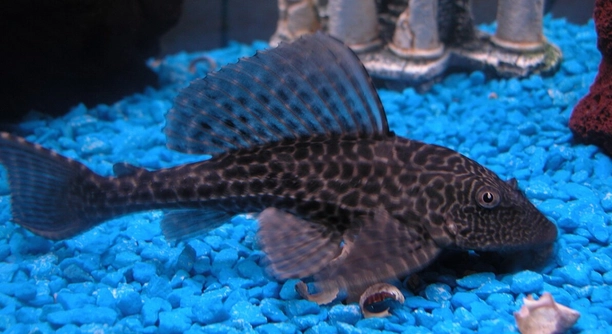
Sometimes, aquarium owners notice their plecos hanging at the top of the tank more often than usual. This behavior can be concerning, but it’s not always a sign of a serious issue. Understanding the cause is important for their well-being.
The most common reasons a pleco may hang at the top of the tank include oxygen deficiencies, water temperature issues, or poor water quality. A pleco may also seek out more oxygen if it’s stressed or uncomfortable.
These factors can be addressed with simple fixes, ensuring your pleco remains healthy and happy. Let’s explore the key reasons behind this behavior and how you can easily correct it.
Oxygen Levels in the Tank
If your pleco is spending a lot of time at the top, it might be a sign that it’s looking for more oxygen. Plecos, like many fish, rely on good water circulation to get oxygen. If the water is stagnant or not oxygenated well, they may swim near the surface where the oxygen concentration is higher. This could be due to a filter that isn’t working properly or a lack of water movement.
You can fix this by making sure your filter is running correctly. If it’s clogged, clean it out. Adding an air stone or increasing water flow can also help boost oxygen levels, making your pleco more comfortable and active.
An aquarium with good circulation helps fish maintain their health. Sometimes, plecos may not be able to get enough oxygen if the tank is too small or overcrowded. Consider upgrading the filter or adding more aeration to your setup. In some cases, fish need larger tanks for proper oxygenation, especially if there are many fish. Keeping the water well-circulated can prevent this problem from becoming worse.
Temperature Concerns
Another common reason your pleco might be hanging at the top of the tank is an issue with water temperature. Plecos are sensitive to temperature changes, and water that’s too warm or too cold can cause them to seek out areas where the water is more comfortable. If the water is too hot, they might go to the top where the temperature is slightly cooler.
Make sure to keep the water temperature in the range of 72 to 78°F. If you notice your pleco spending more time at the top during warm weather or after a heater change, try adjusting the tank temperature to a stable level. An aquarium thermometer can help you monitor the water and ensure it stays within the ideal range.
A fluctuating temperature can also cause your pleco stress, making it more likely to hang at the surface. It’s crucial to check your heater and ensure it’s functioning properly, as well as double-check the tank’s environment. If your pleco seems agitated by a hot or cold tank, try adjusting the temperature to a more balanced level. Keeping the tank’s temperature steady and within range will help your pleco feel more secure.
Water Quality Issues
Plecos are sensitive to poor water quality. High levels of ammonia, nitrites, or nitrates can cause stress and force them to seek the surface for air. Dirty water can lead to oxygen depletion, further pushing them to the top. Regular water changes and proper filtration can help prevent this.
Test your water regularly using a water testing kit to ensure the levels of ammonia, nitrites, and nitrates are within safe ranges. If you notice high levels, perform a water change immediately. Make sure your filter is running effectively to help keep the water clean. Plecos thrive in stable environments, and water quality plays a big part in this.
A good filtration system is essential to prevent these water quality issues. If your tank is heavily stocked, you may need a stronger filter to handle the waste load. Keep up with weekly water changes, and always vacuum the gravel to remove debris that can affect water quality. You may also want to use water conditioners to help keep the environment safe for your pleco.
Stress and Illness
Stress can make plecos behave differently, including hanging at the top of the tank. Factors like overcrowding, aggressive tankmates, or constant disturbances can cause stress. Illnesses can also be a factor, making them less active and more likely to stay at the surface.
If your pleco is showing other signs of stress, like hiding, loss of appetite, or unusual swimming patterns, it could be due to poor tank conditions or illness. Addressing the root cause, whether it’s aggressive tankmates or an overcrowded tank, can reduce the stress your pleco feels.
Fish are often sensitive to changes in their environment. A calm, quiet tank with appropriate tankmates and ample space can reduce stress. If you think illness is the issue, observe closely for signs such as discoloration, spots, or abnormal behavior. Quarantining a sick pleco and treating any illness promptly will prevent it from getting worse. Reducing stress and addressing illnesses is key to keeping your pleco healthy and comfortable.
Overcrowding in the Tank
An overcrowded tank can cause your pleco to hang at the top of the tank, seeking space. When there are too many fish, it affects the water quality and oxygen levels. This can lead to stress and forced behavior like surface swimming.
If the tank is too small for the number of fish you have, consider upgrading to a larger tank. Overcrowding leads to poor water quality and can cause your pleco to constantly search for air. A tank with fewer fish gives your pleco more room to swim and thrive.
Poor Diet
A poor or inconsistent diet can lead to your pleco being more stressed, which might result in surface swimming. If your pleco isn’t getting enough nutrients, it could show behavioral changes, including spending more time at the top of the tank.
Make sure your pleco’s diet is varied and contains the necessary nutrients. Feeding them a combination of algae wafers, vegetables, and occasional protein can help meet their dietary needs. If you notice your pleco not eating well, it’s a sign you may need to adjust their diet for better health.
Improper Tank Setup
The setup of your tank can contribute to your pleco’s behavior. If the tank lacks hiding spots or is too bright, your pleco may feel exposed and uncomfortable, leading to surface swimming. Plecos prefer places to hide and areas with low light.
Ensure your tank has plenty of caves, plants, or decorations for your pleco to hide in. A tank with hiding spots will make your pleco feel more secure and less likely to swim at the top. Proper tank setup promotes overall well-being, keeping your pleco calm.
FAQ
Why is my pleco always at the top of the tank?
Your pleco may be at the top of the tank due to several reasons like oxygen deficiency, water temperature problems, poor water quality, or stress. Plecos need oxygen-rich water, and if the tank lacks proper aeration or circulation, they might swim near the surface where there’s more oxygen. Additionally, if the water temperature is not ideal or fluctuates too much, your pleco may seek the top where it’s cooler. Poor water quality, especially high levels of ammonia or nitrates, can also force your pleco to the top. Finally, stress from overcrowding, aggressive tankmates, or improper tank conditions can lead to this behavior.
How can I improve the oxygen levels in my tank?
To improve oxygen levels in your tank, first check your filtration system. Make sure it’s running efficiently and providing enough water circulation. Adding an air stone or a sponge filter will help increase oxygen flow. You can also position your filter near the surface to create surface agitation, which helps oxygen exchange. Additionally, performing regular water changes can keep the oxygen levels healthy, as dirty water can deplete oxygen levels. Ensuring your tank is not overcrowded will also make a difference in maintaining proper oxygen flow.
What is the ideal temperature for a pleco?
Plecos thrive in water temperatures between 72°F and 78°F. If the water is too cold or too hot, your pleco may exhibit signs of stress, including hanging at the top of the tank. To maintain the right temperature, use a reliable aquarium heater with a built-in thermostat. Monitor the temperature regularly with an aquarium thermometer to ensure it stays within the ideal range. Avoid drastic fluctuations in temperature as plecos can be sensitive to sudden changes.
How often should I clean the tank to keep my pleco healthy?
Regular tank cleaning is essential for maintaining a healthy environment for your pleco. Perform partial water changes of 25-30% every week to keep the water clean and remove toxins like ammonia and nitrates. Vacuum the substrate to remove debris and waste. Clean your filter every month, but don’t over-clean it, as beneficial bacteria need time to establish. Keep an eye on water parameters using a water test kit to ensure the levels remain stable. A well-maintained tank helps reduce stress on your pleco and promotes overall health.
Can a pleco live with other fish?
Yes, plecos are generally peaceful and can live with other fish. However, they do best with tankmates that aren’t overly aggressive. Avoid keeping plecos with fish that may harass or bully them. It’s important to provide plenty of space, especially in smaller tanks. Plecos also need hiding spots where they can retreat when feeling stressed. Compatible tankmates include peaceful community fish like tetras, guppies, and angelfish. Avoid keeping plecos with overly territorial or aggressive species, such as cichlids.
Why is my pleco swimming sideways or upside down?
If your pleco is swimming sideways or upside down, it could be a sign of swim bladder issues or a serious underlying health problem. Swim bladder disease can cause difficulty in controlling buoyancy, leading to abnormal swimming patterns. Overfeeding, constipation, or poor water quality can contribute to this condition. Ensure your pleco is fed a balanced diet and avoid overfeeding, which can lead to digestive issues. If this behavior persists, consider isolating the pleco in a quarantine tank and consulting a veterinarian experienced with fish care.
How can I reduce stress in my pleco?
Reducing stress in your pleco involves creating a calm and secure environment. Ensure the tank is not overcrowded and that all tankmates are peaceful. Provide plenty of hiding spots such as caves or plants where your pleco can retreat if it feels threatened. Keep the lighting subdued, as plecos prefer low light conditions. Avoid making sudden changes to the tank, like moving decorations or adding new fish. Additionally, maintain stable water conditions, including temperature, pH, and water quality, as fluctuations in these factors can cause stress.
Can plecos live in a tank with low light?
Yes, plecos generally prefer low light conditions, especially species like the common pleco and the bristlenose pleco. They are nocturnal creatures and tend to be more active during the night. Bright lighting can stress them out, so it’s important to keep the tank lit with soft, indirect light or to provide areas of the tank where the pleco can hide in the darkness. If you have plants in the tank, make sure they receive enough light, but aim to avoid overly harsh lighting that could disrupt your pleco’s comfort.
Is my pleco sick if it’s staying at the top?
Not necessarily. While it can be a sign of illness or stress, plecos may also stay at the top if they are simply looking for more oxygen or if the water conditions are not optimal. If your pleco is showing other signs of illness, such as loss of appetite, discoloration, or abnormal swimming, it might be sick. Check water quality and temperature first to rule out environmental factors. If the behavior persists and other signs of illness appear, consider isolating the pleco in a quarantine tank and observing it closely.
Final Thoughts
Understanding why your pleco hangs at the top of the tank is the first step in ensuring its health and comfort. There are several common reasons for this behavior, including low oxygen levels, improper water temperature, poor water quality, or stress. Often, the solution is straightforward, such as improving the tank’s aeration or adjusting the water temperature. By identifying the root cause, you can create a more stable and healthy environment for your pleco. Regular maintenance and monitoring of water parameters will help prevent these issues from recurring.
If you find that your pleco is consistently at the top of the tank, it’s important to pay attention to the other signs it may be showing. Stress and illness can also lead to abnormal behavior. This could include changes in appetite, unusual swimming patterns, or lethargy. If you notice these additional symptoms, it may be necessary to isolate the pleco to determine if it is unwell or simply stressed. Taking action early can prevent more serious health issues later. Keep in mind that plecos, like all fish, thrive in a peaceful, clean, and well-maintained environment.
Ultimately, ensuring that your pleco is healthy and happy requires attention to detail and a willingness to make adjustments to its tank setup when necessary. Overcrowding, poor diet, and a lack of proper hiding spots can all contribute to stress, which can lead to your pleco spending more time at the top of the tank. By creating a comfortable, stable, and clean environment, you’ll improve your pleco’s overall well-being. Regular checks on water quality, temperature, and filtration, combined with proper feeding and tank setup, will keep your pleco content and help prevent common problems.

Hello,
If you enjoy the content that we create, please consider saying a "Thank You!" by leaving a tip.
Every little bit helps us continue crafting quality advice that supports the health, happiness, and well-being of pets around the world, for pets of all shapes, sizes, and species.
We really appreciate the kindness and support that you show us!