
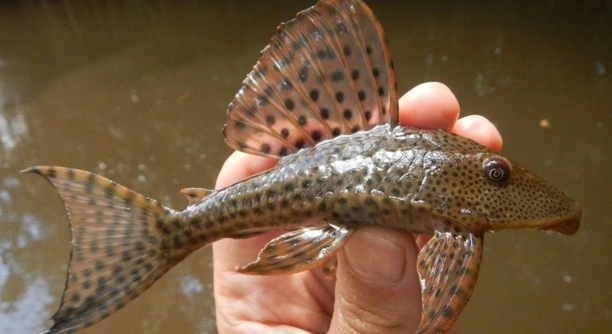
Do you ever notice your pleco staying at the bottom of the tank, avoiding the surface? It can be frustrating, especially if you’re concerned about their health.
The primary reasons your pleco avoids the surface include water quality, lighting conditions, and stress. They may also avoid the surface due to temperature, tank mates, or lack of food near the top.
Understanding the factors at play will help you create a better environment for your pleco and address any concerns you may have.
Poor Water Quality
Your pleco’s avoidance of the surface might stem from poor water quality. Plecos are sensitive to changes in their environment, and water conditions such as high ammonia or nitrite levels can lead them to seek refuge in the tank’s bottom. Inconsistent pH or water hardness can also contribute to their behavior. When the water isn’t clean, it can cause stress, making your pleco stay lower in the tank. Additionally, if the filter isn’t functioning properly or there is a build-up of waste, the water quality suffers. Regular maintenance, such as water changes and monitoring the filter, can help keep the tank environment stable.
Make sure to test your water regularly and use proper filtration systems. Poor water quality is one of the most common reasons why plecos tend to avoid the surface.
Regular water changes and an efficient filtration system are key to ensuring your pleco’s well-being. They help reduce harmful substances that might make the water uncomfortable for your fish. If the water quality isn’t up to standard, your pleco will feel the stress and instinctively avoid areas with poor conditions, like the surface. This can be easily addressed by maintaining a stable environment and staying on top of water testing and tank maintenance.
Improper Tank Lighting
The lighting in your aquarium can greatly affect your pleco’s behavior. Plecos prefer dimmer environments, and bright lights can be stressful for them. When lights are on, they may hide at the bottom to avoid the harsh illumination. In their natural habitat, plecos tend to dwell in caves or areas where there is less light exposure.
If the lighting in your tank is too bright or left on for too long, your pleco might become stressed and retreat to darker, bottom regions of the tank.
To help your pleco feel more comfortable, try using dim lighting or adding decorations like plants or caves. Plecos need a place to feel safe and secure. By adjusting the lighting schedule, you can create an environment where they feel more at ease and less likely to avoid the surface. Over time, your pleco may start to explore more freely, even at the top. Proper lighting and hiding spots are essential for maintaining your pleco’s health and happiness.
Water Temperature
Plecos are sensitive to temperature changes, and water that is too hot or too cold can cause them to avoid the surface. In their natural habitats, plecos typically live in warmer, steady water conditions. If the tank’s temperature fluctuates, your pleco may feel uncomfortable and stay at the bottom.
Ensure your tank is maintained within a temperature range of 72-82°F (22-28°C) for optimal health. If the water is too cold or too hot, your pleco will avoid the surface to keep away from the uncomfortable conditions. In colder temperatures, plecos may become sluggish, while excessively warm water can lead to stress. By using a reliable heater, you can stabilize the water temperature and prevent this behavior.
When your pleco avoids the surface due to temperature stress, it can also impact its feeding habits and overall well-being. Keeping the water temperature consistent and within the recommended range is crucial for their comfort and health. Pay attention to sudden temperature changes or malfunctions in your tank’s heating system. A sudden temperature drop or spike can be just as harmful as water quality problems.
Tank Mates
The presence of other tank mates can make your pleco feel threatened. If they share their space with more aggressive or territorial fish, your pleco may stay at the bottom of the tank to avoid conflict. Plecos are generally peaceful, but they can be shy and vulnerable to stress.
Aggressive fish might chase or nip at your pleco, forcing it to stay hidden. This behavior can also lead to decreased feeding and stress-related health issues. Choosing the right tank mates is essential for your pleco’s happiness. Fish like bettas, cichlids, or other territorial species should be avoided, as they may cause your pleco to feel unsafe and isolate itself at the bottom.
When selecting tank mates, consider the temperament and size of other species. Peaceful, non-aggressive fish like tetras or rasboras are better suited to share space with a pleco. By providing a harmonious tank environment, you can encourage your pleco to feel more comfortable, and it may begin to spend more time exploring the surface and the rest of the tank. A peaceful, stress-free environment will contribute greatly to the health of your pleco.
Lack of Food Near the Surface
If your pleco is avoiding the surface, it might be because there’s simply no food available. Plecos are bottom feeders, but they may also seek food near the top. If food isn’t offered there, they might stay lower in the tank.
Ensure that you’re offering food at different levels of the tank. Plecos are opportunistic feeders and may look for surface food if they can find it. Providing sinking food pellets along with floating options can keep your pleco healthy and encourage more exploration. This balance in feeding can also reduce their tendency to stay at the bottom.
Stress
Stress can lead to your pleco avoiding the surface. If there’s too much movement in the tank or constant noise from nearby activity, it can unsettle your pleco. This stress leads to hiding and staying away from the top.
Keeping the tank in a quiet and calm space helps reduce the stress that might be causing your pleco to avoid the surface. A peaceful environment allows your pleco to feel secure and comfortable to explore more. Try to avoid sudden movements around the tank to prevent startling your pleco.
Tank Size
Plecos are active swimmers and require ample space. If the tank is too small, they may feel cramped and prefer to stay at the bottom. They need room to move freely and explore.
A properly sized tank, typically at least 75 gallons for adult plecos, is essential for their well-being. Smaller tanks can lead to overcrowding, making plecos feel trapped. This lack of space can lead to more stress, causing your pleco to avoid exploring the surface. Larger tanks provide more room to hide, swim, and stay active, making it easier for your pleco to be healthy and feel secure.
FAQ
Why is my pleco staying at the bottom of the tank?
Plecos are naturally bottom-dwelling fish, so it’s normal for them to spend most of their time at the bottom. However, if your pleco is consistently avoiding the surface, it could be due to poor water quality, stress, or other environmental factors. Water temperature and the presence of aggressive tank mates can also make your pleco feel unsafe or uncomfortable. It’s important to ensure the water conditions are stable, the tank is spacious enough, and there’s a peaceful environment with no sudden disturbances.
How can I improve the water quality for my pleco?
Maintaining good water quality is essential for your pleco’s health. Regular water changes, ideally 25-30% every 1-2 weeks, help reduce toxins like ammonia and nitrites. Make sure the filter is running properly and suited for the tank size. Test the water for parameters such as pH, hardness, ammonia, nitrite, and nitrate levels. A well-maintained filtration system will keep the water clean, and adding live plants can help with filtration as well. Proper aeration is also important, especially in a tank with limited surface area for oxygen exchange.
Can my pleco’s tank mates cause it to avoid the surface?
Yes, tank mates can certainly influence your pleco’s behavior. Aggressive fish can stress your pleco and cause it to stay hidden or retreat to the bottom. Fish that are too active might also make your pleco feel insecure, leading it to avoid swimming near the surface. Choose peaceful species like tetras, rasboras, or other non-territorial fish that won’t harass your pleco. Ensuring that your pleco has enough hiding spots in the tank is also crucial to make it feel safe and reduce stress.
What should the water temperature be for a pleco?
Plecos thrive in water temperatures between 72°F and 82°F (22°C to 28°C). Temperatures outside this range can cause stress or health issues for your fish. A sudden drop in temperature can make your pleco sluggish, while high temperatures can lead to oxygen depletion and increased stress. Use a reliable aquarium heater to maintain a stable temperature, especially in cooler climates. Also, check the water temperature regularly to avoid fluctuations that can harm your pleco.
How can I make sure my pleco has enough food?
Plecos are mostly herbivores, but they will consume meat in the wild if it’s available. To make sure your pleco has enough food, offer a variety of options. Provide algae wafers, sinking pellets, and fresh vegetables like zucchini, spinach, or cucumber. It’s essential to offer food at different levels of the tank to ensure your pleco can find it. Although they are bottom feeders, they won’t hesitate to go for food near the surface if it’s available. Make sure not to overfeed, as leftover food can pollute the water.
Is it normal for my pleco to hide all the time?
Plecos can be shy and may hide more frequently, especially in new environments. It’s normal for them to seek shelter during the day and be more active at night. However, if your pleco is hiding constantly and not coming out even for food, it could be a sign of stress, poor water quality, or tankmate issues. Ensure the tank has plenty of hiding spots, such as caves or plants, but also make sure the environment is calm and secure enough for your pleco to feel safe enough to explore the rest of the tank.
Should I adjust the lighting for my pleco?
Yes, plecos tend to thrive in dimmer lighting conditions. Bright lights can stress them out, causing them to stay hidden at the bottom or avoid swimming at the surface. If the lights in your tank are too bright, try using a lower-wattage bulb or placing the tank in a location with natural, indirect light. You can also offer your pleco more hiding spots, like caves or dense plants, so it has a place to rest during brighter periods. Consider using a light timer to give your pleco a consistent day/night cycle.
Can stress cause my pleco to avoid the surface?
Absolutely. Stress is a common reason plecos avoid the surface. Factors like loud noises, sudden movements, or territorial tankmates can make your pleco feel unsafe. A stressed pleco will often retreat to the bottom and may avoid feeding or become less active. To reduce stress, place the tank in a quiet, low-traffic area of the home and keep the environment stable. Try to avoid tapping on the glass or making sudden movements around the tank, as this can startle your pleco.
Do plecos need a lot of space in the tank?
Yes, plecos require ample space to swim and feel comfortable. A tank that is too small can make your pleco feel confined, and this can result in stress and inactivity. Adult plecos can grow quite large, so a tank that holds at least 75 gallons is ideal for most species. If your pleco is in a smaller tank, it may not feel secure enough to swim freely, causing it to stay at the bottom or avoid the surface. Providing a large enough tank ensures your pleco has space to thrive and reduces stress.
What can I do if my pleco is not eating?
If your pleco is avoiding food, it could be a sign of stress, poor water quality, or an unsuitable tank environment. First, check the water conditions and make sure the temperature and pH are within the appropriate range. If everything seems fine, try offering a variety of foods, such as algae wafers, vegetables, or sinking pellets. Sometimes, plecos can be picky, so it might take time to find the right type of food they will accept. If your pleco continues to refuse food, it’s best to monitor it closely and consult a veterinarian if necessary.
Final Thoughts
In summary, understanding why your pleco avoids the surface requires looking at a few key factors. Poor water quality, incorrect temperature, and stress from tank mates can all contribute to this behavior. Plecos are sensitive creatures, and they often react to changes in their environment by retreating to the bottom. Ensuring that the water conditions are stable and the tank environment is peaceful is essential for their well-being. By keeping their tank clean, maintaining proper temperature, and choosing the right tank mates, you can help your pleco feel more comfortable and secure.
It’s also important to remember that plecos are bottom-dwelling fish by nature. They might spend most of their time at the bottom of the tank, even without any issues. However, if they seem to be avoiding the surface or hiding more than usual, it could indicate a problem that needs addressing. Proper feeding, good lighting, and plenty of hiding spots are all factors that can help encourage your pleco to explore more freely. If your pleco’s behavior continues to be unusual, monitoring water quality and checking for stressors in the tank can go a long way in identifying the cause.
Taking care of a pleco is about creating a balanced, stable environment for them to thrive. It’s not just about fixing the surface issues but also understanding the overall conditions in the tank. Regular tank maintenance, observing your pleco’s behavior, and making sure their needs are met will help ensure they remain healthy and happy. While it may take some time for your pleco to adjust, making small changes can lead to significant improvements in their comfort and behavior over time.

Hello,
If you enjoy the content that we create, please consider saying a "Thank You!" by leaving a tip.
Every little bit helps us continue crafting quality advice that supports the health, happiness, and well-being of pets around the world, for pets of all shapes, sizes, and species.
We really appreciate the kindness and support that you show us!