
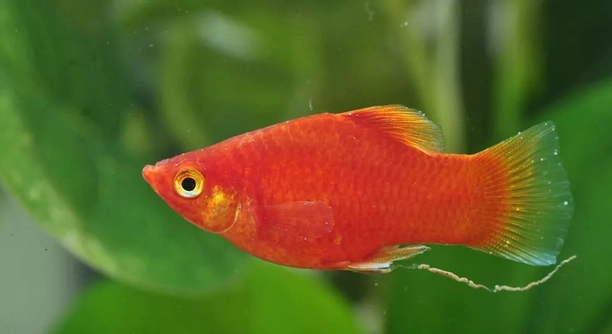
Is your platy spending more time hiding than swimming around like it used to? This change in behavior can seem concerning at first. Understanding what might be causing it can help you respond with the right care.
Shyness in platies is commonly linked to environmental stress, such as poor water conditions, overcrowding, or lack of hiding spots. It may also be triggered by sudden changes in their surroundings or the presence of more dominant tank mates.
Recognizing these possible causes can help you create a more comfortable and secure space for your platy to thrive.
Lack of Hiding Spots
Platies need places where they can feel safe. Without plants, rocks, or decorations in their tank, they may become shy or withdrawn. These hiding areas help reduce stress by giving your fish a place to rest or escape from activity. Constant exposure without cover can make them feel unsafe, especially in a community tank. Decorations also break the line of sight, reducing aggression from other fish. By adding more structures to their tank, you’re giving your platy the chance to feel secure. It’s a small change that can make a big difference in their behavior and confidence.
If your tank looks bare, adding live plants or even artificial ones can offer comfort quickly.
Once I added some tall plants and caves to my platy’s tank, I noticed changes almost immediately. The fish that used to hide all day started swimming out more, especially during feeding time. It’s clear that small environmental changes can help bring out their natural behaviors. You don’t need to redesign your whole setup—just focus on adding a few well-placed items. Aim for a mix of open space and covered spots so your fish can choose when to rest and when to explore. The right layout helps your platy feel safer and act more naturally.
Stress From Tank Mates
Aggressive or fast-swimming tank mates can intimidate a platy and cause it to hide more than usual.
Platies are peaceful fish, so they can become shy if housed with fish that nip or chase. Even if there’s no visible injury, the stress caused by frequent disturbances may lead your platy to stay hidden most of the time. Fish like barbs or cichlids, which are more assertive, can overwhelm a gentle species like the platy. Sometimes the stress doesn’t come from aggression but from constant movement. Overactive tank mates can exhaust or scare slower fish.
When setting up a community tank, it’s important to choose compatible fish. If your platy starts hiding, observe which species are bothering it. Rehoming or rearranging tank groups may be necessary. Adding visual barriers like plants can also help separate the space and allow your platy to escape when needed. With the right tank companions, your fish will feel more at ease and become more active over time.
Poor Water Quality
When water conditions aren’t right, platies often respond by hiding. Ammonia spikes, low oxygen levels, or incorrect pH can make them feel stressed or unwell, leading to shy or withdrawn behavior instead of their usual activity.
Even if your tank looks clean, water quality can still be off. Regular testing is important to keep ammonia, nitrite, and nitrate at safe levels. A sudden shift in temperature or a drop in oxygen can also make your platy act differently. They may become less social, lose color, or stay in one spot. If you haven’t checked your water in a while, it’s worth doing immediately. Clean water with stable parameters gives your fish the comfort they need to feel secure and active. Adding a gentle air stone or improving filtration can also make a noticeable difference.
Once I started testing my water weekly, I caught a pH drop I wouldn’t have noticed otherwise. My platy had been hiding more and eating less. After adjusting the pH and doing a partial water change, its behavior returned to normal. These changes don’t take long, but they have a big effect. Staying on top of water quality is one of the easiest ways to support a calm and social platy.
Sudden Environmental Changes
Platies are sensitive to changes in their surroundings. A sudden tank relocation, lighting change, or introduction of new decorations can make them nervous and less active for several days.
Even moving the tank to a busier part of the house can affect their comfort. Platies rely on routine and a stable environment to feel safe. If your platy started hiding after a recent change, give it time and keep conditions steady. Avoid rearranging the tank too often, and if you do need to make changes, try to do them gradually. Bright lighting without shade can also make a shy fish retreat to darker corners. Adding floating plants or dimming the lights slightly may help. In time, your platy should return to its normal behavior once it feels secure in the updated space. Stability helps them relax and behave more confidently.
Inadequate Lighting
Too much light can overwhelm a platy, causing it to hide more often. Bright, direct lighting without any shade can make the tank feel exposed and stressful for your fish.
Try using dimmer lighting or adding floating plants to soften the brightness. Shaded areas help your platy feel more secure.
Illness or Discomfort
When a platy isn’t feeling well, it often hides to avoid stress or conserve energy. Watch for other signs like clamped fins, dull color, or a lack of appetite. These subtle changes can point to common health issues such as parasites, bacterial infections, or swim bladder problems. Water quality issues can also contribute to illness. Quarantining a sick fish and treating with proper medication may help recovery. If the behavior continues, consulting a vet who specializes in fish health might be necessary. Early signs can be easy to miss, so paying attention to small behavior shifts really does make a difference in catching problems early.
Temperature Fluctuations
Platies prefer stable temperatures between 72–78°F. Sudden drops or spikes outside this range can make them stressed and cause hiding behavior. Use a reliable heater and thermometer to maintain consistency.
FAQ
Why is my platy hiding all the time?
Platies hide when they feel stressed or unsafe. Common reasons include poor water quality, aggressive tank mates, lack of hiding spots, or sudden changes in their environment. Illness or improper lighting can also cause them to withdraw. Checking water parameters and observing tank conditions helps identify the cause.
How can I make my platy less shy?
Provide plenty of plants and decorations for hiding spots. Keep the water clean and stable, and avoid overcrowding the tank. Choose peaceful tank mates, and maintain consistent lighting and temperature. Gradual changes in the tank will also help your platy adjust without stress.
Is it normal for platies to be shy sometimes?
Yes, platies can be shy, especially when introduced to a new tank or after changes. They need time to feel comfortable. Shyness may decrease as they get used to their surroundings and tank mates. Patience is important during this adjustment period.
Can platy shyness indicate illness?
Shyness alone is not always a sign of illness, but if it is accompanied by other symptoms like loss of appetite, color fading, or unusual swimming, illness could be a factor. Monitor your fish closely and test water quality regularly. Early treatment improves chances of recovery.
Should I separate a shy platy from other fish?
Separating your platy might help if tank mates are aggressive or bullying. Use a quarantine tank or create barriers in the main tank with plants or decorations. However, many platies do better in community tanks when the environment is peaceful and well-maintained.
How often should I test my tank water to keep platies comfortable?
Testing water weekly is a good practice, especially for ammonia, nitrite, nitrate, and pH levels. Consistent water checks help prevent problems before they stress your fish. Regular partial water changes also keep the environment healthy.
Can adding more plants make a shy platy more active?
Yes, adding live or artificial plants gives platies places to hide and feel secure. This can reduce stress and encourage more natural behavior. Plants also improve water quality by absorbing nitrates, which benefits all tank inhabitants.
Will my platy stop hiding if I change the lighting?
Adjusting the lighting can help. Too bright light may cause hiding, while dimmer or filtered light encourages activity. Using floating plants or dimmable lights creates shaded areas that make platies feel safer.
How long does it take for a shy platy to adjust?
Adjustment times vary but usually take a few days to a couple of weeks. Providing stable conditions, hiding spots, and peaceful tank mates speeds up this process. Observing behavior daily helps you know when your fish are comfortable again.
Can temperature changes cause my platy to hide?
Yes, platies prefer stable temperatures between 72–78°F. Sudden drops or spikes can stress them, causing hiding or reduced activity. Using a reliable heater and thermometer helps maintain a steady environment for your fish.
What should I do if my platy is still shy after making changes?
If your platy remains shy despite improving tank conditions, check for illness or parasites. Quarantine and treat if necessary. Sometimes, individual temperament plays a role. Consult an aquatic vet or specialist if unsure about your fish’s health.
Is overcrowding a reason for platy shyness?
Overcrowding increases stress and competition for resources, making platies more likely to hide. Maintain an appropriate number of fish per tank size. Giving each fish enough space reduces stress and improves overall behavior.
Can feeding habits affect a platy’s shyness?
Yes, inconsistent feeding or poor diet may cause stress or illness, leading to hiding. Feed a balanced diet regularly and remove uneaten food to maintain water quality. Well-fed fish tend to be more active and confident.
Do platies get shy in new tanks?
Platies often hide when first introduced to a new tank. The unfamiliar environment and new tank mates can be overwhelming. Providing hiding places and keeping conditions stable helps them adjust faster and feel secure.
Are there specific signs to watch for besides hiding that show platies are stressed?
Other signs include clamped fins, rapid breathing, loss of color, sluggishness, and loss of appetite. If you notice these alongside hiding, check water quality and tank conditions immediately to prevent illness.
Final Thoughts
Understanding why your platy is acting shy can help you create a better environment for your fish. Shyness in platies is often linked to their surroundings and health. Factors such as water quality, tank mates, hiding spots, and changes in their environment all play important roles. When these needs are met, your platy is more likely to feel safe and display natural, active behavior. Paying close attention to these details ensures that your fish lives comfortably and happily in your care.
It is important to regularly monitor your tank’s water conditions. Poor water quality causes stress and can lead to illness, which may result in your platy hiding more than usual. Keeping ammonia, nitrite, and nitrate levels low, along with maintaining stable temperature and pH, creates a safe home. Besides water, the tank setup itself matters. Including plenty of plants and decorations gives your platy places to retreat when it feels threatened. This sense of security reduces stress and encourages more confident swimming and interaction with other fish.
Remember that platies are sensitive creatures who thrive on routine and stability. Sudden changes, like moving the tank or changing lighting quickly, can unsettle them and cause shy behavior. Adjustments should be made slowly to help your fish get used to their environment. If your platy’s shyness continues despite good care, watch for signs of illness and consider consulting an expert. With patience and proper attention, you can help your platy become more comfortable and active, improving both their health and your enjoyment of their company.

Hello,
If you enjoy the content that we create, please consider saying a "Thank You!" by leaving a tip.
Every little bit helps us continue crafting quality advice that supports the health, happiness, and well-being of pets around the world, for pets of all shapes, sizes, and species.
We really appreciate the kindness and support that you show us!