
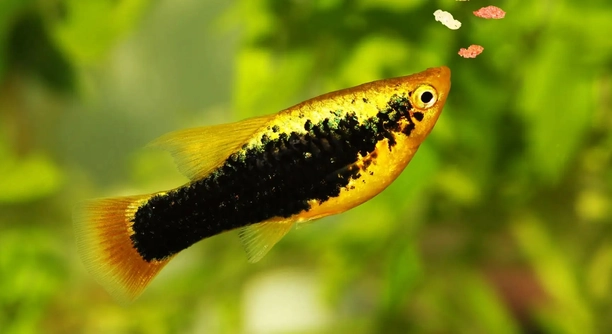
Is your platy acting strange, moving its gills quickly, or hanging around the surface more than usual in your aquarium?
Labored breathing in platies is often caused by poor water quality, low oxygen levels, gill infections, or environmental stress. Recognizing these issues early can help prevent long-term harm and restore your fish’s health.
Learning more about these possible reasons can help you create a safer, more stable environment for your platy to thrive in.
Poor Water Quality
Platies are sensitive to their environment, and dirty water can quickly lead to stress and breathing problems. If the tank hasn’t been cleaned recently or if leftover food is rotting at the bottom, ammonia and nitrite levels can rise. These toxins affect the gills, making it harder for your platy to breathe. Even a sudden spike in nitrates can cause trouble. Regular testing is important, even if the tank looks clean. Small changes like overfeeding or missed water changes can build up over time and cause harm. Keeping a simple cleaning schedule, removing waste, and checking filters can go a long way in maintaining healthy conditions. Don’t forget that a crowded tank also impacts water quality. More fish produce more waste, which makes the tank harder to keep stable. Your platy will feel more relaxed in a cleaner space with stable levels and enough oxygen.
Frequent water changes and basic tank maintenance can quickly lower stress and help your platy breathe more easily.
Use a liquid test kit instead of test strips for better accuracy. Focus on ammonia, nitrite, nitrate, and pH levels. If any are out of range, perform a partial water change. Add a water conditioner when refilling the tank. Clean the filter gently without removing all the beneficial bacteria.
Low Oxygen Levels
When there isn’t enough oxygen in the tank, your platy may start breathing harder. This can happen when water movement is too low or when the water is too warm.
Warm water holds less oxygen, and still water doesn’t allow for proper gas exchange at the surface. You might notice your platy hanging near the top of the tank or near the filter outlet, where oxygen is higher. To increase oxygen, you can add an air stone, raise the filter’s flow, or install a bubbler. Live plants help too, especially during the day. However, at night, plants take in oxygen, which can lower levels in heavily planted tanks. Make sure your tank isn’t overcrowded, as too many fish will compete for oxygen. Keep an eye on your heater’s setting—lowering the temperature a degree or two might make a difference. Oxygen levels often drop in older or overstocked tanks, so regular maintenance and proper stocking are key.
Gill Infections
Gill infections can make it hard for your platy to breathe, leading to rapid gill movement or gasping. These infections may come from parasites, bacteria, or poor tank conditions, especially when the water is dirty or the fish is stressed.
Parasites like gill flukes attach to the gills and irritate the tissue, which blocks oxygen flow and causes discomfort. Bacterial infections often follow when the gills are already damaged or weakened. If you notice swollen or discolored gills, it could be a sign of infection. Medications like antiparasitic or antibacterial treatments can help, but they must be used carefully. Always check water quality before treatment, since poor conditions can reduce effectiveness. Quarantine the sick platy if possible to prevent spreading the infection. Early treatment gives the best chance for recovery and helps avoid long-term breathing problems or further stress to the fish.
Treatment should begin with confirming the problem. Observe other symptoms like clamped fins, rubbing against surfaces, or visible spots on the body. Use a magnifying glass if needed to check the gills closely. Improving water quality is the first step. After that, choose a treatment based on whether the issue is parasitic or bacterial. Follow dosage instructions and continue monitoring behavior closely.
High Stress Levels
Stress makes your platy breathe faster and act nervously. It can come from sudden changes in water temperature, poor lighting, aggressive tank mates, or loud vibrations near the tank. A stressed fish is more likely to get sick and have trouble recovering.
If the tank is too bright or too dark, your platy may feel exposed. Sudden movement or tapping on the glass can also increase stress levels. It’s important to provide hiding spaces, like plants or decorations, so your fish feels safe. Avoid placing the tank near a loud speaker or busy hallway. Aggression from other fish is a common stress trigger—watch for signs like fin-nipping or chasing. Consider separating aggressive tank mates or rearranging decorations to break line of sight. Try to keep the tank temperature stable and avoid sudden water changes. Even minor changes can have a big impact on a small fish like a platy.
Ammonia Poisoning
Even a small amount of ammonia in the water can harm your platy’s gills and make it hard to breathe. Ammonia builds up from waste, uneaten food, and a cycling tank that hasn’t fully matured.
If your platy is gasping and staying near the surface, test for ammonia right away.
Temperature Fluctuations
Temperature changes can shock your platy’s system and lead to labored breathing. Heaters that aren’t working right or sudden water changes can cause the temperature to swing too fast. Use a thermometer daily and keep the tank temperature steady between 74°F and 78°F for best results.
Chemical Irritants
Household sprays, soaps, or unconditioned tap water can introduce harmful chemicals to your tank. These can irritate your platy’s gills, leading to heavy breathing. Always wash your hands before tank maintenance and use water conditioner every time you add fresh water.
Why is my platy breathing hard even though the water looks clean?
Sometimes, water can look clear but still have harmful chemicals like ammonia or nitrites that cause breathing problems. These toxins are invisible to the eye but very dangerous to fish. Overfeeding or skipping water changes can lead to this buildup. It’s important to test the water regularly using a proper test kit, not just by looking. Even small amounts of waste can affect your platy’s gills. Make sure the filter is working well and not clogged. A clean tank also means balanced water parameters, like pH and hardness, which affect fish health.
Can overfeeding cause my platy to breathe hard?
Yes, overfeeding is a common cause of poor water quality and breathing issues. Uneaten food decomposes and produces ammonia, which irritates the gills. Feeding your platy small amounts once or twice a day is enough. Remove leftover food after a few minutes to prevent waste buildup. Overfeeding also stresses fish by polluting the water and encouraging algae growth. Keeping a feeding routine helps avoid these problems and keeps your platy’s environment healthier.
How can I improve oxygen levels in my tank quickly?
Adding an air stone or increasing water movement helps oxygen dissolve in the water faster. You can also lower the temperature slightly, since cooler water holds more oxygen. Ensure your filter creates some surface agitation, which helps gas exchange. Live plants produce oxygen during the day but remember they consume oxygen at night, so balance is key. Avoid overcrowding your tank to reduce oxygen competition between fish. Regular maintenance will also keep oxygen levels stable.
What are signs of gill infections besides heavy breathing?
Look for clamped fins, redness, swelling, or pale gills. Your platy might scratch itself against decorations or the tank wall. You may notice less activity, loss of appetite, or unusual swimming patterns. Gill infections can cause mucus buildup, which may look like a film over the gills. Quick action is important to stop the infection from worsening or spreading to other fish.
Is it normal for platies to breathe harder after feeding?
A little faster breathing after eating can happen, but it should not last long. If the heavy breathing continues or your platy shows signs of distress, it could be a water quality or health problem. Sometimes, food particles clog the gills or cause irritation. Make sure the food is high quality and appropriate for your platy’s size. Feeding smaller amounts and cleaning the tank regularly helps prevent problems.
Can temperature affect my platy’s breathing even if it’s within the normal range?
Yes, sudden changes within the normal range can still stress your platy. Fish prefer stable temperatures. Moving from 75°F to 78°F quickly, for example, can cause stress and labored breathing. Use a heater with a thermostat and check the temperature daily to avoid fluctuations. Keeping the tank away from direct sunlight or cold drafts also helps maintain stability.
How often should I test my aquarium water?
Testing once a week is a good routine for most home aquariums. If you’re dealing with sick fish or a new tank, test more frequently, even daily. Testing helps you catch problems early before they harm your platy. Always test for ammonia, nitrite, nitrate, and pH. Keep a log of your results to notice any trends or changes over time.
When should I isolate my platy if it is breathing hard?
Isolate your platy if you notice signs of infection, severe stress, or if other fish are bothering it. A separate quarantine tank prevents disease from spreading and lets you treat the sick fish properly. Make sure the quarantine tank has clean, well-oxygenated water and similar conditions to the main tank. Monitor the platy’s breathing and behavior closely during treatment.
Are there safe medications to use for gill infections?
There are medications designed specifically for bacterial and parasitic gill infections. Always follow the instructions carefully and avoid overdosing. Some treatments can harm beneficial bacteria or sensitive fish. It’s best to improve water quality first, then use medication if needed. Consult a vet or aquarium expert if you’re unsure which medicine to use.
How can I reduce stress in my platy to help with breathing problems?
Provide hiding spots like plants or decorations. Keep tank mates peaceful and avoid overcrowding. Maintain steady water temperature and lighting. Avoid tapping on the glass or placing the tank in noisy areas. Regular feeding at consistent times also helps reduce stress. A calm environment improves breathing and overall health.
Understanding why your platy may be breathing hard is important to keeping it healthy and comfortable in your aquarium. Many factors can cause this behavior, from water quality issues to infections or stress. Paying attention to your platy’s breathing and other signs can help you catch problems early. Regular maintenance, testing water, and keeping the tank stable will go a long way toward preventing most issues. By creating a good environment, you help your platy live a longer, happier life.
It’s easy to overlook small changes in your platy’s behavior, but labored breathing should never be ignored. Poor water quality is often the root cause, so testing and treating the water is the first step. Sometimes, breathing problems can come from infections or parasites, which need quick treatment to avoid serious harm. Stress also plays a big role, so making sure your fish feels safe and comfortable is key. Simple actions like controlling temperature, avoiding overcrowding, and providing hiding places can reduce stress and help your platy breathe normally again.
Remember that every aquarium is different, and what works for one setup might need adjusting in another. Consistency and patience are important when caring for platies. Keep learning about their needs and watch for changes in their behavior. Don’t hesitate to reach out to aquarium experts if you are unsure about treatment or tank conditions. Taking small, steady steps will help you maintain a healthy environment where your platy can thrive and breathe easy.

Hello,
If you enjoy the content that we create, please consider saying a "Thank You!" by leaving a tip.
Every little bit helps us continue crafting quality advice that supports the health, happiness, and well-being of pets around the world, for pets of all shapes, sizes, and species.
We really appreciate the kindness and support that you show us!