
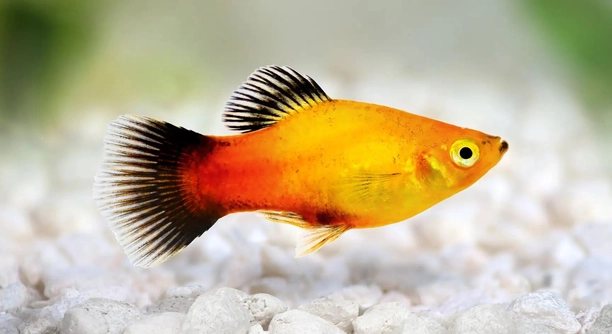
Are your platies swimming with a curved spine, making you worry about their health? Many fish owners notice this issue and want to understand what causes it. Knowing the reasons can help you care for your platy better.
A curved spine in platies is commonly caused by genetic defects, poor water quality, nutritional imbalances, infections, injuries, overcrowding, or improper tank conditions. Each factor can contribute to spine deformities, affecting the fish’s overall wellbeing and movement.
Understanding these causes will help you identify the problem and improve your platy’s environment for a healthier life.
Genetic Defects and Spine Curvature
Some platies are born with genetic defects that cause their spine to curve. This can happen if their parents carry genes linked to deformities. These defects may not show right away but develop as the fish grows. Unfortunately, genetic spine problems are usually permanent and can affect the fish’s ability to swim normally. Breeders who do not carefully select healthy fish increase the chance of passing these traits to offspring. It’s important to buy platies from reputable sources that focus on good genetics. While you can’t fix genetic issues once they appear, providing a clean and stress-free environment can help your platy live comfortably despite the deformity. Avoid breeding fish that show signs of spinal problems to reduce the chance of this issue in future generations.
Genetic spine curvature is a lifelong condition that usually cannot be reversed but can be managed with proper care.
Knowing the genetic background of your platy can prevent this problem. When buying fish, look for healthy, active individuals without visible deformities. Avoid breeding platies that show signs of spine curvature. Maintaining good water quality and a balanced diet won’t fix genetics but supports overall health. In some cases, gentle swimming areas with fewer strong currents help fish cope better. If your platy has a curved spine, it’s best to focus on making its tank environment comfortable and safe to avoid further injury.
Poor Water Quality Effects
Water quality directly impacts your platy’s health and spine condition. Dirty or toxic water can weaken bones and muscles, leading to spine problems. Ammonia, nitrite, and nitrate levels that are too high cause stress and damage to fish tissues over time. Poor water can also invite infections that affect the spine. It’s essential to test your tank water regularly and perform water changes when needed. Using a good filter and avoiding overcrowding helps keep water clean. Clean water supports your platy’s immune system and promotes healthy growth. Even if your fish has a genetic tendency toward spinal curvature, poor water quality can make it worse. Keeping the water balanced is one of the easiest and most important steps to protect your platy’s spine and overall health.
Regular water testing and maintenance prevent spine damage caused by poor water conditions.
Water quality plays a major role in preventing spine curvature. Fish kept in tanks with toxic water often develop deformities due to weakened bones and infections. Ammonia and nitrite are especially harmful even at low levels. These chemicals irritate the skin and gills, causing stress that affects the whole body. Nitrates, although less toxic, build up and disrupt fish health if not controlled. Changing 20-30% of the water weekly helps maintain safe levels. Using water conditioners removes chlorine and chloramines, protecting fish from chemical burns. Good filtration circulates water and removes waste, reducing harmful substances. Avoid overcrowding your tank since too many fish increase waste faster than the filter can handle. Clean water encourages strong bones and muscles, reducing the chance of spinal problems. This care is essential for all platies, especially those already prone to spine issues.
Nutritional Imbalances
A poor diet can lead to spine curvature in platies. Lack of essential vitamins and minerals weakens their bones and muscles, causing deformities.
Platies need a balanced diet rich in calcium, vitamin D, and other nutrients for strong bones. Feeding only flakes or a single food type can cause deficiencies. Including live or frozen foods, like brine shrimp or bloodworms, helps provide necessary nutrients. Overfeeding or underfeeding also harms their development. Proper nutrition supports healthy growth and prevents bone weakening that leads to a curved spine.
Supplementing their diet with quality foods and occasional vegetables helps maintain good health. Avoid cheap, low-quality foods that lack essential nutrients, as this can increase the risk of spine issues.
Infections and Diseases
Infections caused by bacteria or parasites can damage a platy’s spine. These infections often start from poor tank hygiene or injuries.
Common infections weaken the fish’s immune system and cause inflammation, which may affect bones and tissues around the spine. Untreated infections can lead to deformities or worsen existing ones. Using medication early and keeping the tank clean helps prevent these problems. Quarantining new fish before adding them to the tank reduces the risk of spreading diseases.
Maintaining a clean tank and monitoring fish for signs of illness are essential to protect your platy’s spine. Prompt treatment of infections can prevent permanent damage and support recovery.
Injuries and Physical Trauma
Platies can develop a curved spine from injuries caused by rough handling or aggressive tank mates. Sudden impacts or fights can damage their backbone.
Even minor injuries may lead to lasting spinal deformities if not treated or if the fish continues to experience stress.
Overcrowding Stress
Too many fish in one tank create stress and competition for resources. Overcrowding increases the chance of fights, injuries, and weakened immune systems. Stress from overcrowding can slow healing and make spine problems worse.
Improper Tank Conditions
Incorrect tank size, poor decoration choices, or strong currents can affect platies’ ability to swim properly. Strong water flow forces fish to swim harder, which may strain their spine and muscles. Providing a calm environment with enough space supports healthy movement and reduces the risk of spinal issues.
Lack of Proper Rest
Platies need areas in the tank where they can rest safely. Without quiet, sheltered spaces, constant swimming can tire them out and worsen spinal conditions.
What causes a platy’s spine to curve?
A platy’s spine can curve due to many reasons. Genetic defects are common, meaning the fish is born with a weak or misshapen backbone. Poor water quality and infections also play a big role. Nutritional problems like lack of calcium and vitamins weaken bones. Injuries from tank mates or rough objects can cause trauma that leads to curvature. Overcrowding stresses the fish and slows healing. Finally, strong water currents or improper tank setups make swimming difficult, which can strain the spine over time.
Is a curved spine in platies always a sign of poor health?
Not always, but often it indicates underlying issues. Some platies live with a curved spine without immediate danger, especially if the deformity is genetic and not caused by infection or injury. However, it can affect their swimming ability and stress levels. If the fish struggles to eat, swim, or appears lethargic, the curved spine might be a symptom of a more serious problem. Regular observation and water tests help decide if medical treatment or changes are needed.
Can a curved spine be fixed or reversed?
Unfortunately, most spine curvatures cannot be fully fixed once they develop, especially if they are caused by genetics or injuries. Treatment focuses on preventing further damage and improving the fish’s quality of life. Good water conditions, a balanced diet, and a calm tank environment reduce stress and support healing. Infections should be treated promptly to stop progression. Sometimes, mild curvature improves slightly if caused by temporary factors like infections or poor nutrition.
How can I prevent my platy from developing a curved spine?
Start by buying healthy fish from reputable breeders to avoid genetic problems. Keep the tank clean with regular water changes and use a reliable filter. Test water quality often and maintain safe levels of ammonia, nitrite, and nitrate. Feed a balanced diet that includes flakes, live, and frozen foods to supply essential nutrients. Avoid overcrowding the tank to reduce stress and fighting. Also, create a gentle current and provide hiding spots so your platy can rest and swim easily without strain.
Does tank size affect spine health in platies?
Yes, tank size matters. Small or overcrowded tanks increase stress and limit swimming space, which can lead to physical problems like spine curvature. Platies need enough room to swim freely and avoid injury from bumping into decorations or other fish. A tank of at least 10 gallons per few platies is recommended. Larger tanks with gentle water flow help keep your fish active without straining their bodies.
Can poor diet cause a curved spine in platies?
Definitely. A diet lacking calcium, vitamin D, and other nutrients can weaken bones and muscles. Feeding only flakes or a single food type often leads to deficiencies. Including live or frozen foods like brine shrimp or bloodworms improves nutrition. Avoid overfeeding or underfeeding, as both harm growth. A poor diet over time increases the risk of deformities and makes it harder for fish to recover from illness or injury.
What signs should I watch for if my platy has a curved spine?
Look for changes in swimming behavior, like difficulty maintaining balance or swimming sideways. Notice if your platy struggles to eat or hides more than usual. Check for lethargy or rapid breathing, which could indicate stress or infection. Also, inspect the spine closely for any swelling, redness, or open wounds. Early detection helps prevent worsening conditions through proper care and treatment.
Are curved spines painful for platies?
It’s hard to know exactly how much pain fish feel, but a curved spine can cause discomfort, especially if it limits movement or leads to infections. Injuries or infections that cause the curvature are likely painful. Stress and difficulty swimming also reduce quality of life. Providing a safe, clean environment and treating infections quickly helps ease any discomfort your platy might experience.
Should I separate a platy with a curved spine from other fish?
Separating isn’t always necessary but can be helpful in some cases. If your platy is being bullied or injured by tank mates, a separate quarantine or hospital tank may be best for healing. Isolation reduces stress and prevents infections from spreading. However, platies are social fish, so keeping them with peaceful companions in a well-maintained tank is usually better for their mental health once they are stable.
Can spine curvature affect the lifespan of a platy?
Yes, it can. Severe curvature may reduce mobility and increase vulnerability to infections and injuries. Chronic stress from difficulty swimming or competing for food can weaken the immune system. With proper care, many platies with mild spine curvature live normal lifespans. Those with serious deformities might have shorter lives if their health is compromised. Consistent tank maintenance and attention to nutrition improve chances of a longer, healthier life.
When you notice your platy has a curved spine, it’s important to understand that several factors can cause this condition. Genetics, water quality, diet, injuries, and tank environment all play a role in spine health. Some causes are easier to manage than others, but being aware of these factors helps you provide better care for your fish. While you may not be able to fix a curved spine completely, creating a clean, calm, and well-balanced environment supports your platy’s overall wellbeing.
Keeping your tank water clean and stable is one of the most important steps you can take. Regular testing and water changes prevent harmful chemicals from building up, which can weaken your fish’s bones and immune system. Feeding your platy a varied and nutritious diet also makes a big difference. A mix of flakes, live, and frozen foods ensures they get enough vitamins and minerals to grow strong. Avoiding overcrowding and stressful tank conditions helps prevent injuries and infections that may worsen spine problems.
Ultimately, the goal is to help your platy live as comfortably as possible despite any spine issues. Paying attention to their behavior and physical condition allows you to act quickly if problems arise. Gentle swimming areas, proper rest spots, and a healthy tank community improve their quality of life. With patience and proper care, platies with curved spines can still enjoy a peaceful and happy existence. Taking these steps shows your commitment to your fish’s health and happiness over the long term.

Hello,
If you enjoy the content that we create, please consider saying a "Thank You!" by leaving a tip.
Every little bit helps us continue crafting quality advice that supports the health, happiness, and well-being of pets around the world, for pets of all shapes, sizes, and species.
We really appreciate the kindness and support that you show us!