
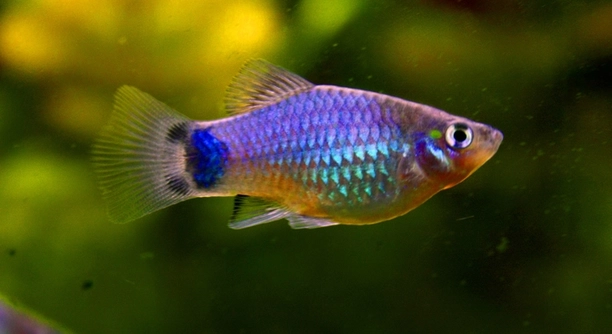
Are your platies acting strangely or behaving differently than usual? Many fish owners notice odd behavior in their platies without knowing why it happens. Understanding the causes can help keep these colorful fish happy and healthy.
Platies may act weird due to changes in water quality, stress, illness, poor diet, overcrowding, or environmental changes. Identifying these factors is key to addressing their behavior and maintaining a stable aquatic environment.
Knowing the common reasons behind your platies’ unusual actions will help you care for them better and create a comfortable home for your fish.
Water Quality Changes
Water quality is one of the most important factors affecting your platies’ behavior. When the water becomes dirty or the parameters like pH, ammonia, nitrites, or nitrates shift suddenly, platies can become stressed or act oddly. They might hide more, swim erratically, or lose their appetite. These fish need clean, stable water to feel secure and healthy. Regular water testing and changes help keep the environment safe. If you notice any unusual behavior, checking the water should be your first step. Avoid letting waste build up by cleaning the tank and using a good filtration system. Small changes in water can cause big changes in fish behavior, so consistency is key.
Keeping your water clean means your platies will be more active and show natural behaviors.
When you maintain steady water conditions, platies remain comfortable and less prone to stress-related behaviors. Proper filtration, regular partial water changes, and monitoring water chemistry prevent problems and promote healthy fish activity.
Stress and Overcrowding
Platies can become stressed if their tank is too crowded or if they face aggressive tank mates. Stress causes them to behave unusually, such as hiding, darting, or refusing food. Stress weakens their immune system, increasing the chance of illness. Keeping the tank population balanced helps reduce stress and keeps your platies happy. Make sure they have enough space and places to hide. Avoid mixing them with aggressive species. If you see signs of stress, it’s important to act quickly.
Stress can lead to sickness and even death if left unmanaged.
A crowded tank limits swimming space and increases competition for food and oxygen. Platies need enough room to swim freely and escape when they feel threatened. Adding plants or decorations creates hiding spots that reduce tension. Carefully selecting peaceful tank mates avoids fights. If overcrowding is an issue, moving some fish to another tank improves everyone’s well-being. Managing stress through tank setup and population control is essential for healthy platies.
Illness and Disease
Platies may behave strangely when they are sick. Common illnesses include ich, fin rot, and parasites. Signs often include clamped fins, spots, or lethargy.
Illness weakens platies and changes how they move or eat. Poor water quality or stress can cause diseases to develop quickly. Early detection is important to prevent serious harm. Quarantining new fish helps avoid spreading infections. Treatments like medication or salt baths can help, but it’s best to act fast. Regular tank maintenance reduces the chance of illness.
If your platies show unusual swimming patterns, loss of color, or loss of appetite, it is likely related to health issues. Keeping the tank clean and stable supports their immune system and helps recovery. Consulting a vet or aquatic specialist can guide proper treatment.
Poor Diet and Nutrition
A poor diet can cause platies to behave oddly or become weak. Feeding only flakes or too little variety can affect their health. Platies need a balanced diet with protein, veggies, and vitamins.
Uneaten food pollutes the water, affecting your fish’s environment. Overfeeding can lead to obesity and poor water conditions, both harmful to behavior and health. Offering quality flakes, frozen or live food, and plant matter ensures your platies get what they need. Monitoring feeding amounts and frequency prevents issues. A good diet improves energy, coloration, and reduces strange behaviors related to hunger or illness.
Changing diet habits can improve your platies’ overall activity and mood. Mixing foods keeps them interested and supports their natural eating behaviors. A proper diet is a foundation for a healthy and happy aquarium.
Environmental Changes
Sudden changes in temperature or lighting can unsettle platies. These fish prefer stable conditions to stay calm and healthy.
Moving the tank or rearranging decorations can also stress platies. Keeping their environment steady helps prevent odd behaviors and promotes comfort.
Poor Water Circulation
Water circulation affects oxygen levels and waste removal. Poor flow can cause low oxygen, making platies lethargic or gasping at the surface. Proper filtration and gentle water movement keep oxygen levels steady and waste from building up, supporting healthy behavior in your fish.
Aggressive Tank Mates
Some fish may bully or chase platies, causing them stress. Aggression leads to hiding, fin damage, and unusual swimming patterns. Choosing peaceful tank mates is essential for harmony in the aquarium and for platies to behave naturally.
FAQ
Why are my platies hiding all the time?
Platies hide when they feel stressed, scared, or unwell. Common reasons include poor water quality, aggressive tank mates, or sudden changes in their environment. Make sure the tank water is clean, the temperature is stable, and there are plenty of plants or decorations for hiding spots. Check if other fish are bothering them, and consider rearranging the tank to create more comfortable spaces.
How can I tell if my platies are sick?
Look for signs like clamped fins, white spots, slow movement, or loss of appetite. Changes in color or unusual swimming patterns also point to illness. Early detection helps prevent serious problems. Test your water regularly and maintain a clean tank. If you see these signs, treat your fish with appropriate medication or consult an expert.
What is the best diet for platies?
Platies need a balanced diet including flakes, frozen or live foods, and plant matter. Avoid feeding only one type of food. Variety supports their health and keeps them active. Feed small amounts twice a day and remove any leftover food to prevent water pollution.
Can temperature affect my platies’ behavior?
Yes, platies prefer water between 72°F and 78°F (22°C to 26°C). Temperatures outside this range can stress them and cause odd behavior. Use a reliable heater and thermometer to keep the temperature steady.
Why are my platies chasing each other?
Platies sometimes chase as part of mating or social behavior, but aggressive chasing can signal overcrowding or stress. If chasing becomes too rough, consider reducing tank population or adding more hiding places.
How often should I change the water in my platy tank?
Change about 20-25% of the water weekly. Regular partial water changes keep toxins low and water fresh. Avoid large water changes that shock your fish. Always treat tap water with a conditioner before adding it.
Can poor water circulation harm platies?
Yes, poor circulation lowers oxygen levels and causes waste buildup, which can make platies lethargic and stressed. Make sure your filter works well and creates gentle water movement without strong currents.
What tank size is best for platies?
A 10-gallon tank is the minimum for a small group of platies. Bigger tanks provide better stability, more swimming space, and reduce stress. Overcrowding leads to aggression and health problems.
How do I reduce stress for my platies?
Keep the environment stable with clean water, proper temperature, and peaceful tank mates. Provide hiding spots using plants or decorations. Avoid sudden changes and handle fish gently during maintenance.
Is it normal for platies to act differently at night?
Platies are less active at night but should still swim calmly. If they freeze or hide more than usual, it might indicate stress or illness. Ensure the tank lighting follows a natural day-night cycle to keep their behavior balanced.
Final Thoughts
Understanding why your platies act weird is important to keeping them healthy and happy. Many times, strange behavior is a sign that something in their environment needs attention. Water quality, stress, illness, diet, and tank conditions all play a role in how platies behave. Paying close attention to these factors helps you catch problems early and provide the best care possible. Fish are sensitive creatures, and even small changes in their tank can affect their mood and health. Taking time to regularly check on your platies’ living conditions will make a big difference.
Maintaining a stable and clean environment is one of the best ways to prevent weird behavior in platies. Regular water testing, partial water changes, and proper filtration keep the water safe and comfortable for your fish. Avoid overcrowding the tank and choose peaceful tank mates to reduce stress. Providing a balanced diet and enough hiding places also supports their well-being. When platies have everything they need, they are more likely to swim actively, eat well, and display natural behaviors. These small efforts help your fish live longer and more comfortably.
If your platies start acting strangely, don’t ignore the signs. Take a moment to check water parameters, look for illness, and observe tank conditions. Quick action can prevent bigger problems down the line. If you’re unsure about what to do, seeking advice from experienced fish keepers or professionals can be very helpful. Remember, caring for platies requires patience and attention, but it can be very rewarding. Healthy, happy platies bring life and color to your aquarium and make the effort worthwhile.

Hello,
If you enjoy the content that we create, please consider saying a "Thank You!" by leaving a tip.
Every little bit helps us continue crafting quality advice that supports the health, happiness, and well-being of pets around the world, for pets of all shapes, sizes, and species.
We really appreciate the kindness and support that you show us!