
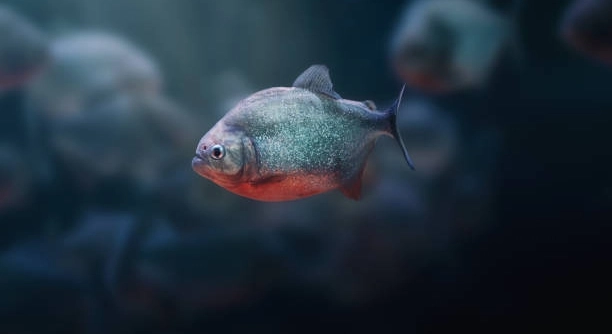
Many piranha owners notice their fish rarely stay in one spot. This can be surprising, especially if you expect them to settle calmly in their tank. Understanding why they move helps improve their care and environment.
Piranhas won’t stay in one spot mainly due to factors like tank size, water quality, stress, lack of hiding places, temperature fluctuations, feeding habits, and social dynamics. These elements influence their behavior and comfort within the aquarium.
Knowing these reasons can help you create a better space for your piranha and ensure it feels safe and healthy in its home.
Tank Size and Space
Piranhas need enough room to swim comfortably. When their tank is too small, they feel cramped and restless. A crowded environment makes them move constantly, searching for space or trying to avoid other fish. Ideally, a piranha tank should be at least 20 gallons for one fish, with more space added for additional piranhas. Small tanks also cause water quality problems, which can increase their activity and stress. Giving your piranha a spacious tank helps it feel secure and calm.
A larger tank reduces territorial disputes and lets your piranha settle in one spot more easily.
Providing sufficient space is the first step in calming your piranha’s movement. It allows natural behavior without constant searching or stress. When the tank is big enough, your piranha can choose a favorite resting spot and feel less pressured by its environment. This change often results in a much calmer fish.
Water Quality and Temperature
Poor water quality makes piranhas uncomfortable and restless. High ammonia or nitrite levels irritate their gills, causing constant movement. Temperature changes also affect their behavior. Piranhas prefer stable temperatures around 75-80°F. Sudden drops or rises make them uneasy, prompting them to swim around more. Regular water testing and maintaining steady heat improve their comfort and help them stay put.
Keeping the water clean and temperature stable is crucial for your piranha’s calmness.
Water quality problems often stem from infrequent cleaning or overcrowding. Dirty water lowers oxygen levels and introduces harmful toxins, leading to stress. Piranhas respond by moving actively to find better spots, but in a closed tank, they cannot escape the discomfort. Using a good filtration system and doing weekly partial water changes can keep their environment safe and healthy. Also, using a reliable heater keeps the temperature steady, which is vital for their well-being. When conditions are right, your piranha will be less anxious and more likely to rest in one place.
Stress and Social Behavior
Piranhas can get stressed when they feel threatened or uncomfortable. Stress causes them to swim nervously and not stay in one place. They also react to other fish nearby, which can make them restless.
Stress often comes from overcrowding or aggressive tank mates. Piranhas are territorial and need enough space to avoid constant fights. If housed with incompatible fish, they will move constantly to escape. Even their own species can cause stress if the group is too large or poorly arranged. Monitoring their social environment helps reduce stress. Providing hiding spots lets them feel safer and more relaxed.
When stress is managed, piranhas spend more time resting. They become less aggressive and more predictable in their behavior. This creates a calmer tank where they are easier to observe and enjoy.
Feeding Habits
Feeding routines affect how much your piranha moves. If they are hungry or fed irregularly, they become more active looking for food. Regular, balanced feeding helps keep them settled.
Piranhas need a diet rich in protein, such as fish, shrimp, or specially formulated pellets. Overfeeding or underfeeding disrupts their normal behavior. Overfed piranhas may become lazy, while hungry ones stay active, searching for food. Feeding the right amount at consistent times encourages a calm fish that rests after eating. Using feeding tools like feeding rings can also keep them focused in one area.
Feeding habits directly influence your piranha’s movement. Sticking to a steady routine helps your fish feel secure and less prone to wandering the tank.
Lack of Hiding Spots
Piranhas need places to hide and feel safe. Without enough hiding spots, they stay on the move looking for shelter. This makes them restless and unsettled.
Adding plants, rocks, or decorations creates secure areas. These spots help your piranha relax and stay put.
Lighting Conditions
Bright or constant lighting can stress piranhas. They prefer dimmer environments similar to their natural habitat. Harsh light makes them swim around more, trying to avoid exposure.
Using adjustable or soft lighting helps mimic their comfort zone. This encourages them to stay in one place and reduces stress.
Water Flow and Filtration
Strong currents from filters or pumps can keep piranhas swimming constantly. They usually prefer calm water with gentle movement.
Adjusting water flow to a lower setting or using flow deflectors can reduce unnecessary swimming. A balanced flow keeps water clean without stressing your piranha.
FAQ
Why does my piranha keep swimming around the tank?
Piranhas often swim around when they feel stressed, uncomfortable, or bored. This behavior can result from poor water quality, too small a tank, or a lack of hiding places. They also swim more if they feel threatened by tank mates or sudden changes in their environment. Ensuring stable water conditions, enough space, and places to hide usually helps reduce constant movement. Regular feeding and maintaining a calm environment make your piranha feel more secure, encouraging it to rest in one spot.
Can piranhas get stressed from too much light?
Yes, piranhas prefer dimmer lighting similar to their natural river habitats. Bright or constant lighting can make them anxious and cause them to move more. Using adjustable or softer lights helps keep your piranha calm. A timer for lights can also create a natural day-night cycle, which benefits their overall well-being and encourages calmer behavior.
How often should I clean my piranha’s tank?
Cleaning should be done regularly to keep water quality high. Partial water changes of about 20-30% once a week are recommended. This helps remove waste, excess food, and toxins that stress your piranha. Avoid full tank cleanings too often, as this can disturb beneficial bacteria. A good filter also helps maintain cleanliness and reduces the need for frequent water changes.
Do piranhas need hiding spots?
Absolutely. Hiding spots like plants, rocks, or decorations give piranhas a safe place to rest and feel secure. Without them, piranhas may swim continuously, searching for shelter. These spots reduce stress and encourage your fish to stay calm and settle down in one area of the tank.
Is tank size really that important for piranhas?
Yes, tank size plays a major role in their behavior. Piranhas need enough space to swim freely and establish territories. A tank that’s too small makes them feel cramped and stressed, causing them to move constantly. For one piranha, at least 20 gallons is recommended, with more space needed for groups. A bigger tank means better water quality and less aggressive behavior.
Can feeding habits affect how much my piranha moves?
Feeding routines strongly affect activity levels. Hungry piranhas become restless, searching for food often. Overfeeding can cause lethargy, but irregular feeding usually leads to constant movement. A balanced diet with regular feeding times helps them stay calm and predictable. Using feeding rings or targeted feeding spots also helps keep your piranha in one place during mealtime.
How does water temperature impact piranha behavior?
Piranhas prefer stable temperatures between 75-80°F. Sudden temperature changes cause stress, making them swim more to adjust. Too cold or too warm water can also affect their metabolism and mood. Using a reliable heater and monitoring the temperature helps maintain a comfortable environment and reduces restless swimming.
Will piranhas be calmer if kept alone?
Piranhas are social but territorial fish. Keeping one alone can reduce aggression, but they might also become bored and swim around more. Small groups with proper space and hiding spots tend to have better social balance. It’s important to monitor their interactions and tank size to keep stress low and behavior calm.
What role does filtration play in piranha movement?
Filters keep water clean but can create currents that affect swimming. Strong water flow may cause piranhas to swim constantly against it, tiring them out. Adjusting filter flow to a gentle level or using flow deflectors helps create calmer water. Proper filtration combined with low flow encourages your piranha to settle in one spot comfortably.
How can I tell if my piranha is stressed?
Signs of stress include constant swimming, hiding too much, loss of appetite, or aggressive behavior. Cloudy eyes and pale coloration may also indicate poor health linked to stress. Checking water quality, tank conditions, and social setup helps identify and fix problems. Addressing these quickly improves your piranha’s comfort and encourages more relaxed behavior.
Taking care of a piranha involves understanding its behavior and environment. When your piranha doesn’t stay in one spot, it is usually a sign that something in its tank isn’t quite right. Many factors can make a piranha move around more than usual. These include tank size, water quality, temperature, lighting, hiding spots, and feeding habits. Making small adjustments in these areas can help your piranha feel more comfortable and calm. It is important to provide a space that meets the natural needs of this fish so it can settle and behave normally.
A spacious tank is one of the most important things for your piranha’s well-being. When the tank is too small, the fish may feel cramped and stressed, which causes it to swim around constantly. Proper filtration and regular water changes are also necessary to keep the water clean and safe. This keeps harmful substances away that could make your piranha restless or sick. Keeping the water temperature steady within the recommended range is another key point. Sudden changes in temperature can make your piranha uneasy and more active than usual. Together, these factors create a stable environment where your piranha can feel safe.
Finally, paying attention to your piranha’s social needs and feeding routine helps reduce unwanted movement. Piranhas are territorial, so having enough space and hiding spots lets them relax without feeling threatened. Feeding your fish on a regular schedule with a balanced diet also keeps them calm and healthy. Watching your piranha’s behavior regularly can give you clues about its comfort and health. When the right conditions are met, you will likely see your piranha resting calmly in one place, which means it feels secure and well cared for.

Hello,
If you enjoy the content that we create, please consider saying a "Thank You!" by leaving a tip.
Every little bit helps us continue crafting quality advice that supports the health, happiness, and well-being of pets around the world, for pets of all shapes, sizes, and species.
We really appreciate the kindness and support that you show us!