
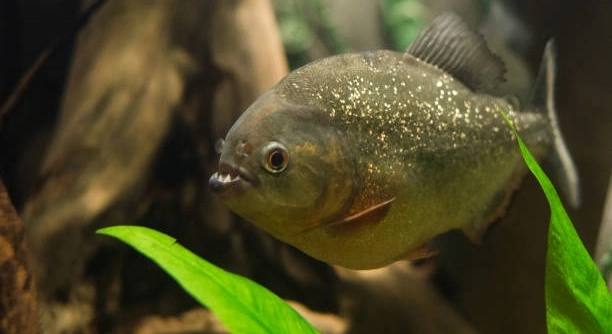
Many piranha owners face challenges when introducing new foods to their fish. Changes in diet can be tricky, and piranhas may sometimes refuse unfamiliar items. Understanding the reasons behind this behavior can help improve their feeding experience.
Piranhas might reject new food due to stress, illness, water quality issues, dietary preferences, sudden changes, improper food size, or unappealing flavors. These factors can affect their appetite and willingness to accept unfamiliar food sources.
Knowing these common causes will help you adjust your care routine and ensure your piranha stays healthy and well-fed with a varied diet.
Stress and Environment Changes
Piranhas are sensitive fish that can become stressed easily when their environment changes. Moving them to a new tank, adding new fish, or even changing decorations can make them uneasy. Stress lowers their appetite and makes them refuse new food. Temperature changes and poor water quality also add to their discomfort. If the water is dirty or has wrong pH levels, piranhas may stop eating. Keeping their tank stable and clean helps reduce stress and encourages them to try new foods. Gradual changes are better than sudden ones, allowing your fish to adapt without feeling overwhelmed. Observing your piranha’s behavior closely can help you spot stress signs early. Sometimes, just giving them time to settle can improve their feeding habits. Regular tank maintenance and a calm environment are key to keeping your piranha healthy and willing to eat.
Stress affects piranha appetite by making them wary and less interested in unfamiliar food. Stability helps.
Creating a peaceful, stable habitat is essential. Avoid sudden tank changes and maintain clean, balanced water. Introduce new foods slowly to help your piranha adjust without feeling threatened. Providing hiding spots can reduce anxiety and encourage better eating habits. This approach leads to a happier, healthier fish.
Illness and Health Problems
When a piranha refuses new food, illness could be the reason. Fish that feel sick often lose their appetite. Common health issues like parasites, infections, or injuries make eating difficult or painful. If your piranha is hiding, swimming oddly, or showing discoloration, these might be signs of health problems. Treating the illness should be your priority before forcing new foods. Sometimes piranhas only eat what they know when they feel unwell, so familiar foods can help them maintain strength. Monitoring their behavior and consulting a vet if needed ensures they get the right care. A healthy fish is more open to trying different foods, which helps maintain a balanced diet.
Illness often reduces appetite and causes food refusal in piranhas.
Early detection of health issues is crucial. Look for changes in swimming patterns, lethargy, or physical signs like spots or wounds. Quarantine new fish before adding them to your tank to prevent disease spread. Maintaining water quality lowers the chance of sickness. A balanced diet rich in nutrients strengthens your piranha’s immune system, reducing illness risks. If your fish stops eating, act quickly to diagnose and treat potential problems. Keeping your piranha healthy will make it more willing to accept new foods and thrive.
Dietary Preferences and Habits
Piranhas can be picky eaters, often preferring certain foods over others. Their natural diet includes meat and fish, so they may reject unfamiliar or plant-based items. Understanding their preferences helps in offering the right type of food.
Some piranhas grow used to a specific diet and refuse anything different. This can happen if they are fed the same food regularly, making them less willing to try new items. Variety is important but should be introduced slowly. Offering live or frozen foods that mimic their natural prey often encourages acceptance. Gradually mixing new foods with their favorite ones can make the transition easier. Over time, your piranha may become more open to different types of food, improving their nutrition and overall health.
If your piranha rejects new food, consider its texture and flavor. Rough or unfamiliar textures might be off-putting. Adjusting the presentation or type of food may help. Also, feeding at consistent times builds routine and comfort, which encourages eating.
Sudden Changes in Feeding Routine
Sudden changes in feeding schedule or food type can confuse piranhas, causing them to refuse new food. Consistency matters to help them feel secure.
Abruptly switching the food or feeding times disrupts their habit. Piranhas rely on routine and may become stressed or suspicious when things change too fast. Gradual adjustments are more effective. Slowly replace part of their regular food with the new item over several days or weeks. This gives the fish time to adapt without losing appetite. Also, feeding at the same times daily keeps them ready to eat and reduces stress. Patience is key, as forcing new food too quickly may backfire and cause prolonged refusal.
Keeping a steady feeding routine helps maintain their appetite and willingness to accept new food. Observe your piranha’s reaction and adjust changes at a comfortable pace. This approach supports a healthy, balanced diet and less feeding frustration for both of you.
Improper Food Size
Food that is too large or too small can make piranhas refuse to eat. They need pieces that match their mouth size to feel comfortable feeding.
If food is too big, they might struggle to bite or swallow it. Too small, and it may not seem worth the effort. Cutting food into manageable sizes helps encourage eating.
Unappealing Flavors or Smells
Piranhas rely heavily on smell and taste to decide if food is acceptable. Unfamiliar or off-putting flavors can cause refusal. Using fresh, natural foods with a scent similar to their usual diet can increase acceptance.
Avoid stale or overly processed foods, as these may deter your piranha. Offering foods with familiar odors helps them recognize the meal as safe and appetizing.
Water Quality Issues
Poor water conditions affect a piranha’s appetite. High ammonia, nitrite levels, or incorrect pH can stress fish and cause food refusal. Regular testing and maintenance are essential to keep the tank healthy and the fish eating well.
FAQ
Why is my piranha not eating any food at all?
A piranha refusing all food could be stressed, sick, or living in poor water conditions. Check water parameters like temperature, pH, ammonia, and nitrites. Illness often causes loss of appetite, so look for signs such as lethargy, abnormal swimming, or physical changes. Improving tank conditions and consulting a vet or fish specialist may be necessary. Also, sudden changes in environment or feeding routine can make your piranha stop eating temporarily.
How long can a piranha go without eating before it becomes dangerous?
Piranhas can survive a week or two without food, but longer fasting weakens their immune system and causes health problems. If your fish refuses food for more than three days, it’s important to find the cause quickly. Prolonged fasting can lead to muscle loss and make recovery harder once feeding resumes. Early intervention ensures better health outcomes.
Can feeding too often cause my piranha to refuse new food?
Yes, overfeeding may cause a piranha to lose interest in trying new foods. If your fish is full or has leftover food in the tank, it may refuse anything unfamiliar. Stick to feeding small portions once or twice a day. This encourages hunger and acceptance of different foods. Cleaning leftover food promptly also keeps water quality good.
Is it okay to feed only live food to my piranha?
Live food is very appealing to piranhas and can boost their appetite, but relying solely on it isn’t ideal. Live food can carry parasites or bacteria if not sourced carefully. A balanced diet should include frozen, fresh, and prepared foods to provide all necessary nutrients. Mixing food types helps maintain health and prevents picky eating habits.
How should I introduce new food to a picky piranha?
Start by mixing a small amount of new food with their regular diet. Gradually increase the new food portion over several days or weeks. This slow introduction helps reduce stress and curiosity about the new item. Also, offering food at regular times builds routine, making piranhas more comfortable trying something different.
Can water temperature affect my piranha’s appetite?
Yes, temperature plays a big role in fish metabolism and hunger. If the water is too cold, your piranha’s metabolism slows down, causing less interest in food. Ideal water temperature for piranhas is between 74°F and 82°F (23°C to 28°C). Keeping temperature stable within this range encourages normal feeding behavior.
What are the signs my piranha might be sick?
Signs include loss of appetite, lethargy, hiding more than usual, abnormal swimming patterns, visible wounds or spots, and changes in color. Illness affects their desire to eat new or familiar foods. Early detection and treatment improve chances of recovery, so watch your fish closely and act quickly if symptoms appear.
Should I change my piranha’s food if it keeps refusing new options?
If your piranha consistently rejects a particular new food, try offering different types or forms, such as live, frozen, or finely chopped. Some fish have strong preferences, so patience and experimentation are key. Avoid forcing the fish to eat something it strongly dislikes, as this can increase stress and worsen refusal.
How important is tank cleanliness for my piranha’s eating habits?
Very important. Dirty water stresses fish and reduces appetite. Uneaten food decays and pollutes the water, making fish more likely to refuse new food. Regular tank cleaning, water changes, and filtration maintenance keep the environment healthy and your piranha willing to eat.
Can adding tank mates affect my piranha’s willingness to eat new food?
Yes, introducing new fish can cause stress or competition, leading your piranha to refuse food temporarily. Some tank mates may intimidate or distract your piranha, affecting its feeding routine. Monitor interactions and keep the environment calm to help your fish feel secure and more open to trying new food.
Understanding why your piranha might refuse new food is important for keeping it healthy and happy. Many factors can cause this behavior, including stress, illness, and changes in the environment. Sometimes, your fish just needs time to adjust to new foods or a new feeding routine. Being patient and careful with how you introduce different foods can make a big difference. If your piranha feels safe and comfortable, it is more likely to accept changes in its diet.
Keeping the tank clean and maintaining proper water quality is also key. Poor water conditions can stress your piranha and make it less willing to eat. Regularly checking water temperature, pH, and cleaning out uneaten food will help your fish stay healthy. A stable environment encourages your piranha to eat better and be more active. Watching for signs of illness or unusual behavior can help you act quickly if your fish is not feeling well. This way, you can treat any problems early before they affect its appetite.
Finally, it is important to remember that every piranha is unique. Some may be more cautious with new foods than others. Offering a variety of foods in small amounts, introducing new options slowly, and sticking to a consistent feeding schedule will support a balanced diet. Your piranha’s preferences may change over time, so staying observant and flexible helps you meet its needs. With proper care and attention, you can help your piranha enjoy a healthy diet and a good quality of life.

Hello,
If you enjoy the content that we create, please consider saying a "Thank You!" by leaving a tip.
Every little bit helps us continue crafting quality advice that supports the health, happiness, and well-being of pets around the world, for pets of all shapes, sizes, and species.
We really appreciate the kindness and support that you show us!