
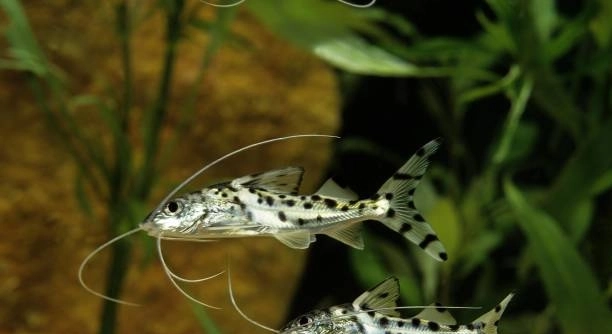
Many fish owners enjoy keeping Pictus catfish for their active nature and unique appearance. However, water changes can sometimes trigger unexpected reactions in these fish. Understanding why your Pictus might panic helps create a calmer environment during tank maintenance.
Pictus catfish may panic during water changes due to sudden shifts in water temperature, changes in water chemistry, strong water flow, disturbances in their environment, insufficient hiding spaces, stress from handling, or poor acclimation practices. Each factor affects their sensitivity differently.
Recognizing these reasons can help improve your water change routine and reduce stress for your Pictus catfish. Learning the causes is key to maintaining a healthy and peaceful aquarium environment.
Sudden Changes in Water Temperature
Pictus catfish are very sensitive to temperature changes. When you perform a water change, even a slight difference between the new water and the tank water can cause them to panic. These fish thrive in stable conditions, usually between 74 and 79 degrees Fahrenheit. If the water you add is colder or warmer, it creates stress, making them dart around or hide excessively. This reaction is natural, as they rely on consistent temperatures to regulate their body functions. To avoid this, always prepare the new water beforehand by matching its temperature closely with the tank water. Using a thermometer during water changes helps keep conditions safe and comfortable for your Pictus. Additionally, sudden temperature shifts can weaken their immune system, increasing the risk of disease. Maintaining stable temperatures during water changes ensures your fish remain calm and healthy over time.
Matching water temperature carefully helps reduce stress and keeps your Pictus calm during changes.
Water temperature is a critical factor in water changes. Even minor fluctuations can cause strong reactions in sensitive species like Pictus catfish. Preparing replacement water in advance and using tools like thermometers prevents temperature shock. This approach creates a safer environment and helps maintain consistent water conditions. Avoid sudden temperature differences by gradually mixing new water with tank water if needed. This practice is essential for preserving your fish’s well-being and encouraging natural behavior. When temperature stability is prioritized, Pictus catfish adapt better and show less panic during water maintenance.
Changes in Water Chemistry
Water chemistry plays a major role in how Pictus catfish respond during water changes. These fish are sensitive to shifts in pH, hardness, and other chemical parameters. If the new water differs significantly from the tank’s established conditions, it can cause immediate stress. For example, a sudden rise or drop in pH may irritate their skin and gills, leading to panic behaviors. This is why many aquarists treat new water before adding it, using conditioners to remove chlorine and chloramine. It’s also important to test the water regularly to keep pH and hardness levels stable. Sudden changes in dissolved minerals or pollutants can harm Pictus and trigger panic. A consistent water chemistry environment supports their health and reduces anxiety during water changes. Preparing water carefully and slowly mixing it into the tank can help maintain these conditions.
Maintaining steady water chemistry is essential to prevent stress during water changes.
Water chemistry includes factors such as pH, alkalinity, and mineral content. Pictus catfish require a balanced environment to thrive. When water changes introduce sudden variations, the fish may panic due to discomfort or irritation. Chlorine and chloramine in tap water are particularly harmful if untreated. Using water conditioners neutralizes these chemicals and prevents harm. Testing kits help monitor water parameters to ensure consistency. Gradual water changes allow fish to acclimate more comfortably to any slight differences in chemistry. Avoiding abrupt shifts in water composition protects your Pictus from stress and health problems. Regular maintenance with careful attention to chemistry creates a stable habitat that supports their well-being. This approach is a key step in minimizing panic during water changes and keeping your catfish calm and healthy.
Strong Water Flow
Pictus catfish dislike strong currents. During water changes, increased water flow from hoses or filters can overwhelm them and cause panic. They prefer calm areas where they can rest without fighting the current.
Strong water flow disrupts their normal behavior. When water is poured in quickly or filters run at high speeds, it creates turbulence that stresses Pictus catfish. They use gentle currents in their natural habitat to find food and hide safely. Sudden strong flows interfere with these instincts, making them feel exposed and vulnerable. If you notice panic during water changes, reducing water pressure or directing flow away from their favorite spots can help. Installing flow deflectors or adjusting equipment settings can create a calmer environment during maintenance.
By controlling water flow carefully during water changes, you support your Pictus’s comfort and reduce stress. Gentle water movement allows them to stay relaxed and maintain natural behaviors.
Insufficient Hiding Spaces
Pictus catfish need hiding places to feel secure. Without enough shelters in the tank, they become stressed when the environment changes. Water changes remove or disturb their usual hiding spots, increasing anxiety.
Hiding spaces provide protection and reduce panic by offering a safe retreat. Rocks, caves, and plants help your Pictus feel less exposed during water changes. When these spots are limited or removed for cleaning, your fish may feel vulnerable and react with frantic movements. To prevent this, ensure your tank has plenty of decorations that mimic their natural habitat. Keep these areas stable during water changes and avoid sudden rearrangements that confuse your catfish. The availability of secure shelters promotes calmness and stability.
Consistent hiding places during water changes reassure your Pictus catfish. Maintaining these refuges supports their well-being and helps them cope with routine tank maintenance.
Stress from Handling
Handling during water changes can frighten Pictus catfish. Moving or netting them disrupts their sense of safety, causing panic and stress.
Frequent or rough handling worsens this reaction. Minimizing direct contact and using gentle techniques reduces fear and helps your fish stay calm during maintenance.
Poor Acclimation Practices
Introducing new water too quickly can shock Pictus catfish. Rapid changes in water parameters without gradual acclimation increase their stress levels significantly. Slowly mixing new water into the tank over time allows fish to adjust safely. This method prevents sudden chemical or temperature changes that may cause panic. Patience during acclimation protects their health and maintains stable behavior. Avoid pouring new water in all at once; instead, add it in small amounts while monitoring fish reactions. Proper acclimation practices improve overall tank harmony and fish welfare.
Disturbances in Environment
Sudden noises or vibrations near the tank during water changes can cause panic in Pictus catfish. They are sensitive to external disturbances and require a calm setting.
Why does my Pictus panic only during water changes?
Pictus catfish are sensitive to sudden environmental changes. Water changes often introduce differences in temperature, water chemistry, and flow. These abrupt shifts can trigger a panic response. The fish rely on stable conditions to feel secure, so when these change quickly, it causes stress. Even small variations are enough to disturb their comfort zone, making them dart around or hide. Proper preparation and gentle water changes can reduce this reaction.
How can I prevent my Pictus from panicking during water changes?
To prevent panic, always prepare replacement water by matching temperature and chemical parameters to the tank water. Add water slowly and avoid creating strong currents. Provide plenty of hiding places where the fish can retreat. Minimize handling, and avoid loud noises near the tank during maintenance. Using a water conditioner to remove harmful chemicals also helps keep the environment stable. Consistency in your routine supports calmer behavior.
Is water temperature the most important factor?
Temperature is one of the most critical factors for Pictus catfish. Sudden changes can cause shock and stress. Maintaining a stable temperature within their preferred range of 74-79°F is essential. Using a reliable thermometer during water changes helps prevent fluctuations that trigger panic.
What water chemistry changes affect Pictus catfish the most?
Changes in pH, hardness, and dissolved minerals can upset Pictus catfish. Tap water often contains chlorine or chloramine, which are harmful if not treated. Sudden shifts in these parameters irritate fish and can cause panic. Regularly testing water and using conditioners maintains stable chemistry, reducing stress during water changes.
How does water flow influence Pictus behavior?
Strong water flow during water changes disrupts the natural environment Pictus prefer. These fish inhabit calmer waters and are not built to swim in strong currents. Fast or turbulent water makes them feel exposed and vulnerable, prompting panic. Controlling flow with deflectors or adjusting equipment settings helps create a gentler environment.
Why do hiding spaces matter so much?
Hiding spaces give Pictus catfish a sense of security. When water changes disturb or remove these shelters, the fish feel exposed and anxious. Natural hiding spots like caves, plants, and rocks allow them to rest and avoid stress. Keeping these areas stable during maintenance helps prevent panic and promotes calm behavior.
Does handling fish during water changes cause panic?
Yes, handling or netting Pictus catfish can increase stress and panic. These fish are sensitive and may react strongly to rough or frequent handling. Minimizing contact and using gentle methods helps reduce fear. Limiting disturbance during maintenance supports a healthier tank environment.
How important is acclimation when adding new water?
Proper acclimation is very important. Adding new water too quickly changes water parameters suddenly, causing stress. Gradually mixing new water over time allows fish to adjust safely to differences in temperature and chemistry. This reduces panic and helps maintain health.
Can external noise or vibrations cause panic?
Yes, sudden noises or vibrations near the tank during water changes can frighten Pictus catfish. They are sensitive to environmental disturbances. Keeping the area quiet and minimizing vibrations during maintenance helps keep them calm.
What should I do if my Pictus continues to panic despite precautions?
If panic persists, review your water change routine for temperature, chemistry, and flow consistency. Increase hiding places and reduce handling. Consider smaller, more frequent water changes to lessen shock. Consulting a professional or experienced aquarist may help identify less obvious causes. Patience and consistent care are key to calming your fish over time.
Water changes are an essential part of maintaining a healthy aquarium for your Pictus catfish. These fish are sensitive to changes in their environment, so understanding why they panic during water changes can help you manage their stress. Factors such as temperature shifts, water chemistry differences, strong currents, and disturbances all contribute to their reaction. By being aware of these causes, you can create a better routine that keeps your fish calm and comfortable.
Preparing replacement water carefully is important. Matching the temperature and chemical balance to the tank water helps avoid sudden shocks. Using conditioners to remove harmful chemicals like chlorine is also necessary. Water flow should be gentle, as strong currents can make your Pictus feel exposed. Providing plenty of hiding places and minimizing handling further reduces stress. Small changes in your maintenance habits can make a big difference in how your fish react during water changes.
Consistency is key when caring for Pictus catfish. They thrive in stable conditions and are less likely to panic if their environment remains predictable. Gradual water changes done regularly can prevent large fluctuations that cause anxiety. Keeping noise and vibrations near the tank low during maintenance also helps. Over time, your fish will become more comfortable with water changes as long as these steps are followed. Taking the time to understand and meet their needs supports their health and happiness in your aquarium.

Hello,
If you enjoy the content that we create, please consider saying a "Thank You!" by leaving a tip.
Every little bit helps us continue crafting quality advice that supports the health, happiness, and well-being of pets around the world, for pets of all shapes, sizes, and species.
We really appreciate the kindness and support that you show us!